Description
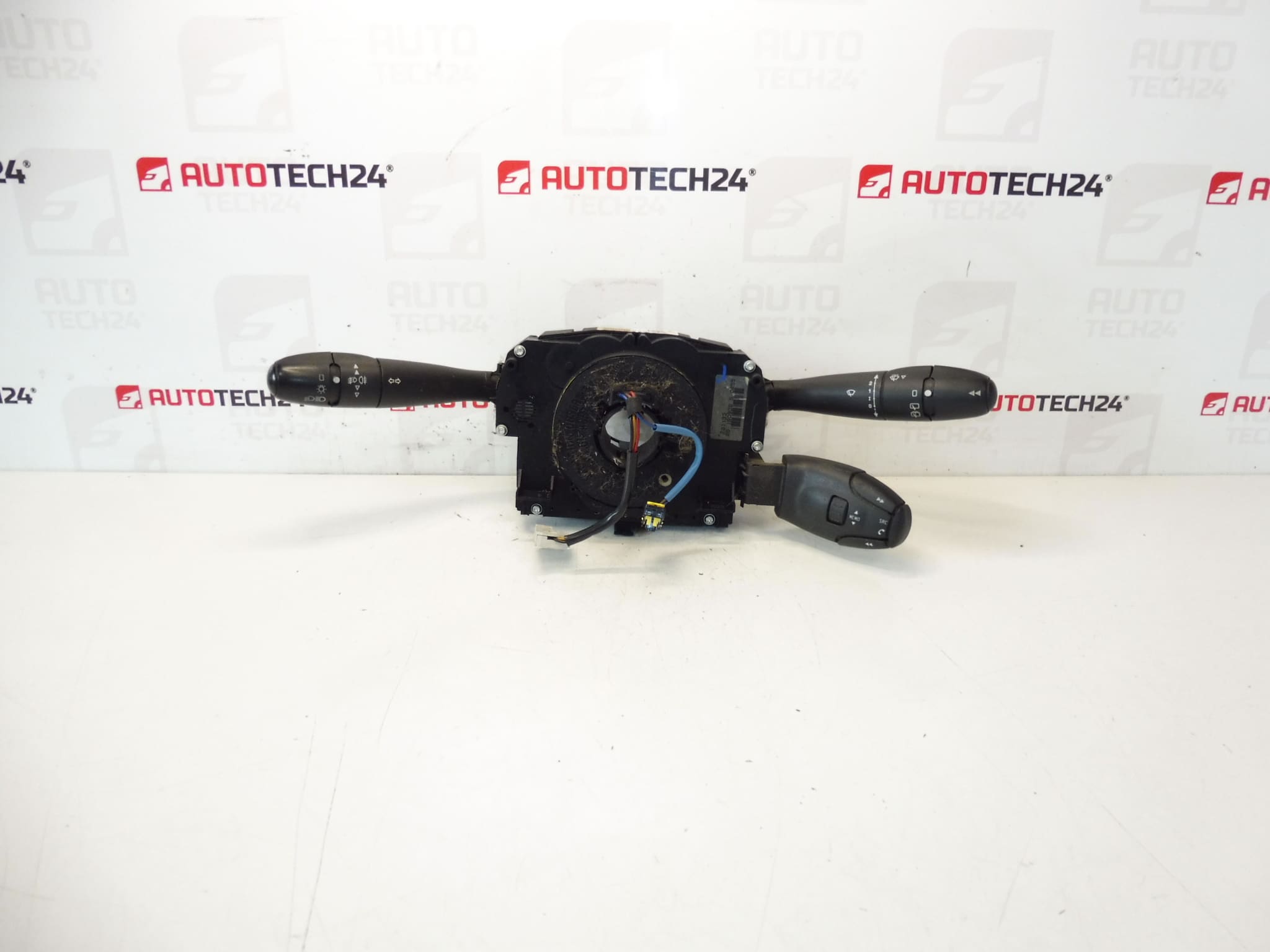
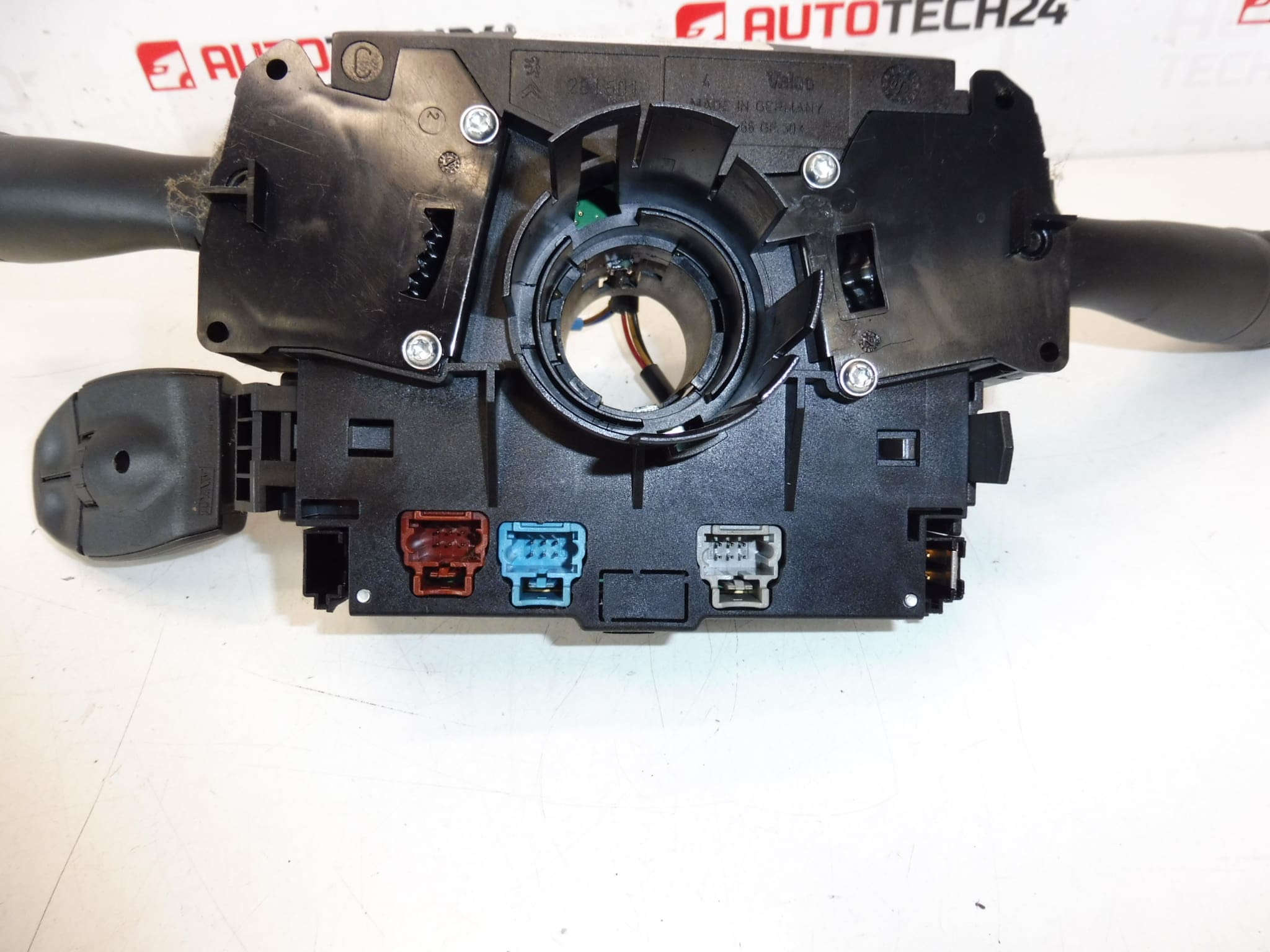
Steering column stalks, multifunction control block COM2005 VALEO for PEUGEOT 207 vehicles. Controls ESP, lights, fog lights, front and rear wipers, horn.
This multifunction steering column stalk assembly (COM2005) is a direct-fit electrical control unit used on the Peugeot 207. Designed for professional workshops and experienced DIY mechanics, this unit consolidates multiple driver controls into a single compact module—improving reliability and simplifying steering column wiring. Clear OEM product codes make it easy to locate the correct replacement part and speed up repairs.
Features
Multifunction design combining stalk switches for lights, indicators, fog lamps, front and rear wipers, horn and ESP-related inputs. Robust electrical connectors and integrated microswitches provide factory-equivalent functionality. Ideal for restoring lost or intermittent control functions without extensive rewiring.
Technical Information
- Manufacturer: Valeo (OEM Supplier for Peugeot/Stellantis)
- Model: Peugeot 207
- Product Codes: 96661299XT, 6242YN, COM2005
- Other Numbers: NFP (as referenced)
Compatibility
Fits Peugeot 207 models equipped with the COM2005 multifunction steering column block. Suitable for both standard and common equipment variants of the 207 series where the listed product codes match.
How It Works And Function
The assembly translates mechanical stalk movements into electrical signals for multiple vehicle systems: lighting (low/high beam, turn signals), fog lights, wipers (intermittent, low/high, rear), horn and inputs related to ESP. It replaces individual switches and provides centralized switching logic at the steering column interface.
Typical Failure Modes And Why It Goes Bad
Common causes of failure include worn microswitch contacts, mechanical wear of the stalk mechanisms, contamination or corrosion of electrical contacts, and damage to internal ribbon cables or connectors. Symptoms are intermittent or non-functional indicators, stuck wipers, loss of horn or lighting functions, and sporadic ESP warnings. Environmental exposure and repeated mechanical use accelerate wear.
Replacement Frequency
There Is No Fixed Interval For Replacement. Lifespan Depends On Usage And Environmental Conditions. Replace The Unit When You Observe Persistent Electrical Or Mechanical Faults That Affect Safety Or Control Functions.
Installation
Before starting, ensure the vehicle is secured and on a flat surface. Recommended general steps for a skilled technician or experienced DIY mechanic:
- Disconnect The Battery To Prevent Short Circuits And Airbag Deployment.
- Remove Steering Column Trim Panels To Access The Stalk Assembly.
- Unplug Electrical Connectors And Note Their Positions; Release Any Retaining Clips Or Screws.
- Remove The Faulty Stalk Assembly And Install The Replacement, Ensuring Correct Orientation.
- Reconnect Connectors, Reassemble Trim, Reconnect The Battery And Test All Functions Thoroughly (Indicators, Lights, Wipers, Horn, ESP Inputs).
Installation Recommendations
Use Proper Torques For Fasteners And Avoid Pulling On Wiring Harnesses. Inspect Connectors For Corrosion And Clean Or Replace If Necessary. When Replacing The Unit, Verify That Connector Pins Are Straight And Fully Seated. If Intermittent Electrical Faults Persist, Check Wiring To The Steering Column And Ground Points.
Notes For Professionals
This Module Is An Electrical/Mechanical Assembly—Handle With Care To Avoid Damaging Internal Switches. When Diagnosing, Use A Multimeter To Verify Continuity And Signal Presence At The Module Connectors Before Full Replacement. Keep The Steering Wheel Centered When Removing Components To Avoid Clock Spring Damage.
Why Choose This Part
Direct-fit part numbers and OEM-style construction make this COM2005 Valeo unit a practical repair choice for restoring full steering column functionality on affected Peugeot 207 vehicles. Clear product codes speed up identification and reduce downtime in the workshop.