Description
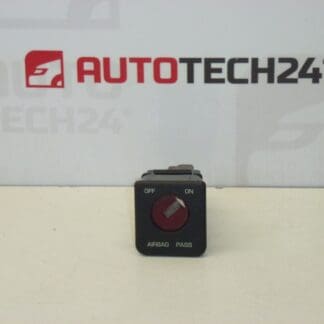
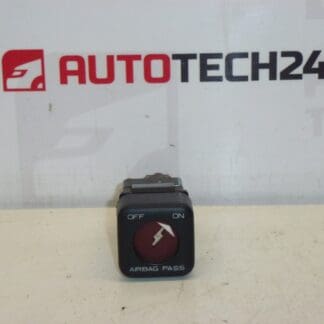
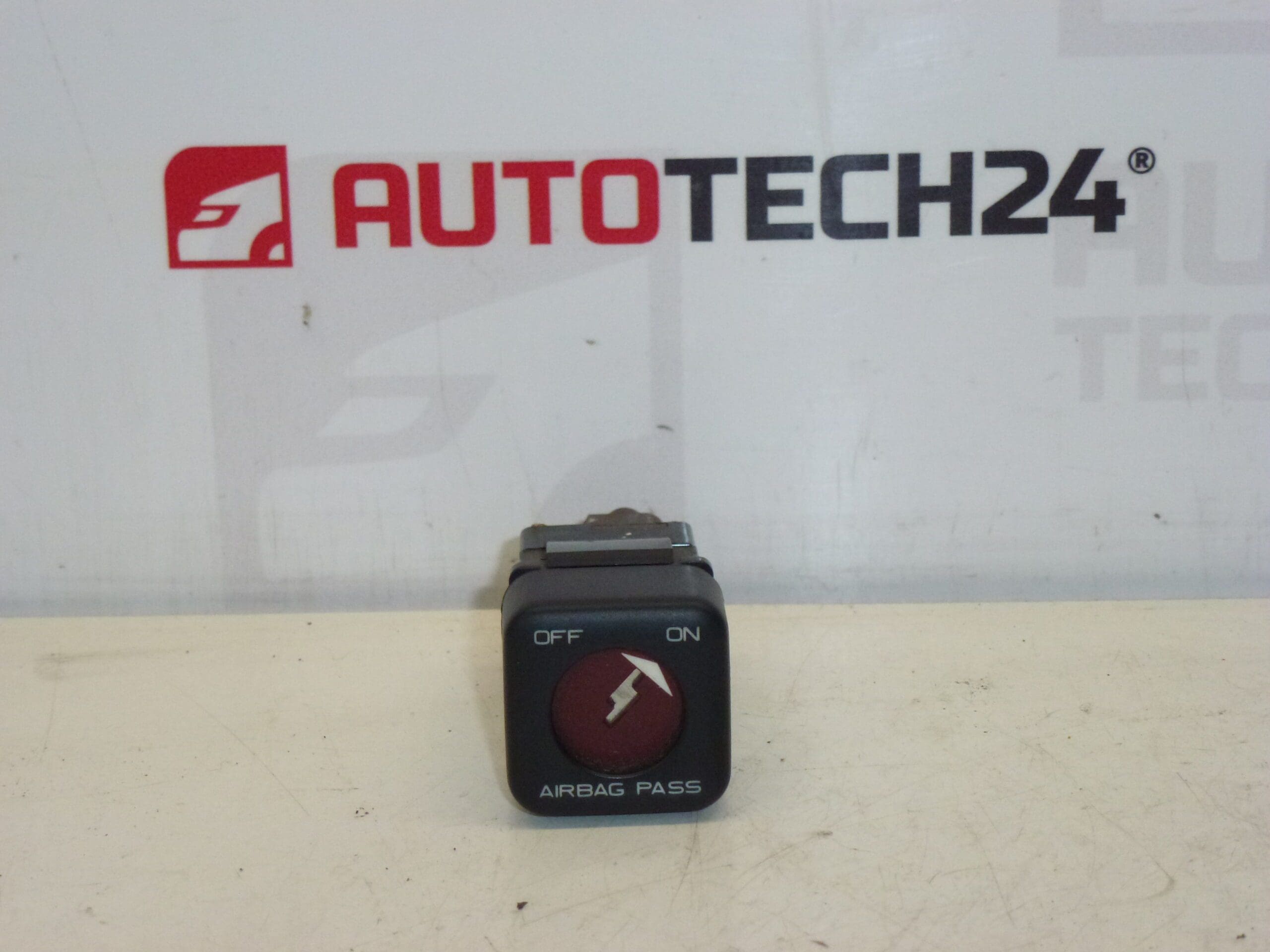
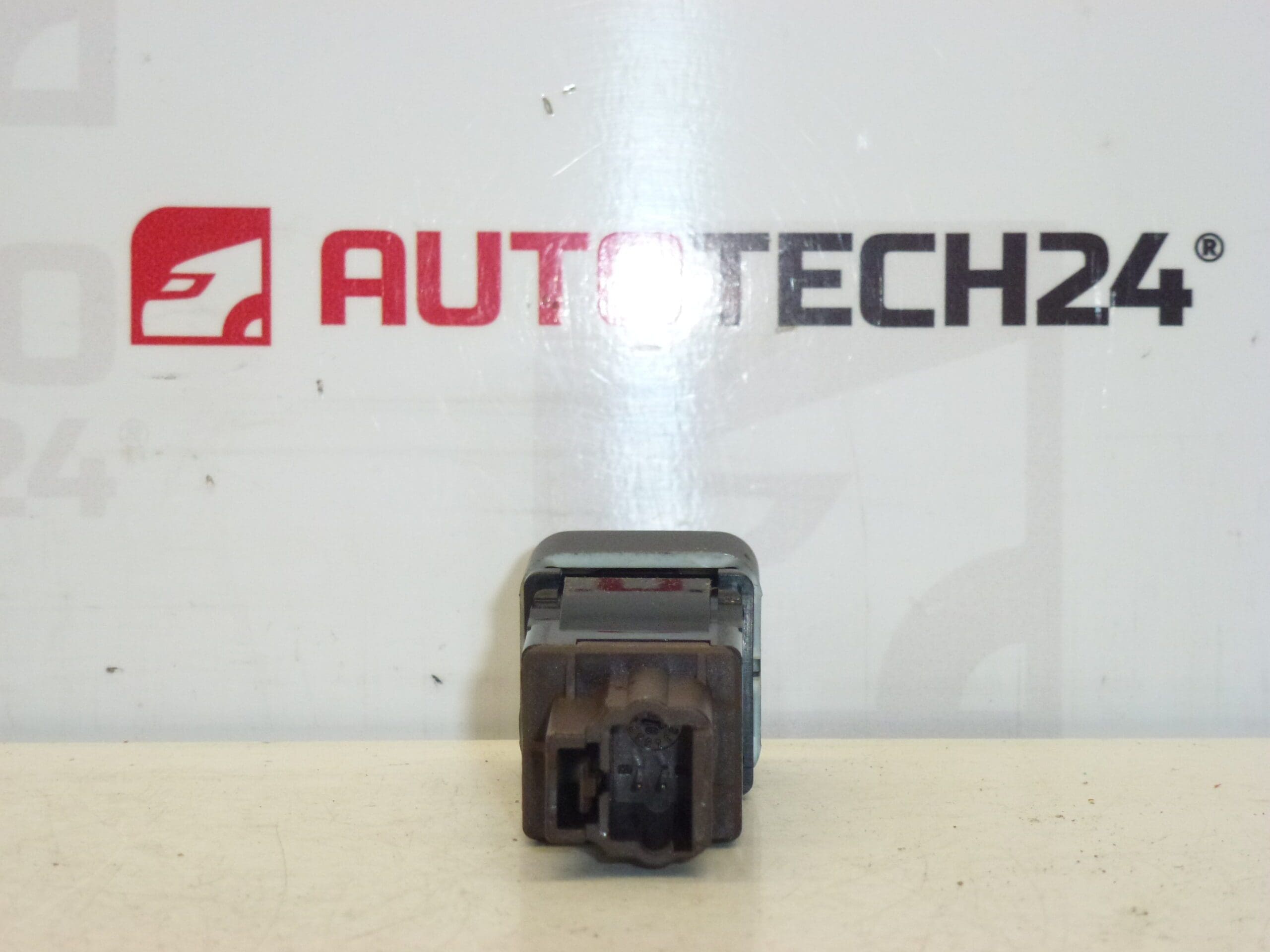
Passenger Airbag Switch – Passenger Side for Peugeot 206 and 206+
Description
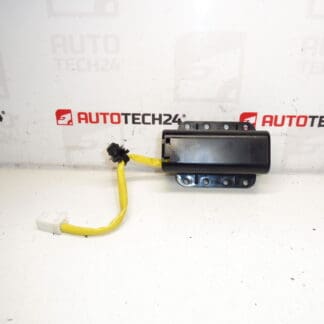
The Passenger Airbag Switch for the passenger side is a direct-fit component intended for Peugeot 206 and 206+. Supplied under reference numbers 96404548XT, 96404548ZD, 96404548ZL and 8216S3, this switch allows controlled deactivation of the front passenger airbag where required (for example when using a rear-facing child seat). Engineered for easy replacement, it is suitable for professional workshops and experienced DIY mechanics working on Citroën/Peugeot vehicles.
Technical Information
- Manufacturer: Stellantis (Citroën / Peugeot)
- Model(s): Peugeot 206, Peugeot 206+
- Product Codes: 96404548XT, 96404548ZD, 96404548ZL, 8216S3
- Additional Numbers: 8216.S3, 8216S3
Function
The passenger airbag switch permits manual deactivation of the passenger frontal airbag. This function is primarily used to prevent airbag deployment when a rear-facing child seat is installed in the front passenger position or when the seat is occupied by a person for whom airbag deployment would pose a greater risk. The switch operates an electrical circuit within the vehicle’s airbag system and informs the airbag control unit of the selected state.
Fitment And Replacement
Replacement is straightforward for technicians and competent DIYers familiar with vehicle interior trim removal. Typical replacement procedure:
- Safety First: Disconnect the negative battery terminal and wait a few minutes to allow SRS capacitors to discharge.
- Remove Trim: Carefully remove the relevant dash or glove-box trim panel to access the switch (consult vehicle manual for trim removal points).
- Disconnect: Unplug the electrical connector from the old switch and release any retaining clips or screws.
- Install: Fit the new switch in the mounting location, secure fasteners and reconnect the electrical plug.
- Verification: Reconnect the battery, cycle ignition and verify the airbag indicator behavior. Use a diagnostic tool to read or clear any SRS fault codes if necessary.
Why The Part Commonly Fails
Common failure causes include mechanical wear of the key/rotor mechanism from frequent use, corrosion or poor contact in the electrical connector, plastic degradation or cracking due to age and heat, and physical damage from improper handling during previous repairs. Failure symptoms typically include inability to switch the airbag state, intermittent contact, or an SRS warning light on the dashboard.
Installation Recommendations
- Always disconnect the battery before starting work and follow the vehicle manufacturer’s removal and installation procedures to avoid accidental airbag deployment.
- Inspect connectors and wiring for corrosion or damage; clean contacts and replace wiring if necessary to prevent intermittent faults.
- After installation, confirm proper operation by checking the airbag indicator and reading SRS data with an appropriate diagnostic scanner. If an SRS fault remains, diagnose and clear codes according to established repair procedures.
- If You Are Unsure: Seek a qualified technician. Work on airbag systems involves safety-critical components and requires care.