Description
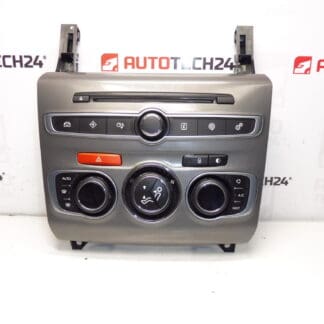
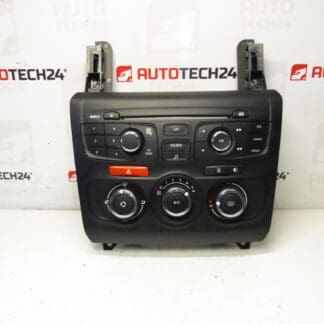
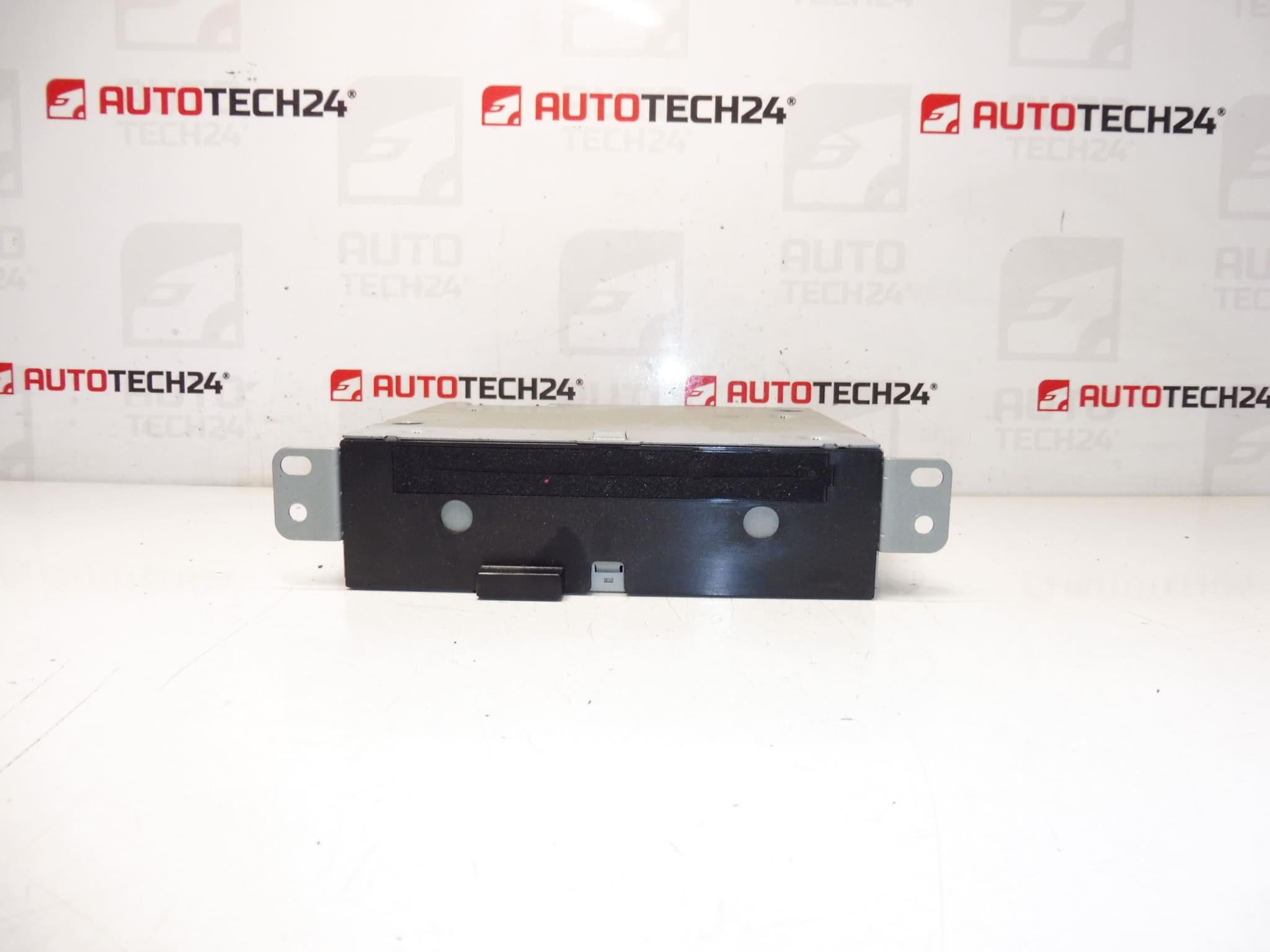
CD Car Radio For Citroën Vehicles Citroën C4 B7. Tested – working.
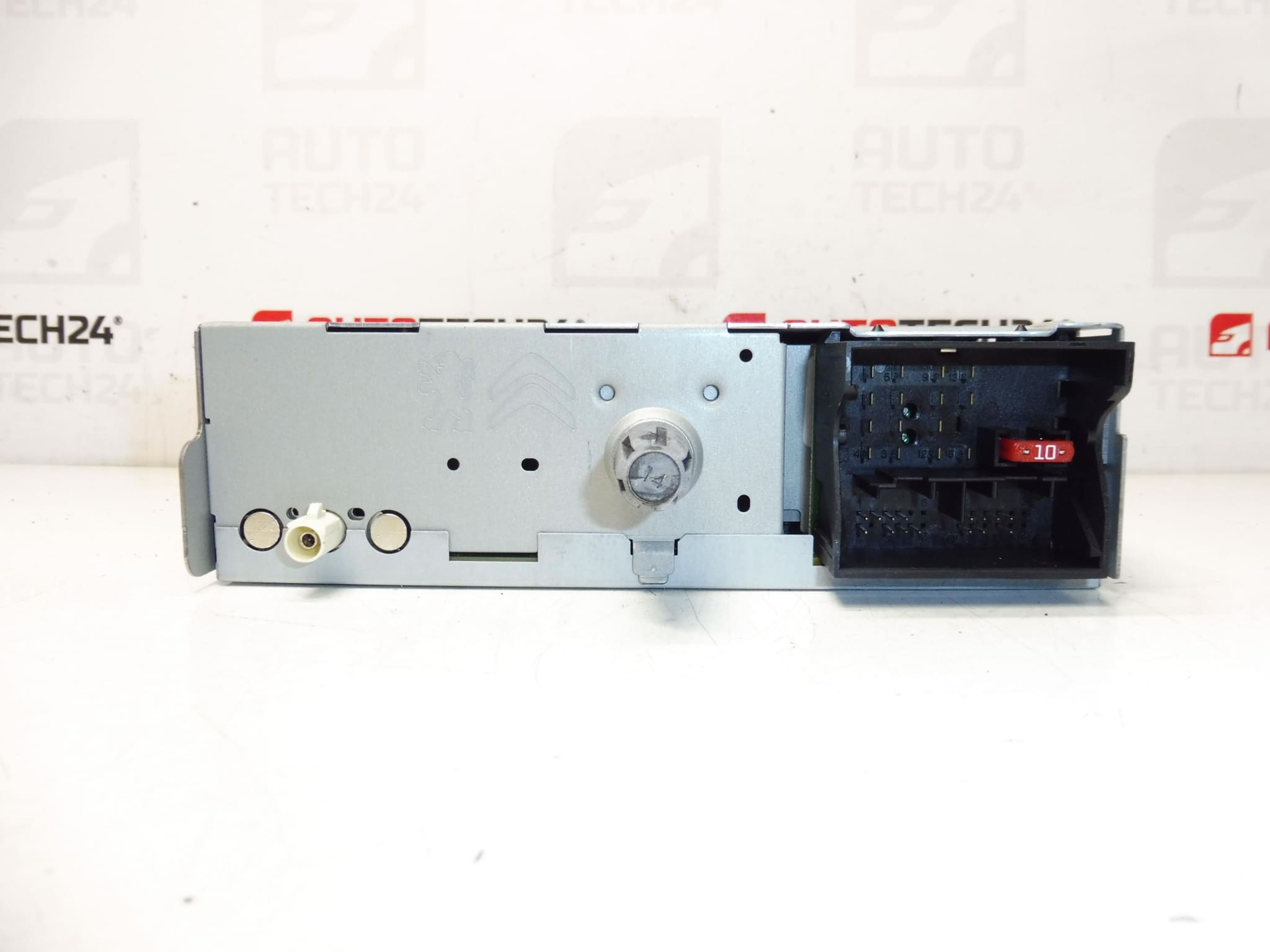
Premium OEM CD car radio suitable for Citroën C4 II (B7) models. This original-equipment unit is a direct-fit replacement for workshops and experienced DIY mechanics looking to restore factory audio functionality without losing vehicle integration. The radio accepts standard ISO connectors and retains compatibility with factory antenna and steering wheel controls in vehicles with original wiring. Commonly searched by part numbers, this unit is listed under 9666994580 and related reference numbers, making it easy to find when ordering or cross-referencing.
Technical Information
- Manufacturer: Stellantis (Citroën)
- Model: Citroën C4 II (B7)
- Product Codes: 9666994580
- Other Numbers: 1611729080, 1613842980, 6574SN
Function And Features
This unit provides AM/FM radio reception and a built-in CD player with front-panel controls. As an OEM radio it is designed to integrate with the vehicle’s original audio wiring, antenna and, where fitted, factory steering wheel audio controls and vehicle CAN systems. The device offers straightforward operation and an OEM look that preserves the dashboard appearance.
Replacement Procedure
Recommended basic steps for removal and installation (for experienced mechanics or competent DIYers):
- Disconnect the negative battery terminal before starting to avoid short circuits or damage to vehicle electronics.
- Carefully remove surrounding trim panels using plastic pry tools to avoid damage to clips and fascia.
- Unscrew the radio mounting bolts and slide the unit clear of the dash.
- Disconnect all wiring harness connectors, antenna lead and any amplifier or external module plugs. Inspect connectors for corrosion or bent pins.
- Fit the replacement unit by reversing removal steps: connect harness, antenna and secure mounting bolts. Refit trim panels.
- Reconnect the battery and verify radio power, station reception, CD mechanism operation and steering wheel control functionality (if applicable).
Recommended Tools
- Plastic trim removal tools
- Screwdrivers and appropriate Torx bits
- Digital multimeter for quick voltage checks
- Replacement radio removal keys (if required by vehicle)
Why This Part Most Commonly Fails
Typical failure modes for factory CD radios include mechanical wear of the CD mechanism (failure to load/eject or read discs), degraded solder joints on power supply components, corrosion on connectors due to moisture ingress, and intermittent power issues caused by loose wiring or blown fuses. Heavy use of CDs, extended exposure to heat and humidity, or water leaks into the dash area accelerate wear. Electrical faults are often repairable but replacing the complete unit is usually the fastest and most reliable solution in a workshop environment.
Installation Recommendations
- Always disconnect the battery before removing the unit to protect vehicle electronics.
- Check and, if necessary, replace the relevant fuses and inspect the antenna connector for corrosion to ensure good reception after installation.
- Retain any vehicle-specific brackets or foam pads and transfer them to the replacement radio for a secure fit and correct dash alignment.
- If steering wheel control functions are lost after installation, verify connector pinout and CAN connections; an interface module may be required in some conversions.
- Test all functions (radio, CD, mute, steering wheel controls) before reassembling trim panels to avoid repeat disassembly.