Description
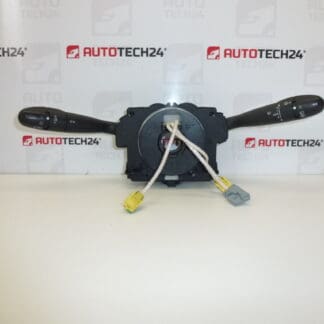
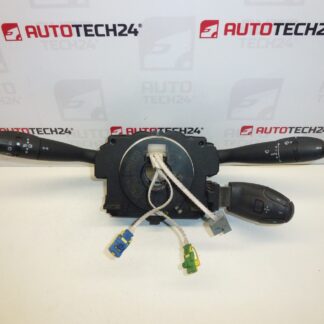
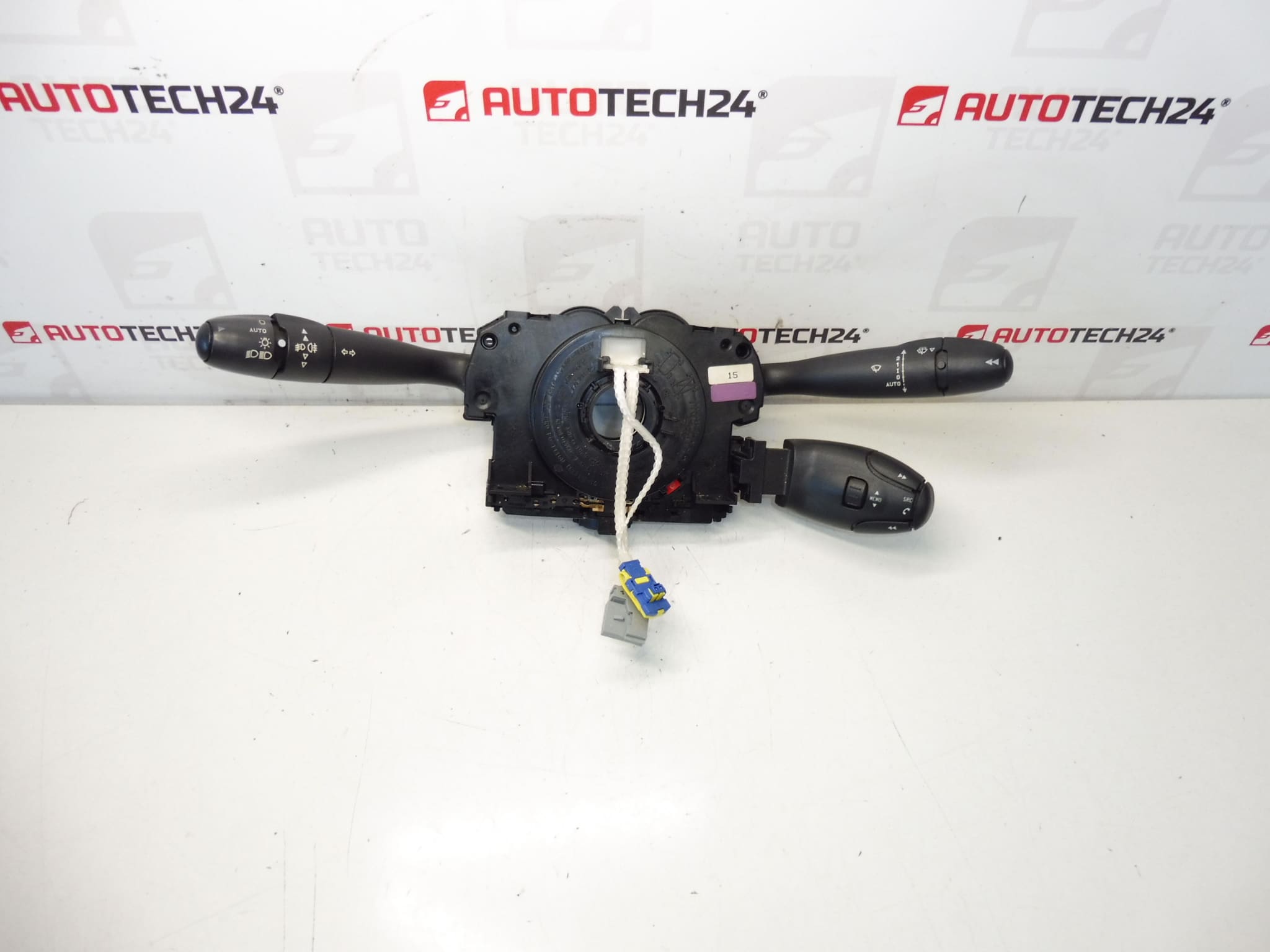
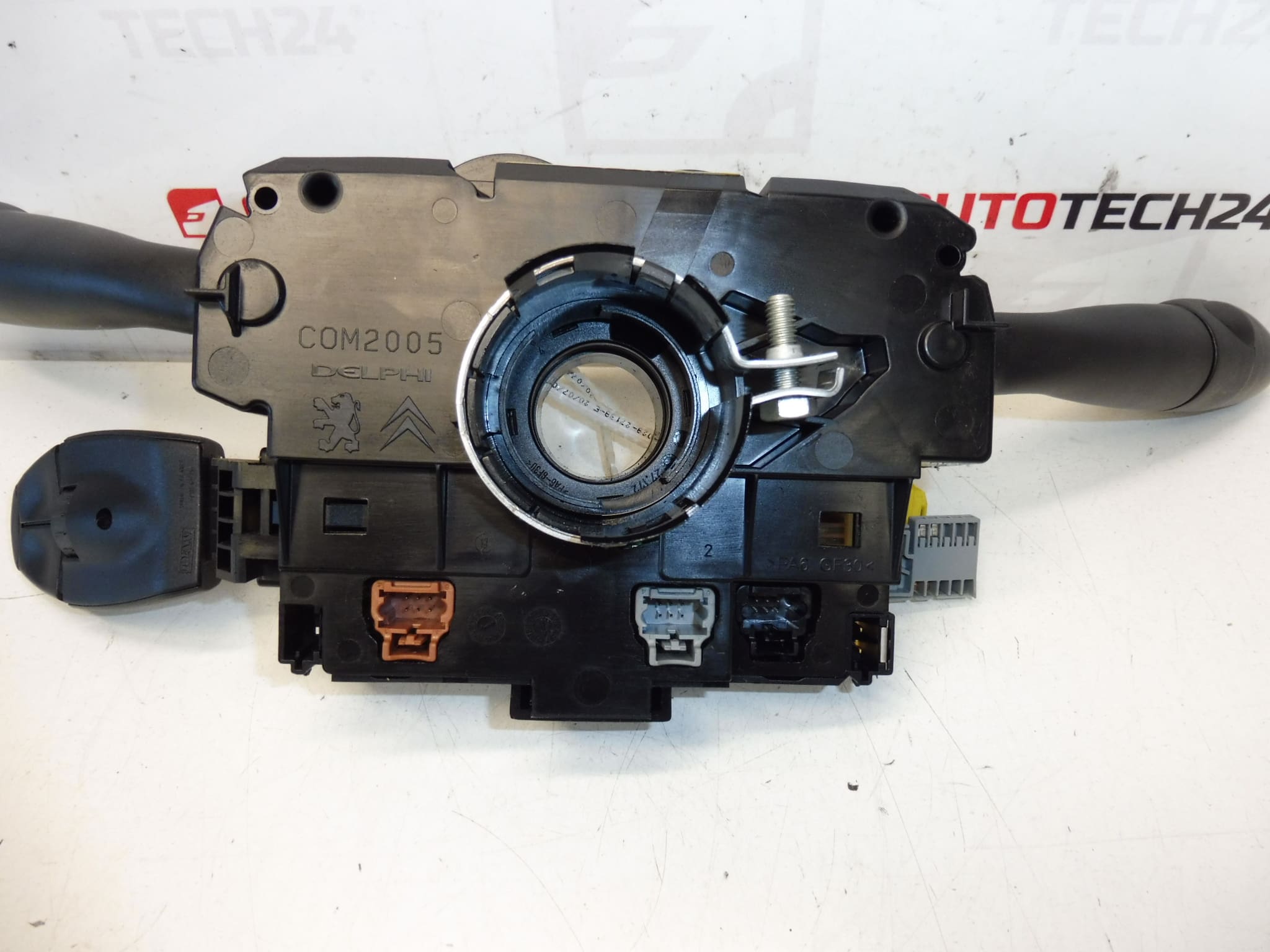
Multifunction steering column stalks, DELPHI COM2003, taken from a PEUGEOT 307 CC (from 2005). They control fog lights, trip computer, front wipers, rain sensor, ESP, cruise control and the car radio (the radio/cruise control stalk or module may need to be supplied or transferred).
This used steering column control unit is a direct replacement option for mechanics and DIY enthusiasts working on Peugeot and Citroën vehicles. It is commonly searched by part numbers 96635796XT, 98069979XT and 6242AA, so listing these codes increases findability in online searches. The module centralizes several functions around the steering column: lighting and fog lights control, wiper and rain-sensor signals, trip computer commands, ESP interfacing and cruise control activation. In some vehicle configurations radio or cruise-control commands require transferring the original stalk or adding the corresponding module.
Compatibility And Application
Fits a range of PSA/Stellantis models — commonly used on Peugeot and Citroën cars. Notable applications include:
- Peugeot 307 / 307 CC (including models from 2005 onwards)
- Peugeot 206
- Peugeot 406
- Peugeot 807
- Peugeot Berlingo II
- Citroën C5 I
- Citroën C8
Technical Information
- Manufacturer: Delphi (used on PSA/Stellantis vehicles)
- Model: COM2003
- Product Codes: 96635796XT, 98069979XT, 6242AA
- Other Numbers: COM2003
Function And Symptoms Of Failure
The stalk assembly provides user inputs for lights, fog lights, wipers, rain sensor signals, trip computer navigation, ESP-related commands, cruise control and some radio controls. Common symptoms indicating a faulty stalk include intermittent or non-functioning indicators for fog lights or wipers, lost trip computer control, unresponsive cruise control switches, or unexpected behaviour of related circuits (flickering lights, stuck wiper positions). Electrical contact degradation can also cause fault codes related to steering column switches.
Why The Part Fails Most Often
- Wear Of Internal Contacts: Repeated use causes contact wear or carbonization, leading to intermittent signals.
- Moisture Ingress And Corrosion: Water or condensation in the column can corrode connectors and switch contacts.
- Mechanical Damage: Broken levers, snapped plastic tabs or wear of the detent mechanism from years of use.
- Electrical Faults: Short circuits, wiring chafing or connector faults can damage the module or its functions.
Replacement And Installation Notes
General replacement procedure (overview for experienced technicians):
- Disconnect The Battery: Always disconnect the negative terminal and wait an appropriate time for airbag system capacitors to discharge before touching the steering column.
- Remove Steering Column Covers: Unscrew and separate the upper and lower plastic shrouds to access the stalk connectors.
- Disconnect Electrical Connectors: Carefully unplug the multi-pin connectors. Note connector positions or take photos to ensure correct reassembly.
- Remove The Faulty Stalk: Release retaining clips or screws and remove the stalk assembly. In some vehicles partial removal of the steering wheel or airbag may be required—follow the vehicle manufacturer’s procedure.
- Install The Replacement: Fit the new/used stalk, reconnect connectors, reassemble column covers and reconnect the battery.
Important Safety Note: Always follow the vehicle manufacturer’s repair and safety procedures when working near the airbag and steering column. If unsure, have the replacement performed by a qualified technician.
Installation Recommendations
- Ensure Connectors Are Clean: Clean oxidized or corroded terminals before installation for reliable contact.
- Transfer Required Parts: If the vehicle requires the original radio or cruise-control sub-module or trim pieces, prepare to transfer these from the donor stalk.
- Check Related Systems: After replacement, verify wiper park position, indicator operation, trip computer functions and clear any transient fault codes with appropriate diagnostic tools.
- Use Proper Tools: Avoid forcing clips or screws. Use the correct trim tools to prevent damage to covers and trim.
Why Buy This Part
This multifunction stalk offers a cost-effective way to restore multiple steering-column functions at once. It is especially useful when individual switches fail or when mechanical damage affects several controls. Listing OEM part numbers in the product title and description helps technicians and DIYers quickly identify compatibility during repairs.
Keywords: Delphi COM2003, 96635796XT, 98069979XT, 6242AA, Steering Column Stalk, Multifunction Switch, Peugeot 307 CC, Citroën.