Description
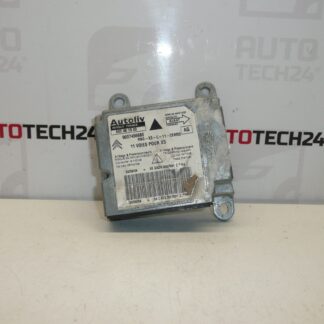
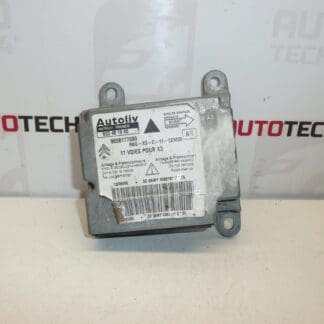
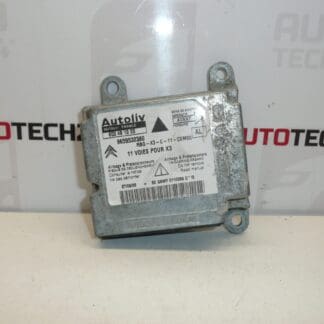
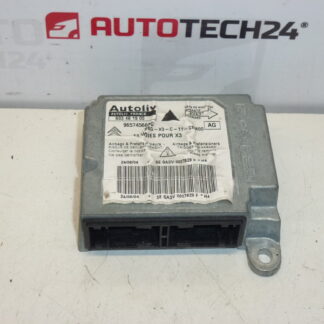
Airbag Control Unit For Citroën C5 II
Overview
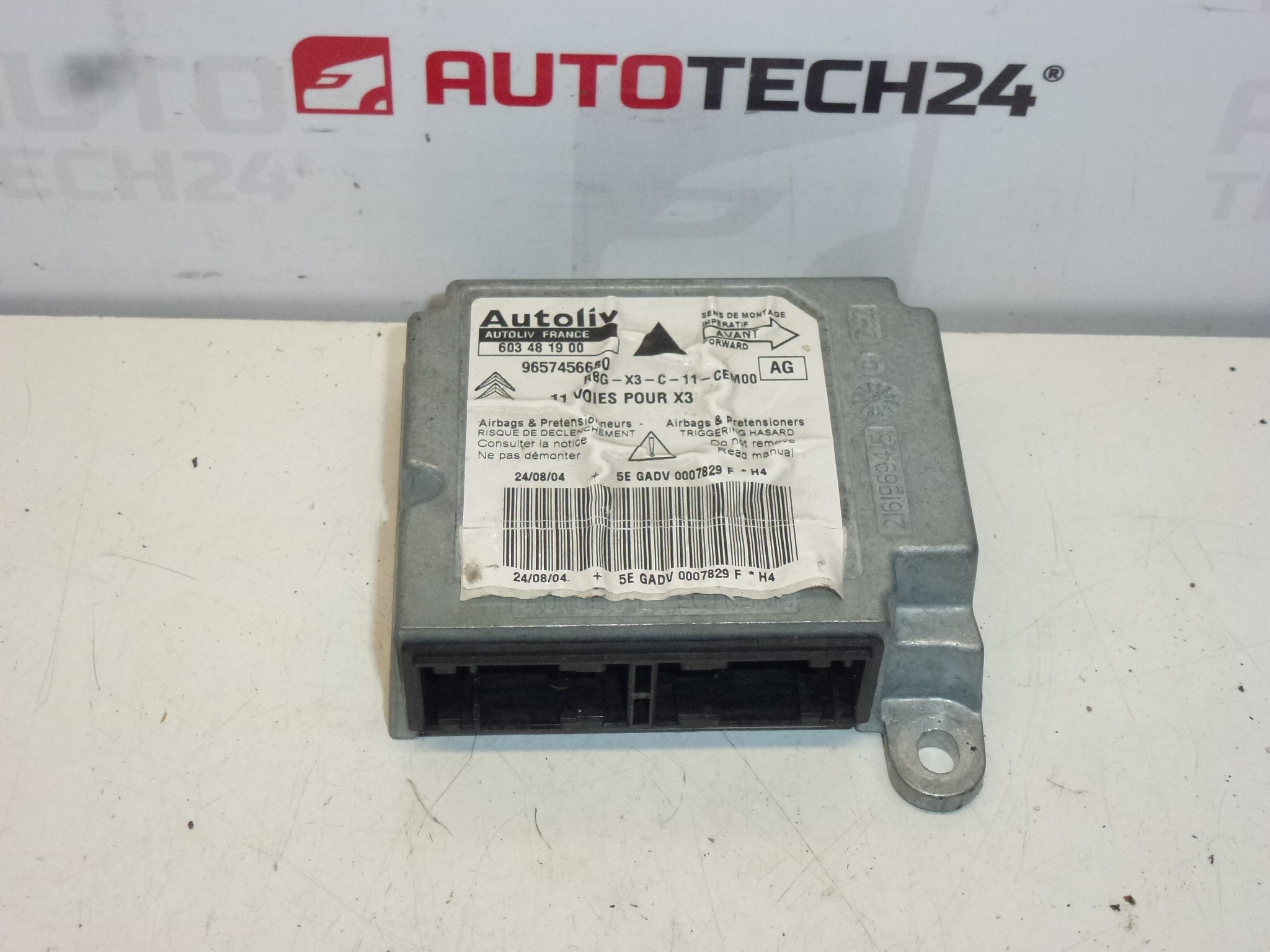
This airbag control unit (SRS module) is designed for Citroën C5 II vehicles and is commonly referenced by part numbers 9657456680, 603481900, 6545V0 and 6545V1. The module monitors crash sensors and controls the deployment of airbags and seatbelt pretensioners. It stores crash events and fault codes, and when a fault is present the airbag warning lamp on the instrument cluster will illuminate, indicating that the SRS system requires attention.
Why This Part Matters
A correctly functioning airbag control unit is essential for occupant safety. In the event of a collision, the module evaluates sensor inputs and issues deployment commands within milliseconds. Replacing a faulty or deployed unit restores the vehicle’s ability to protect occupants in a subsequent accident and clears persistent SRS fault indications.
How It Fails
- Deployment After A Collision: The most common reason for replacement is activation during an accident—after deployment the module typically requires replacement or reprogramming.
- Water Ingress And Corrosion: Moisture from leaks (sunroof, door seals) or flooded vehicles can corrode connectors and internal circuitry, causing faults.
- Electrical Damage: Voltage spikes from jump-starts, poor battery connections or short circuits can damage internal electronics.
- Connector Or Wiring Faults: Damaged pins, loose connections or broken wiring to crash sensors and restraints can generate persistent SRS errors.
Replacement And Installation
Replacement of the airbag control unit should follow safe SRS handling procedures. Typical replacement steps used by experienced technicians:
- Disconnect The Vehicle Battery And Wait At Least 10 Minutes To Allow Residual Energy To Discharge.
- Remove Interior Trim Panels To Access The SRS Module (Usually Located Under The Center Console Or Seat Base Depending On Model And Trim).
- Unplug Electrical Connectors Carefully, Noting Locking Tabs And Pin Orientation.
- Remove Mounting Fasteners And Extract The Module.
- Install The New Module, Reconnect All Connectors Securely And Refit Trim.
- Perform Post‑Installation Checks With An SRS‑Capable Diagnostic Tool: Clear Fault Codes, Verify Sensor Status And Ensure The Airbag Warning Lamp Extinguishes After Initialization.
Recommendations For Installation
- Use An SRS‑Capable Diagnostic Tool To Read And Clear Faults And To Verify System Integrity After Installation.
- Observe Electrostatic Discharge Precautions And Handle The Unit By Its Housing—Avoid Touching Contacts Directly.
- Always Disconnect The Battery Before Starting Work And Follow The Manufacturer’s Safety Procedures To Prevent Accidental Deployment.
- If The Module Was Replaced Due To A Crash, Inspect All Airbag Components, Seatbelt Pretensioners And Crash Sensors; Replace Any Components That Have Deployed Or Been Damaged.
- Where Required, Have Coding, Initialization Or Sensor Calibration Performed Using An Approved Diagnostic System By A Qualified Technician.
Technical Information
- Manufacturer: Stellantis / Citroën
- Model: Citroën C5 II (Second Generation)
- Product Codes: 9657456680, 603481900, 6545V0, 6545V1
- Additional Numbers: 603481900 | 6545V0 | 6545V1 | 9657456680
Common Symptoms Indicating Module Fault
- Permanent Illumination Of The Airbag Warning Lamp On The Dash.
- Intermittent SRS Warnings Or Stored Crash Data/Memory Errors.
- After A Collision, Airbags Do Not Reset Or System Reports Deployment Status.
Why The Part Is Often Searched By Part Number
Airbag units are frequently identified and ordered by their OEM part numbers (9657456680, 603481900, 6545V0, 6545V1) to ensure correct fitment and compatibility with vehicle wiring and sensor calibration. Searching by these codes increases the chance of matching the exact module variant used in the Citroën C5 II.
Reason For Failure — Summary
In short, SRS modules usually require replacement after activation in a crash, or when damaged by water, corrosion, or electrical faults. Ensuring dry, secure electrical connections and careful handling during repairs reduces the likelihood of premature failure.
Note For Professionals And DIYers
This description is intended for professional mechanics and experienced DIYers familiar with SRS systems. If you are unsure about any step of the replacement, use appropriate diagnostic equipment and safety procedures or consult a qualified technician.