Description
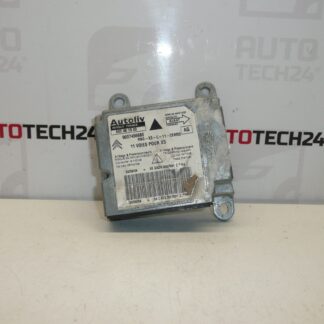
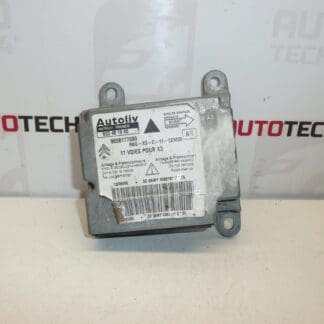
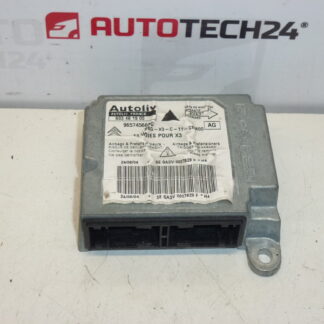
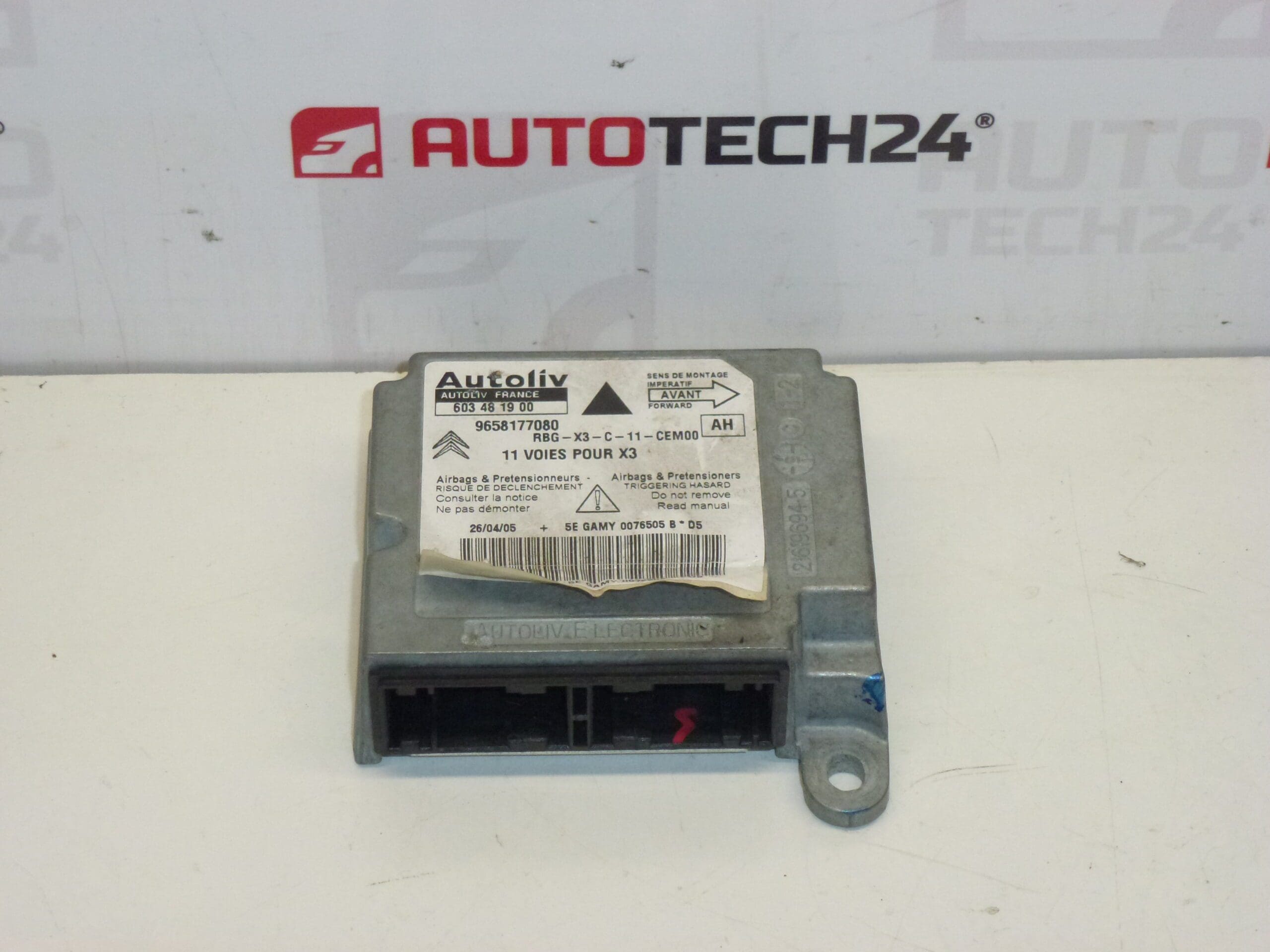
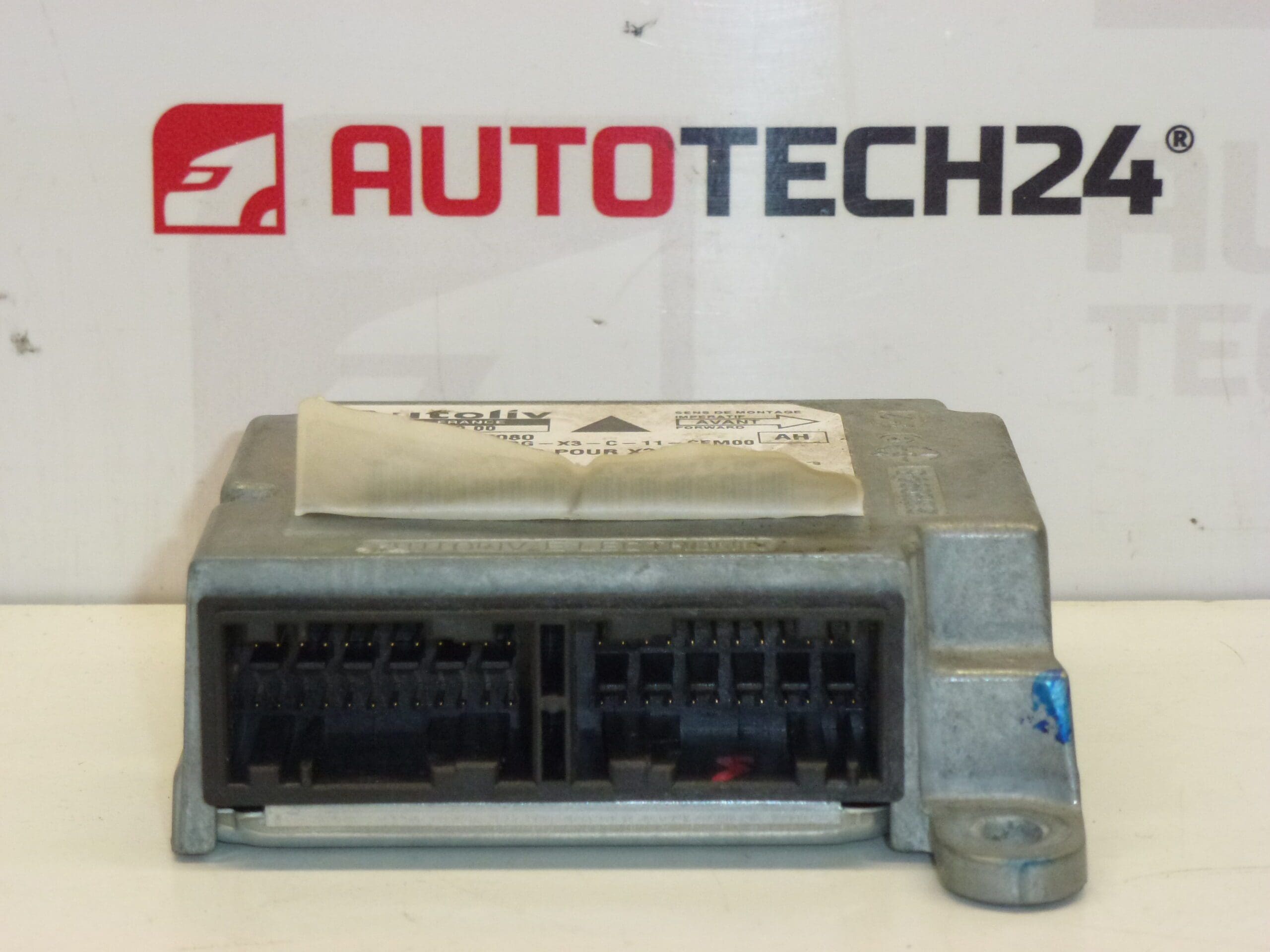
Airbag Control Unit for Citroën C5 II — 7x Airbags Plus Pyrotechnic Seatbelt Pretensioners. Fully Functional.
This airbag (SRS) control unit is intended for Citroën C5 II vehicles and manages deployment of seven airbags together with seatbelt pretensioners. Designed for professional workshops and experienced DIY mechanics, the unit is supplied with the original part numbers commonly searched in catalogs and by technicians. Replacing the SRS control unit restores the vehicle’s passive safety functions after a fault or crash-related deployment and is a critical repair that should be followed by diagnostic verification.
Technical Information
- Manufacturer: Stellantis (Citroën / Peugeot)
- Model: Citroën C5 II (Second Generation)
- Product Codes: 9658177080; 603481900
- Other Numbers: 6545V0; 6545V1; NFP
Compatibility And Application
Primary fitment: Citroën C5 II (second generation). The unit uses Stellantis/PSA part references listed above and may be interchangeable with vehicles on the same platform that share these part numbers. Always confirm fitment by matching part numbers before installation.
Function
The SRS control unit continuously monitors crash sensors, seat occupancy sensors and belt buckle switches. In the event of a collision it evaluates sensor inputs and triggers deployment of airbags and activation of pyrotechnic seatbelt pretensioners to reduce occupant injury. It also stores fault codes in its memory when sensors or circuits report errors, illuminating the airbag warning lamp on the instrument cluster.
How Replacement Is Performed
Typical replacement steps (summary for experienced technicians):
- Disconnect the vehicle battery and allow sufficient time for the SRS capacitors to discharge (follow manufacturer-recommended waiting time).
- Remove required interior trim or seat components to access the SRS control unit mounting location.
- Unbolt the unit, carefully release the multi-pin connectors and remove the module.
- Install the replacement unit in the original orientation, reconnect connectors and secure mounting bolts to specified torque.
- Reconnect the battery, then use a compatible diagnostic tool to read and clear SRS fault codes and to verify that the airbag warning lamp extinguishes after successful initialization.
Installation Recommendations
- Always disconnect the negative battery terminal before starting work and wait the recommended time to avoid accidental deployment.
- Handle the unit and connectors with care; avoid pulling on wiring and protect connectors from contamination.
- Use a PSA-compatible diagnostic tool (or equivalent capable SRS scanner) to perform post-installation checks, clear stored faults and confirm system readiness.
- If unsure about access or coding, have the replacement performed by a qualified technician with SRS experience.
Why This Part Most Often Fails
Common causes of SRS control unit failure include:
- Crash Deployment: After airbag deployment the unit records events and typically must be replaced.
- Moisture Ingress Or Corrosion: Water damage or corroded connectors can cause faults or complete failure.
- Electrical Surges Or Short Circuits: Battery jumps, incorrect wiring or other electrical issues may damage internal electronics.
- Connector Or Wiring Damage: Physical damage to harnesses or pins leads to intermittent faults and warning lights.
- Age‑Related Component Failure: Internal electronic components can degrade over long service life.
Because the SRS unit is a safety-critical component, proper installation and diagnostic verification are essential to restore full functionality.