Description
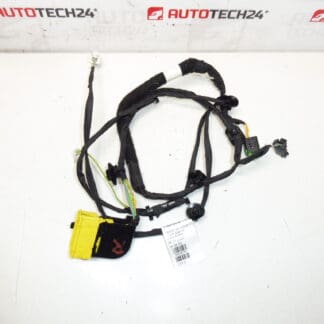
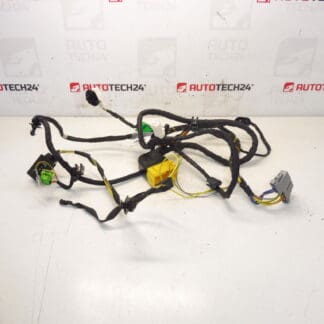
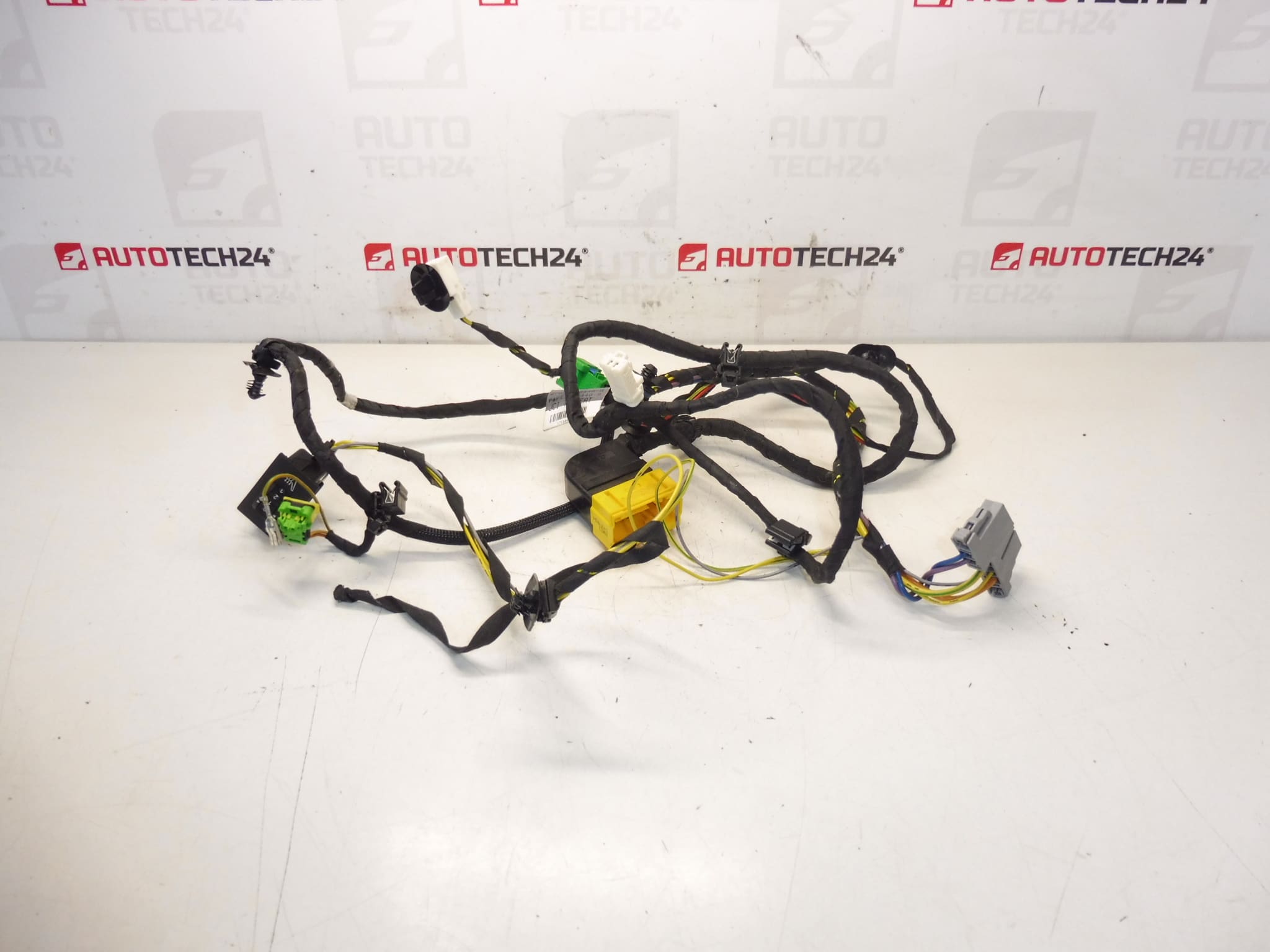
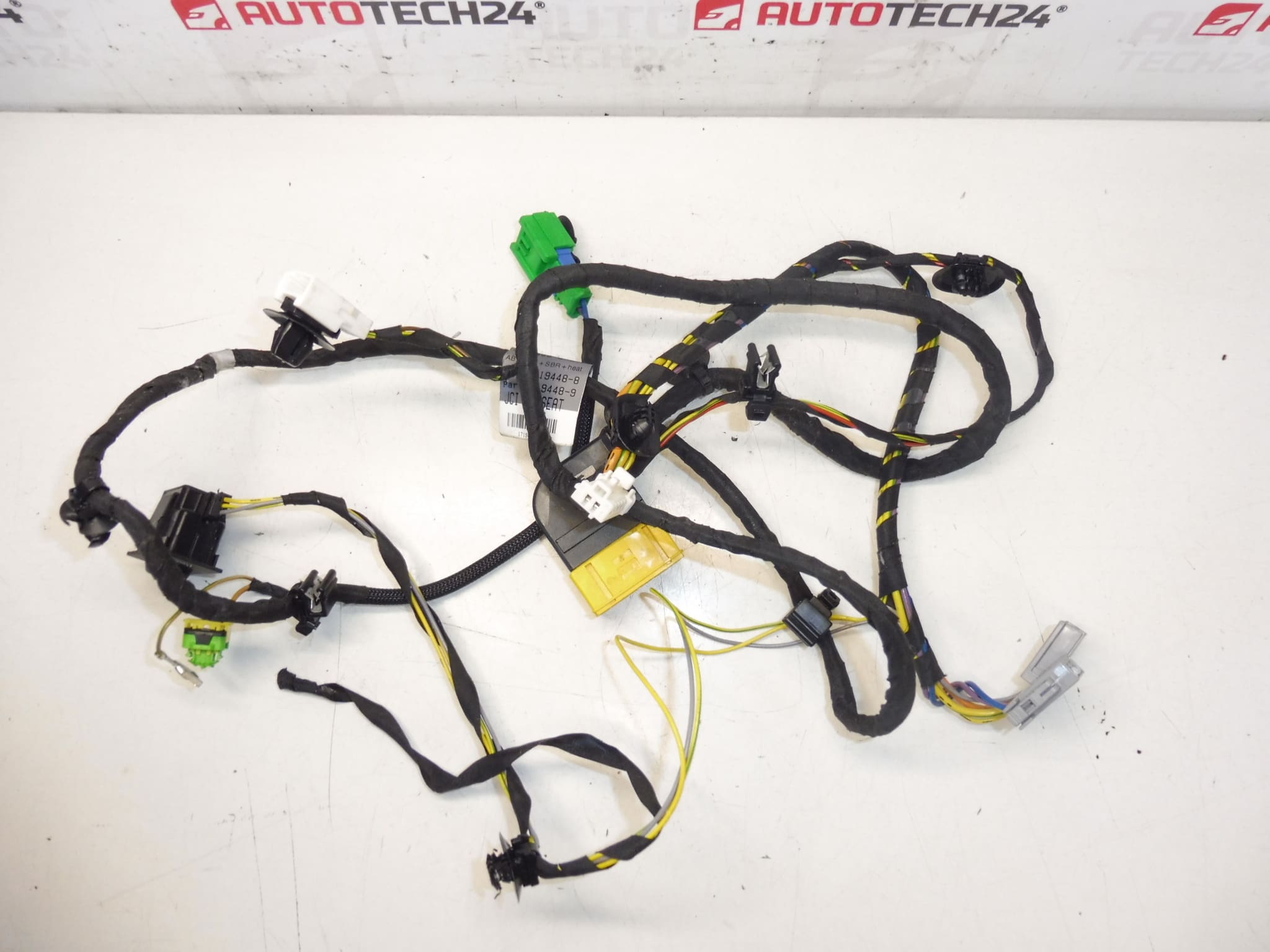
Complete front passenger seat wiring harness for Peugeot 3008 T84 and 5008 T87
Overview
This front passenger seat wiring harness (part code 6545XX) is designed for direct replacement in Peugeot 3008 T84 and Peugeot 5008 T87 vehicles. Built to route and connect seat adjustment motors, heaters, occupancy sensors and airbag/seatbelt circuits where fitted, the harness restores electrical functionality of the seat assembly. Ideal for professional workshops and experienced DIY mechanics who search by part number when sourcing replacements.
Key Benefits
- Direct Fit For Vehicles Specified: Saves time compared with custom repairs or splicing.
- Restores Full Seat Functionality: Powers motors, heating elements, sensors and safety circuits where applicable.
- Suitable For Mechanics And Competent DIYers: Clear routing and connector locations speed up installation.
- Part Number Search Friendly: Frequently found in catalogs and diagnostics under 6545XX.
How The Part Works
The wiring harness collects all electrical connections for the front passenger seat into a single, routed loom. It transmits power and signals between the vehicle body harness and seat components such as adjustment motors, seat heating elements, occupancy sensors and airbag/seatbelt connectors (when present). Proper routing and secure connector engagement are essential to maintain reliable function and avoid electrical faults or airbag warning lights.
Replacement Procedure
- Disconnect Battery: Always disconnect the negative battery terminal and wait the manufacturer-recommended time to deactivate airbag circuits.
- Remove Trim And Access Seat Base: Remove plastic covers and any under-seat trim to access the harness routing and connectors.
- Unplug Connectors: Carefully release retaining clips and unplug all seat-to-car connectors. Note connector orientation for reassembly.
- Remove Old Harness: Unclip the harness from brackets and guide channels, then extract it from under the seat and through seat frames as required.
- Install New Harness: Route the new harness following original clips and channels. Ensure no sharp edges pinch the loom and that movement zones remain free.
- Reconnect And Test: Reconnect all plugs, reattach trim, reconnect the battery and verify seat adjustment, heating and safety-related indicators. Clear any stored fault codes with appropriate diagnostic equipment if necessary.
Technical Information
- Manufacturer: Stellantis / Peugeot
- Model: Peugeot 3008 T84; Peugeot 5008 T87
- Product Codes: 6545XX
- Additional Numbers: No additional numbers provided
Installation Recommendations
- Always Disconnect The Battery Before Starting Work To Prevent Airbag Deployment And Electrical Damage.
- Follow Original Routing And Secure All Clips To Prevent Abrasion And Noise From Moving Parts.
- Inspect Connectors For Corrosion Or Bent Pins Before Reassembly; Replace Damaged Clips Or Grommets To Maintain Sealing.
- After Installation, Verify Airbag And Seat Belt Warning Lights Remain Off; Use A Diagnostic Tool To Read And Clear Fault Codes If Required.
- When In Doubt About Airbag Or Safety-Critical Connections, Prefer Workshop Procedures And Manufacturer Instructions.
Why This Part Usually Fails
Seat wiring harnesses commonly fail due to mechanical fatigue and abrasion from constant seat movement. Repeated sliding and reclining causes wires to flex where they pass through seat frames and hinges, eventually leading to broken conductors or intermittent connections. Other frequent causes include connector corrosion from moisture ingress, damage during previous repairs or seat removal, and melted insulation from localized heating faults. Failure symptoms include loss of seat adjustment, heater function, or activation of airbag/seatbelt warning lamps.
Notes For Buyers
Search By Part Number (6545XX) To Speed Up Identification. Suitable For Use By Professional Mechanics And Experienced DIY Enthusiasts Familiar With Seat Electronics And Safety Precautions.