Description
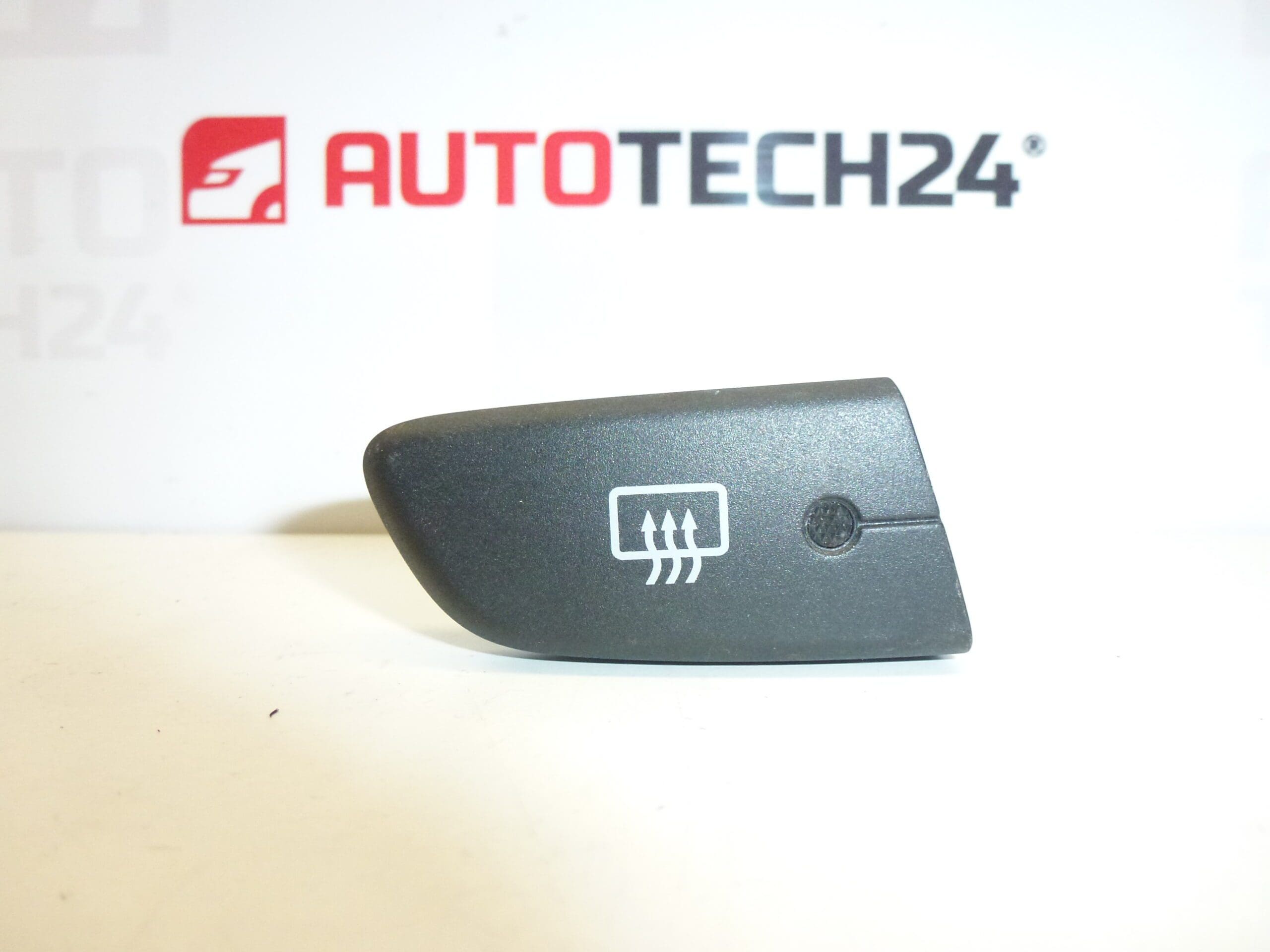
Rear Window Heating Switch for Citroën C1, Peugeot 107 and Toyota Aygo First Series.
Product Overview
This original-style rear window heating (rear window defogger) switch is made for small city cars from the Toyota/PSA collaboration. It provides a reliable, simple interface to activate the rear window heater, restoring clear visibility and removing condensation or light frost quickly. Ideal for professional technicians and DIY enthusiasts who search by part number (84790-0H010 / 654612).
Function And Application
The switch completes the control circuit for the rear window heating element and usually supplies a signal to the rear defogger relay. It is mounted in the dash or center console area and operates by pressing the button to engage the heater. Typical symptoms of a faulty switch include no response when pressed, intermittent activation, or loss of button illumination.
Compatibility
Fits First Generation models produced in the Toyota/PSA joint platform, for example:
- Citroën C1 (First Generation)
- Peugeot 107 (First Generation)
- Toyota Aygo (First Generation)
Technical Information
- Manufacturer: Stellantis (Citroën / Peugeot)
- Model: Citroën C1, Peugeot 107, Toyota Aygo (First Generation)
- Product Codes: 84790-0H010
- Additional Numbers: 654612, 84790-010
Installation Recommendations
Follow safe work practices when replacing electrical switches. Recommended steps:
- Disconnect the negative battery terminal before starting any work on the vehicle electrical system.
- Use trim removal tools to remove dash/console panels without damage.
- Release the switch retaining clips and carefully extract the switch from the panel.
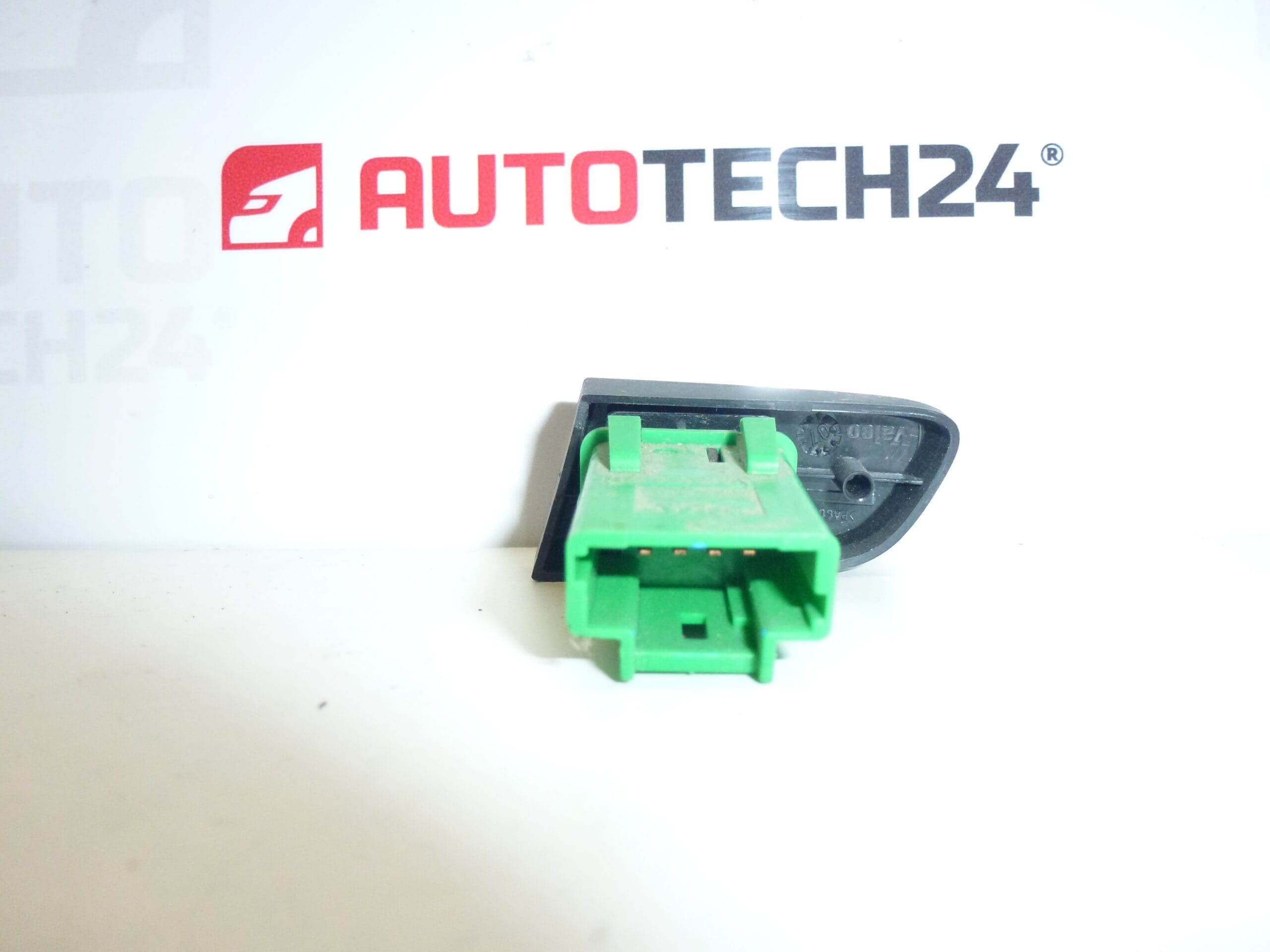
- Unplug the electrical connector and inspect terminals for corrosion or bent pins.
- Fit the new switch, reconnect the connector and reassemble panels. Reconnect the battery and test the rear window heater function and switch illumination.
Useful tools: plastic trim tools, small screwdriver, multimeter for continuity checks, and a flashlight.
Why This Part Fails Most Often
- Mechanical Wear: Repeated use can wear internal contacts or springs, causing intermittent operation.
- Corrosion and Moisture Ingress: Exposure to moisture or condensation can corrode contacts and connectors.
- Electrical Overload Or Faults: Upstream faults (bad relay, wiring short, or blown fuse) can stress the switch or its illumination lamp/LED.
- Illumination Failure: The internal lamp or LED that lights the switch can burn out while the switch mechanism remains functional.
Practical Tips For Diagnosis
- Check fuses and the rear defogger relay first—symptoms attributed to the switch are often caused by these components.
- Measure continuity across the switch terminals with a multimeter when pressing the button to confirm operation.
- Inspect connector pins for bending or corrosion and clean contacts if necessary.
Durability And Maintenance
There is no fixed replacement interval; a switch can last many years under normal conditions. Replace the switch if you notice stiffness, intermittent function, complete failure, or loss of illumination. Regular inspection of connectors and ensuring seals around dashboard openings help extend service life.