Description
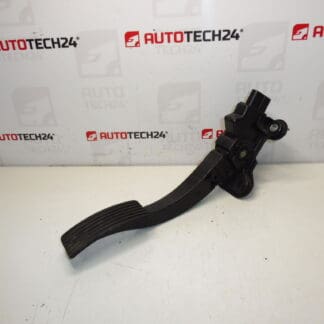
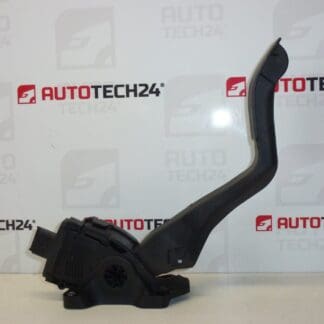
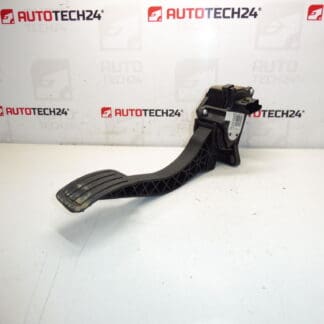
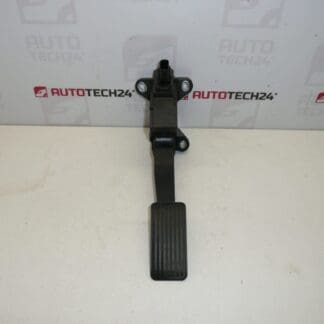
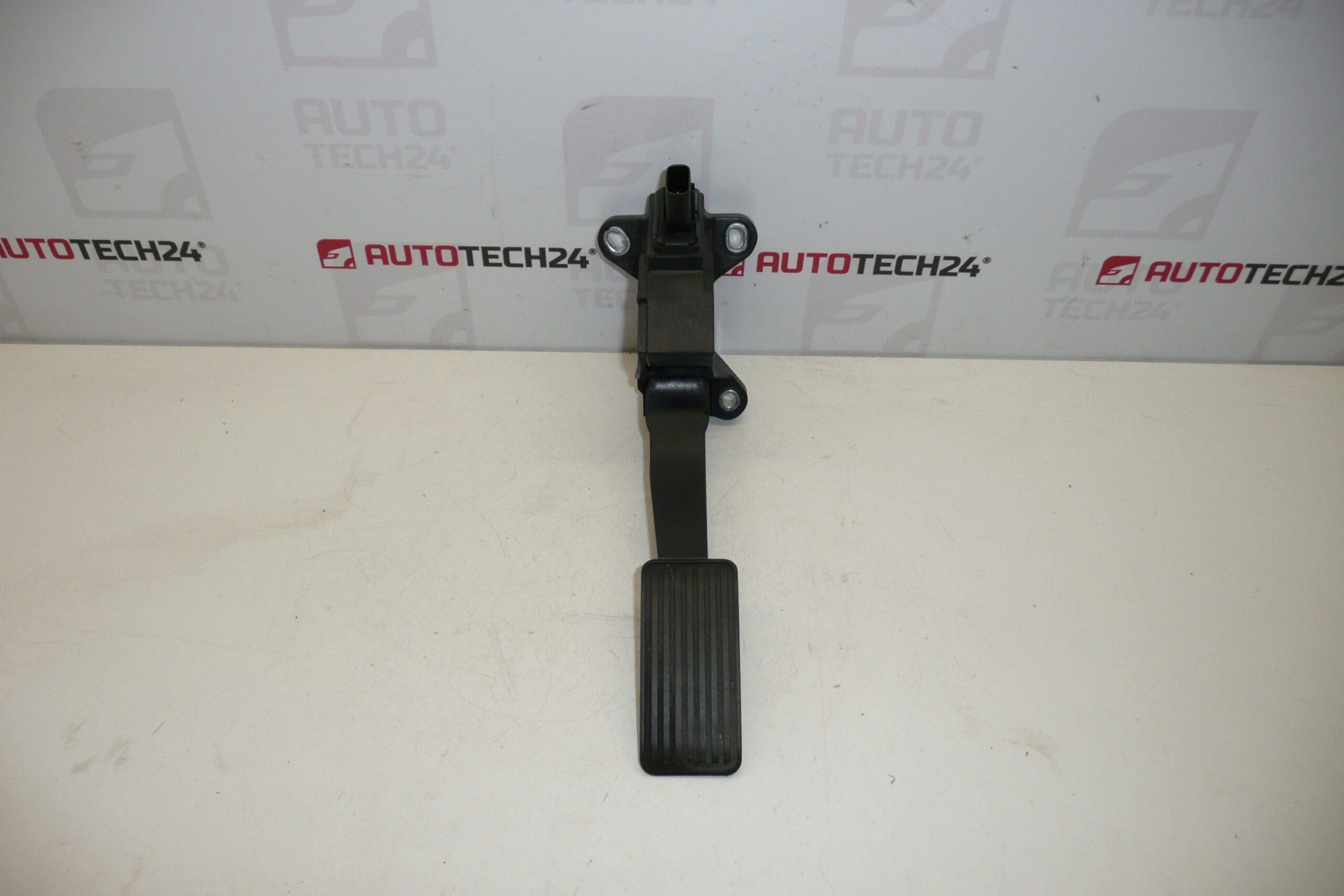
Accelerator pedal for Citroën C1, Peugeot 107 and Toyota Aygo (automatic)
Product Overview
This electronic accelerator pedal assembly with integrated position sensor (potentiometer) is designed as a direct-fit replacement for Citroën C1, Peugeot 107 and Toyota Aygo models with automatic transmission. Commonly searched by part numbers, this unit restores precise throttle response and eliminates faults caused by worn or faulty pedal potentiometers.
Key Benefits
- Direct OEM-compatible fit for listed models, easing installation and reducing adaptation work.
- Reliable electronic position sensing for smooth throttle control and consistent engine response.
- Ideal for mechanics and DIY enthusiasts who search by product code to ensure correct replacement.
Compatibility And Use
Intended For: Citroën C1, Peugeot 107, Toyota Aygo (automatic). Frequently found in vehicles of small city-car platforms shared across Stellantis and partner models. Often located and ordered using OE codes or aftermarket identifiers listed below.
How The Part Works
The pedal assembly converts the driver’s foot movement into an electrical signal via an integrated potentiometer or accelerator position sensor. That signal is transmitted to the engine control unit (ECU) which then adjusts throttle opening (drive-by-wire systems) or instructs the powertrain system to change engine output. A faulty sensor can trigger throttle-related fault codes, limp-home mode, or uneven acceleration.
Replacement Procedure (Overview)
Replacement is straightforward for a trained technician or competent DIYer with basic tools. Typical steps:
- Park vehicle on level ground, engage parking brake and disconnect the negative battery terminal before work.
- Remove lower dashboard or footwell trim panels to access the pedal assembly.
- Unplug the electrical connector from the pedal sensor and unbolt the pedal assembly from its mounting points.
- Fit the new pedal assembly in position, secure bolts to manufacturer torque specifications, and reconnect the electrical plug.
- Reconnect the battery, clear any stored fault codes and perform throttle adaptation or relearn procedure if required using a diagnostic tool.
Installation Recommendation
Always follow the vehicle manufacturer’s instructions and torque settings. Disconnect the battery before removing the unit to prevent electrical damage. After installation, check for stored fault codes and perform a throttle position relearn or adaptation if the vehicle’s service manual specifies it. If in doubt, use a diagnostic tool to confirm correct sensor values and system status.
Reason Why The Part Most Often Fails
Common failure causes include internal wear of the potentiometer contacts, contamination from dust or moisture, corrosion of electrical connectors, mechanical damage from impact, or wiring harness faults. Symptoms of failure typically include throttle hesitation, erratic idle, warning lights related to throttle or engine management, or activation of limp-home mode.
Technical Information
- Manufacturer: Stellantis (Citroën / Peugeot)
- Model: Citroën C1; Peugeot 107; Toyota Aygo (Automatic)
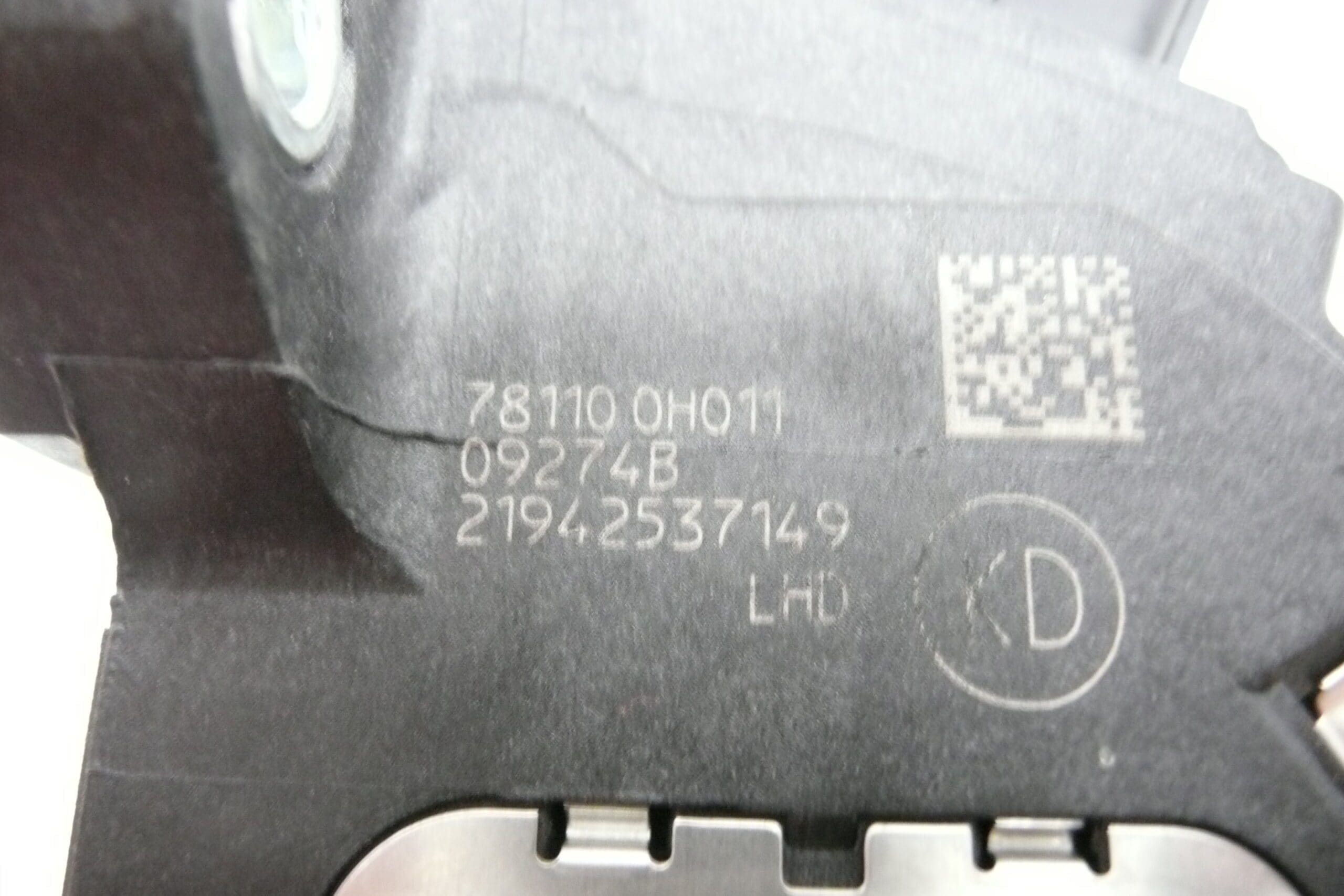
- Product Codes: 78110-0H010, 78110-0H011, 1601ET
- Other Numbers: NFP (as Listed)
Additional Notes
When ordering, technicians commonly search by the OE or product code to ensure compatibility. Keep connectors clean and secure during installation to prevent intermittent faults. If throttle-related faults persist after replacement, verify wiring continuity and ECU inputs before replacing additional components.