Description
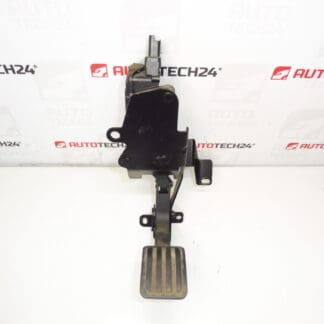
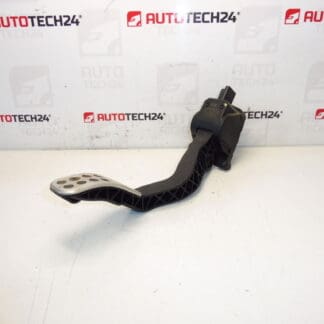
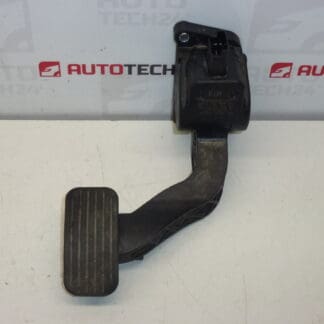
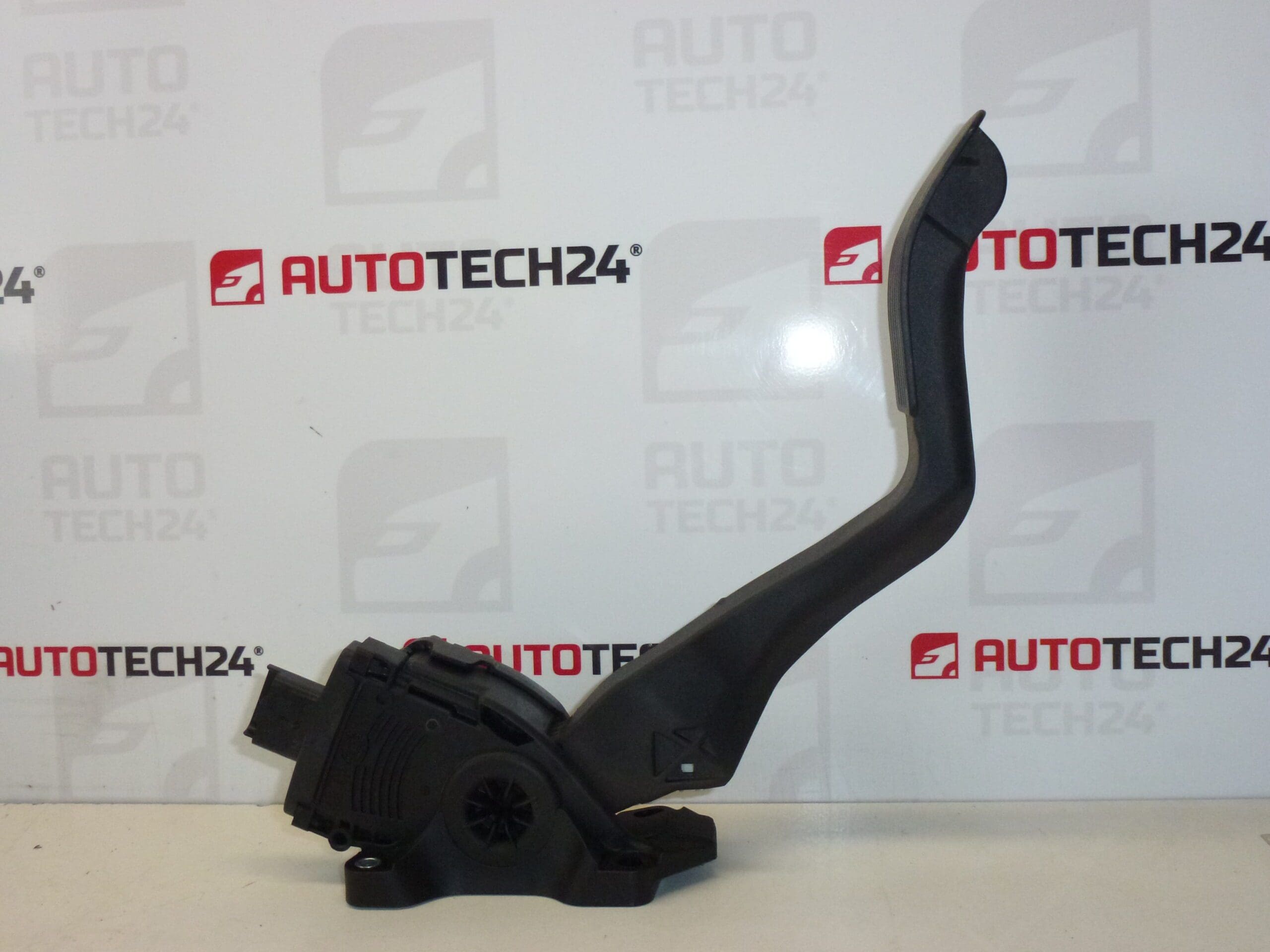
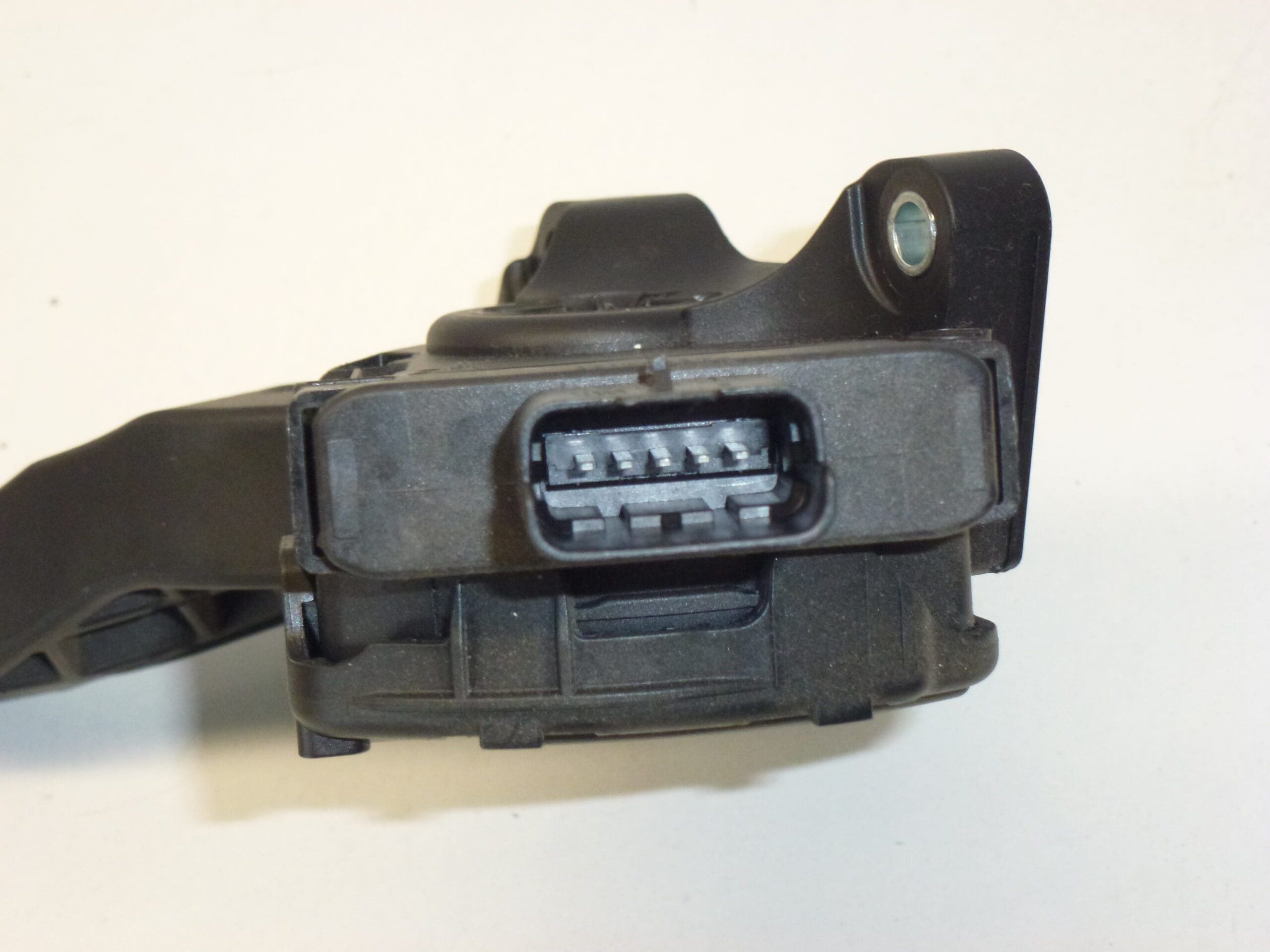
Accelerator Pedal For Citroën And Peugeot Vehicles.
Overview
This electronic accelerator (throttle) pedal is a direct-fit replacement designed for Citroën and Peugeot models. It provides accurate pedal position sensing for drive-by-wire systems, restoring smooth throttle response and reliable engine management. The part is commonly searched by product numbers 9681530380, 1601Y4 and 1601T6, making it easy for mechanics and DIY enthusiasts to find the correct replacement.
Technical Information
- Manufacturer: HELLA
- Model: Citroën C2, Citroën C3, Citroën C3 Pluriel, Peugeot 307
- Product Codes: 9681530380, 1601Y4, 1601T6
- Additional Numbers: 1601T6, 1601Y4, 9681530380
Compatibility
Fits various Stellantis platforms used on Citroën C2, C3 and C3 Pluriel as well as Peugeot 307. Always verify the part number against the existing component on the vehicle before ordering.
Function
The unit contains position sensors (usually hall-effect or potentiometric sensors) that convert driver pedal movement into an electrical signal sent to the engine control unit (ECU). In modern vehicles this signal controls throttle opening, cruise control and can interact with traction control and stability systems. A precise and responsive pedal ensures correct engine behavior and safe drivability.
Common Faults And Typical Lifetime
Electronic throttle pedals generally last many years, but failures can occur due to wear of internal sensors, contamination (dirt, moisture), connector corrosion or damage to the wiring harness. Symptoms of a failing pedal include erratic throttle response, reduced engine power, throttle warning lights or limp-home mode. Lifetime depends on usage and environment; high mileage and exposure to moisture accelerate sensor degradation.
Installation Recommendation
- Disconnect the battery before starting work and follow the vehicle manufacturer’s safety procedures to avoid damage to electrical systems and stored fault memory.
- Locate and remove the retaining bolts securing the pedal assembly, unplug the electrical connector, and replace with the new unit. Ensure connector pins are clean and fully engaged.
- After fitting, some vehicles may require throttle relearn or calibration via a diagnostic tool for correct idle and response. If you are unsure, perform a basic throttle check and read fault codes with an OBD-II scanner.
- Torque fasteners to manufacturer specification and check for correct pedal travel and smooth operation before road testing.
Why The Part Fails Most Often
Failures are most often caused by internal sensor wear, contamination from water or road grime, and connector or wiring corrosion. Mechanical impacts or improper handling during previous repairs can also damage the unit. Regular inspection of the pedal area and wiring can prevent unexpected faults.
Who Should Fit This Part
Suitable for professional mechanics and experienced DIYers comfortable with electrical connectors and basic calibration procedures. For vehicles that require advanced coding or adaptation after replacement, use professional diagnostic equipment or seek a qualified workshop.