Description
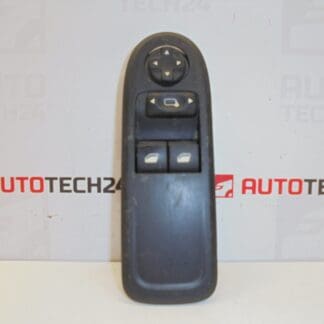
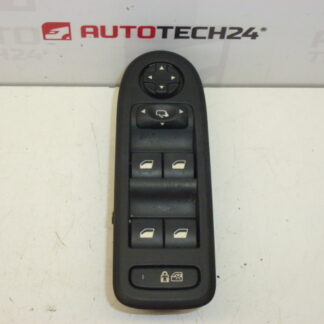
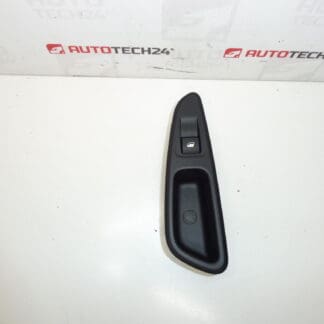
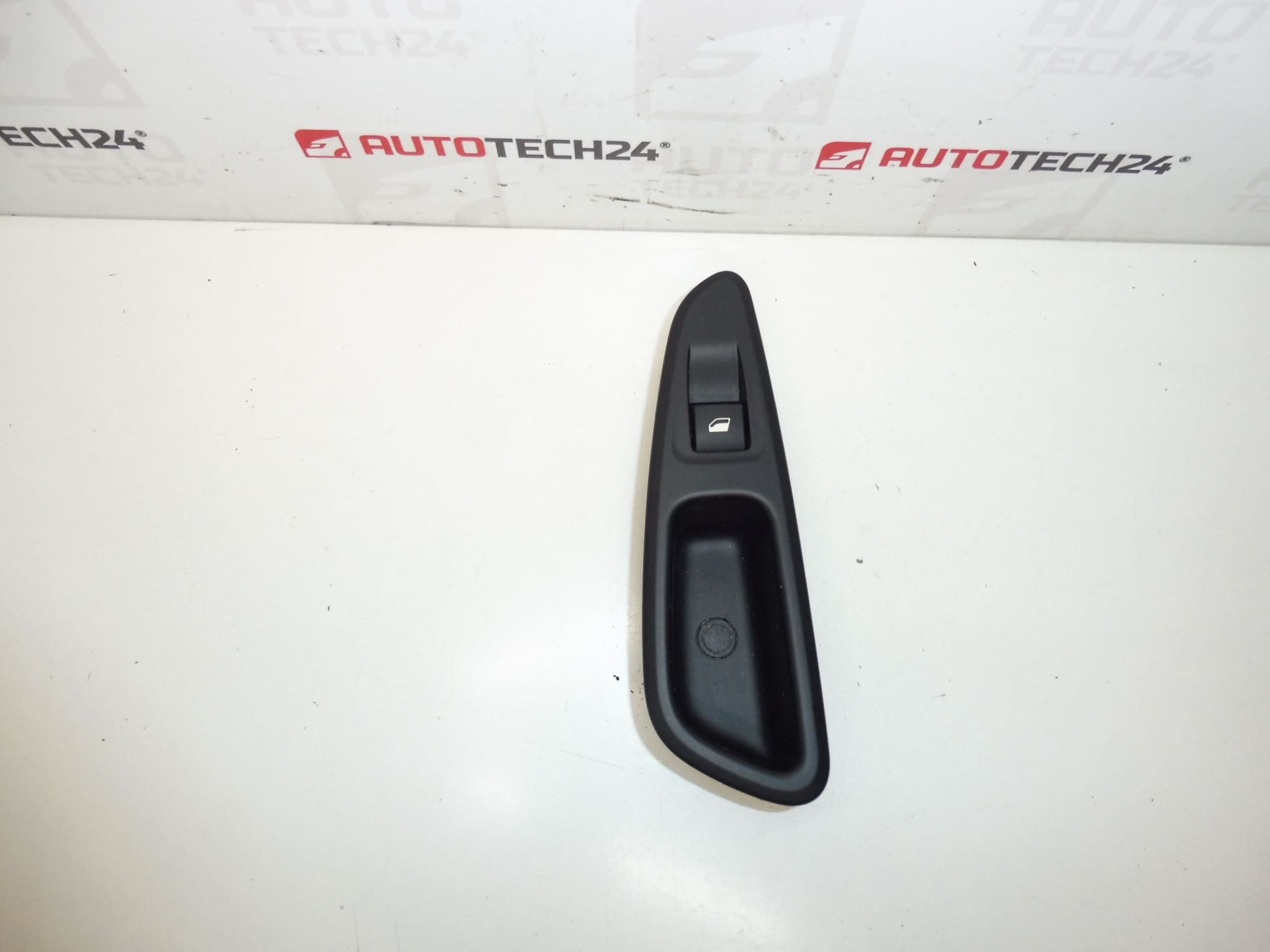
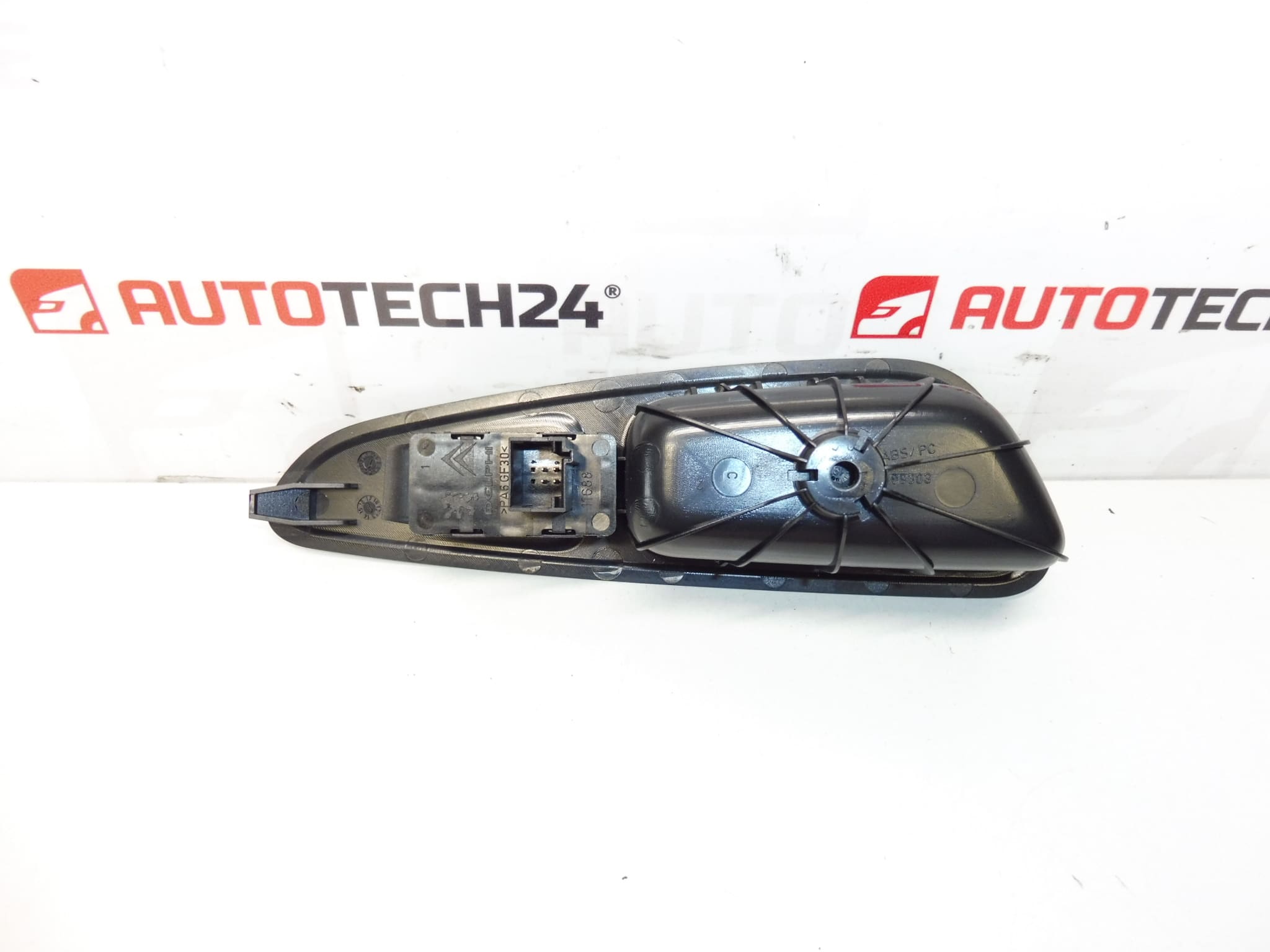
Window switch for Peugeot 308 T7. Rear, behind the front passenger. Shows signs of use.
OEM used right rear window switch designed for Peugeot 308 (T7) models. Supplied with original part codes 96573850XT / 649030, this switch offers a direct-fit replacement for workshops and DIY mechanics who need a reliable electrical control for the rear passenger window. The unit is supplied in used condition and is ideal when the original switch shows wear, intermittent contact or mechanical failure.
Technical Information
- Manufacturer: Stellantis (Peugeot/Citroën)
- Model: Peugeot 308 (T7) — Right Rear Door
- Product Codes: 96573850XT, 649030
- Other Numbers: 96573850XT | 649030
- Condition: Used (Shows Signs Of Use)
Function
The switch controls the electric window motor/regulator for the right rear door. It completes and interrupts the power circuit to the window motor when pressed, providing up/down control and, depending on vehicle equipment, may interface with the vehicle’s comfort logic for safety/lockout functions.
Replacement And Installation
Basic replacement steps for a competent mechanic or experienced DIYer:
- Disconnect the vehicle battery before starting to avoid short circuits and to protect electrical modules.
- Remove the inner door trim or switch bezel to access the switch—this usually requires removing screws and releasing plastic clips with a trim tool to avoid damage.
- Unplug the electrical connector and release any retaining clips securing the switch.
- Fit the replacement switch by reversing the removal steps. Reconnect the connector and test window operation before reassembling the door trim.
Recommended Tools And Time
- Trim removal tools, Torx/Phillips screwdrivers or appropriate bit set
- Small flat tool or pick to release retaining clips
- Multimeter for quick electrical checks (optional)
- Estimated labor time: 20–45 minutes depending on experience and trim complexity
Signs Of A Faulty Switch
- Window does not respond or moves intermittently when the switch is operated
- Required multiple presses to operate or the switch sticks
- Other doors/windows operate normally (isolating the fault to the switch or local wiring)
- Burnt smell or visible corrosion on the connector or switch contacts
Why The Part Most Commonly Fails
Window switches are high-cycle components exposed to frequent mechanical use and occasional moisture ingress. Common failure modes include worn electrical contacts caused by repeated operation, oxidation or corrosion from water entry (leaking window seals or door moisture), mechanical wear or broken internal plastic parts, and contaminated contacts due to dirt or spilled liquids. Intermittent operation is often the first symptom.
Installation Recommendation
Always disconnect the battery before removing or installing the switch and follow the vehicle manufacturer’s recommended procedure to avoid damage to electrical circuits and comfort/control modules. Inspect the connector and wiring for corrosion or damage and clean contacts if necessary before fitting the new switch. Test full function (up/down, child-lock or central locking interlocks if fitted) before final reassembly.