Description
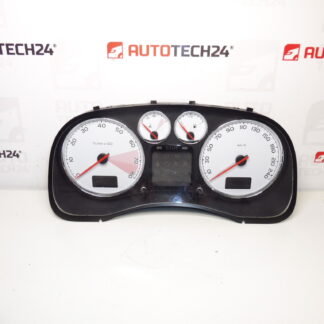
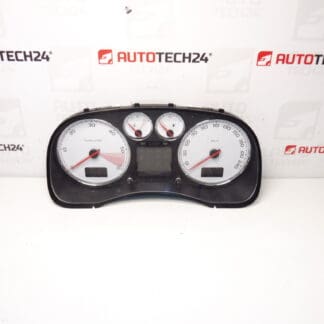
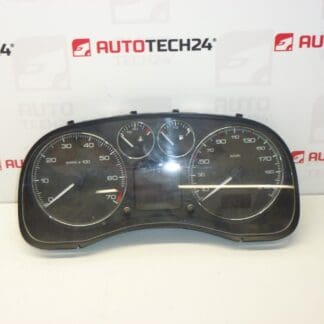
Speedometer for Peugeot 307 II. Removed from a vehicle with unknown mileage.
This genuine instrument cluster (speedometer) is intended for Peugeot 307 II and carries original part references commonly searched by mechanics and DIY enthusiasts. Ideal for quicker replacement when the factory unit is malfunctioning, the cluster displays vehicle speed, odometer information and includes the necessary warning indicators and backlighting. Supplied as a used unit, it helps restore dashboard functionality without the wait for long lead-time new parts.
Technical Information
- Manufacturer: Stellantis (Peugeot/Citroën)
- Model: Peugeot 307 II
- Product Codes: 9660470480, P9660470480, 6103L5, 6105T0
- Other Numbers: 129000, E01
Features and Function
The unit provides the primary driver information: vehicle speed readout and odometer/trip counters, along with indicator lights for engine, ABS, airbags and other systems. As an instrument cluster it typically integrates electronic components (stepper motors or integrated drivers) responsible for needle movement and digital display segments. Proper electrical connection and, in some cases, software compatibility with the vehicle’s immobilizer/BCM are required for full functionality.
Compatibility and Fitment
Designed for Peugeot 307 II models using the listed part numbers. When searching, many customers use the original part number (9660470480 / P9660470480) or manufacturer reference codes (6103L5 / 6105T0). Fitment is generally direct on vehicles equipped with the same cluster variant — check physical connector layout and mounting points when replacing.
Replacement Procedure
Basic replacement steps for experienced technicians or competent DIYers:
- Disconnect the negative battery terminal before any work to prevent electrical damage or airbag/immobilizer faults.
- Remove dashboard trim panels surrounding the cluster — use suitable trim tools to avoid damage.
- Unscrew the retaining screws securing the cluster and gently pull it forward to access the electrical connectors.
- Carefully unplug all connectors (note locking tabs) and remove the unit.
- Install the replacement cluster by reversing the removal steps; secure connectors and fasteners, reassemble trim and reconnect the battery.
- After installation, verify all gauges, warning lights and odometer display for correct operation before regular use.
Installation Recommendations
Work in a dry, well-lit environment and keep small screws and trim clips organized. Avoid forcing connectors — inspect connector pins for corrosion or damage before mating. If dashboard electronics behave unexpectedly after installation, perform a controlled power cycle (disconnect battery for a few minutes) and recheck connections. For vehicles with immobilizer or advanced body electronics, ensure any required initialization procedures are followed according to service documentation.
Most Common Causes Of Failure
Instrument clusters can fail due to worn stepper motors or drive components, degraded solder joints from thermal cycling, moisture ingress causing corrosion, and electrical surges or short circuits. Connector corrosion and damaged wiring are frequent causes of intermittent faults. Because clusters contain electronic modules and delicate mechanical parts, faults may appear as stuck needles, blank or partially lit displays, incorrect odometer readings or sporadic warning lights.
What You Get
Used Peugeot 307 II speedometer/instrument cluster as described with the above part numbers. Sold in the condition removed from the donor vehicle (mileage unknown). Ideal for repair shops and savvy DIYers looking for an OEM-fit replacement part.