Description
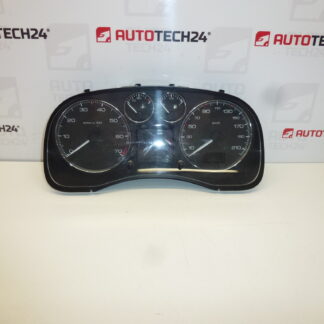
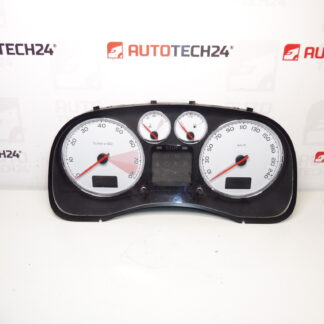
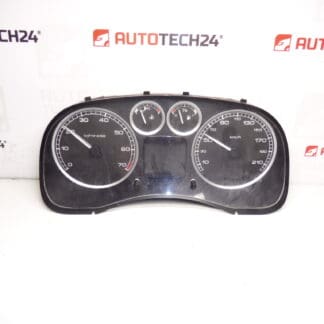
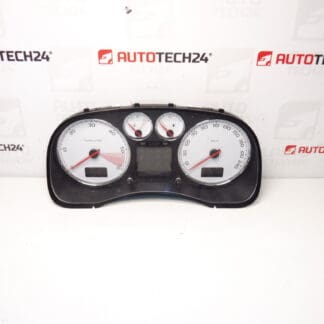
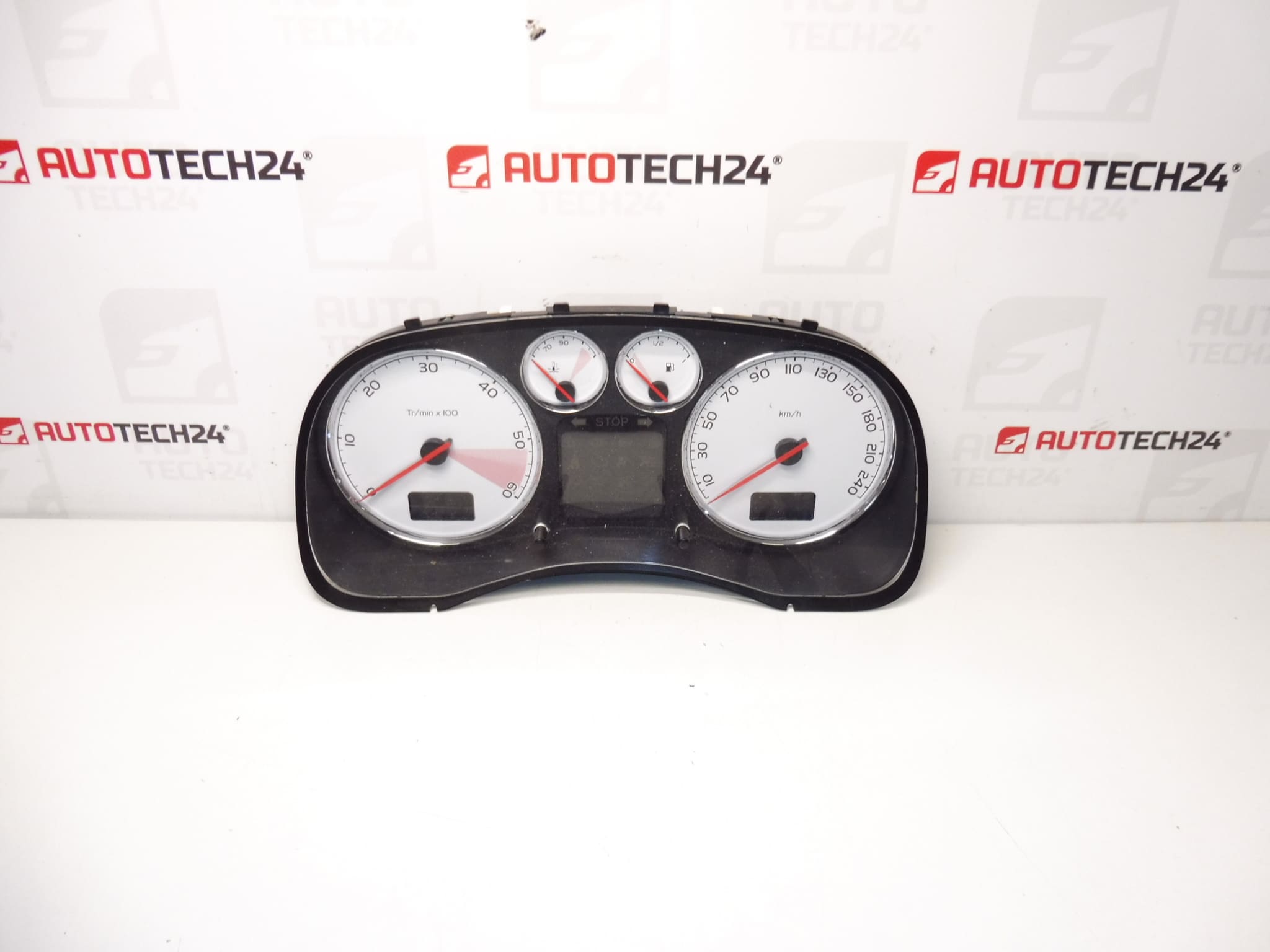
Tachometer instrument cluster for PEUGEOT 307 II. Mileage: 210000 km
Overview
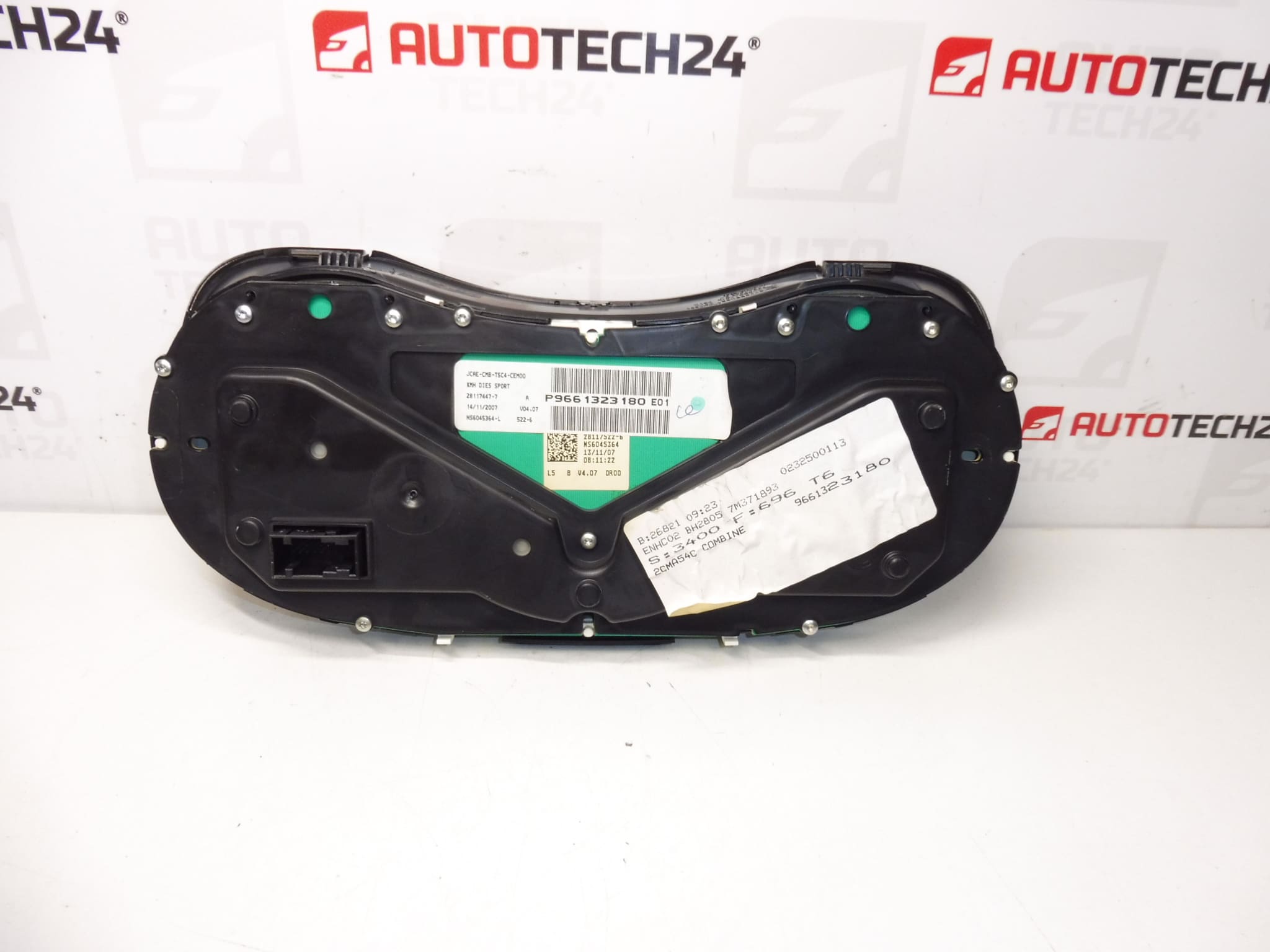
High-quality used instrument cluster (tachometer and gauge assembly) suitable for PEUGEOT 307 II. Ideal for professional workshops and experienced DIYers who search by part number. This unit is supplied with visible mileage of 210,000 km and carries manufacturer codes commonly referenced in Stellantis parts databases (9661323180, 6103L8, 6105T4). Replacing the cluster restores accurate tachometer, speedometer and dash warning indications when the original unit is faulty.
Technical Information
- Manufacturer: Stellantis (Peugeot)
- Model: Peugeot 307 II
- Product Codes: 9661323180, 6103L8
- Other Numbers: 6105T4, Mileage: 210000 km
Fitment
Designed for PEUGEOT 307 II instrument panel assemblies. This part is typically fitted to second-generation 307 dashboards; verify part numbers 9661323180 / 6103L8 / 6105T4 for exact match with vehicle trim and build to ensure compatibility.
Common Causes Of Failure
- Wear of stepper motors or mechanical gauge drives causing erratic or stuck needles.
- Failed backlight or damaged illumination LEDs leading to poor visibility at night.
- Electrical issues: corroded connectors, poor grounding or voltage spikes can disrupt gauge signals.
- Moisture ingress or heat-related damage affecting printed circuit board components.
- High mileage and general aging of internal components; mileage shown (210,000 km) confirms heavy use.
Replacement Procedure
Recommended steps for removal and installation (for experienced mechanics):
- Disconnect the negative battery terminal and wait a few minutes to ensure vehicle systems power down.
- Remove surrounding trim panels and lower steering column covers as required to access the cluster fasteners.
- Unscrew the cluster retaining screws and gently pull the assembly forward.
- Carefully unplug all wiring harness connectors, noting locking tabs to avoid damage.
- Install the replacement unit by reconnecting harnesses, refitting screws and trim, then reconnecting the battery.
- Verify all gauges, warning lights and illumination operate correctly before returning the vehicle to service.
Installation Recommendations
- Always disconnect the battery prior to disassembly to avoid short circuits and potential airbag system interference.
- Handle the cluster by its edges; avoid touching exposed PCB areas or connector pins.
- Check connector pins and wiring for corrosion or damage; repair any poor grounds or loose connections before installation.
- If the cluster shows electronic faults after installation, inspect vehicle wiring and sensor inputs (speed sensor, ignition signal) as these can cause incorrect readings.
- For mileage-sensitive work or diagnostics, ensure procedures comply with local regulations for odometer handling.
Why This Unit Is Useful
Replacing a faulty instrument cluster with a correctly coded and matching unit restores reliable dashboard information—critical for safe operation and accurate vehicle diagnostics. Searching by part numbers 9661323180 and 6103L8 increases the chance of finding the correct fitment quickly, reducing vehicle downtime in a workshop environment.