Description
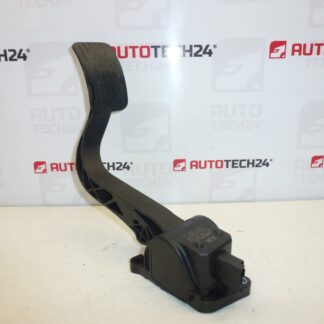
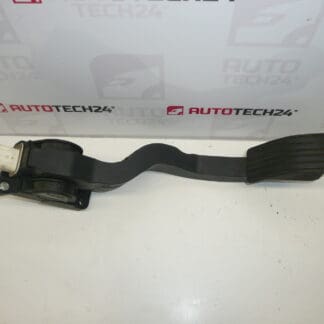
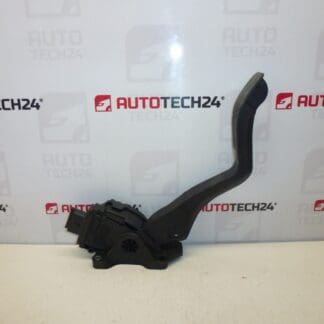
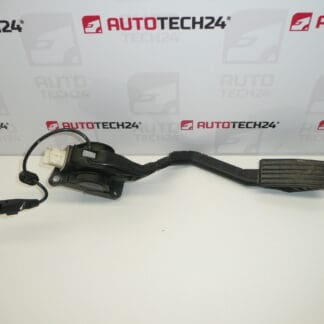
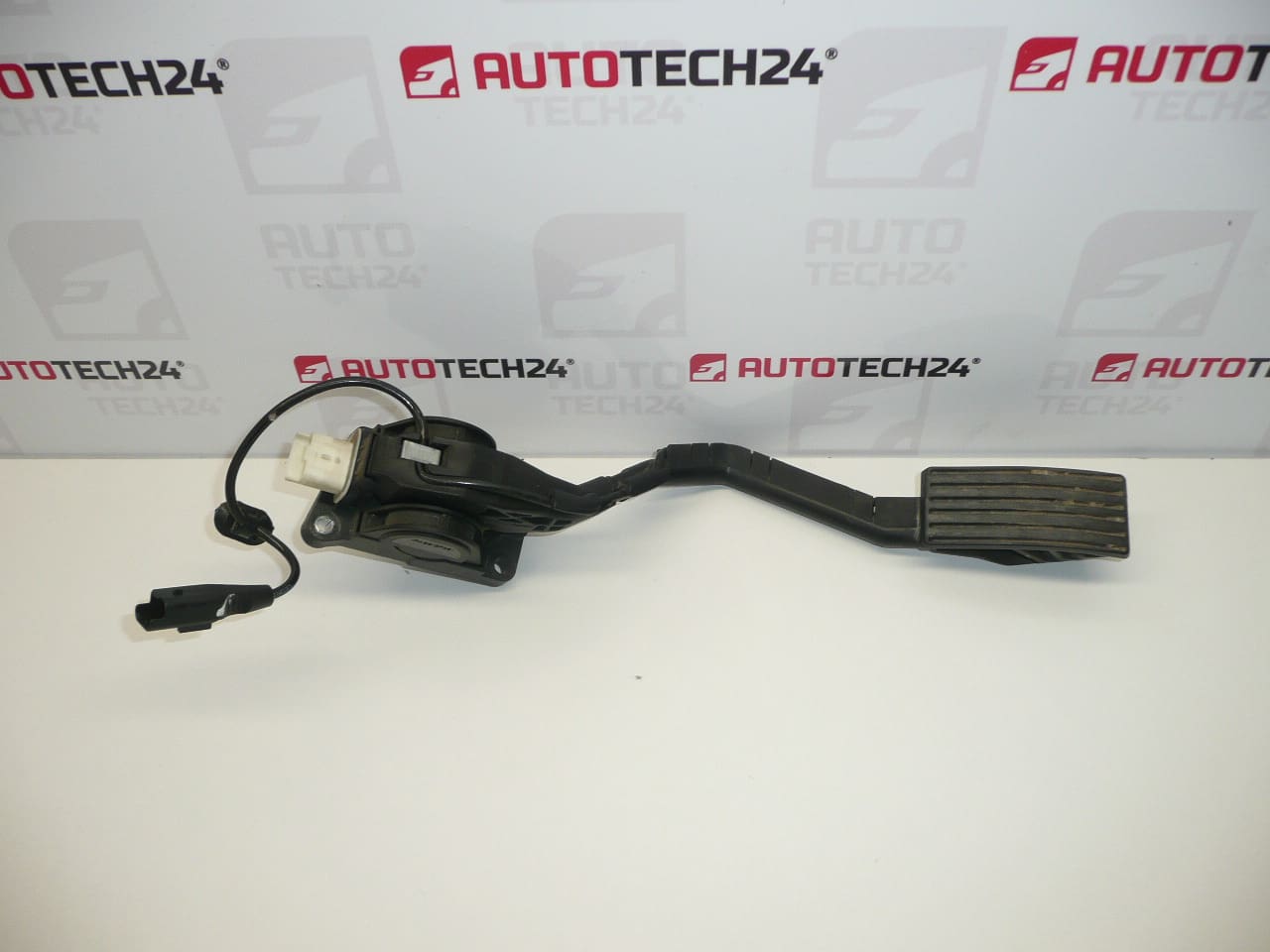
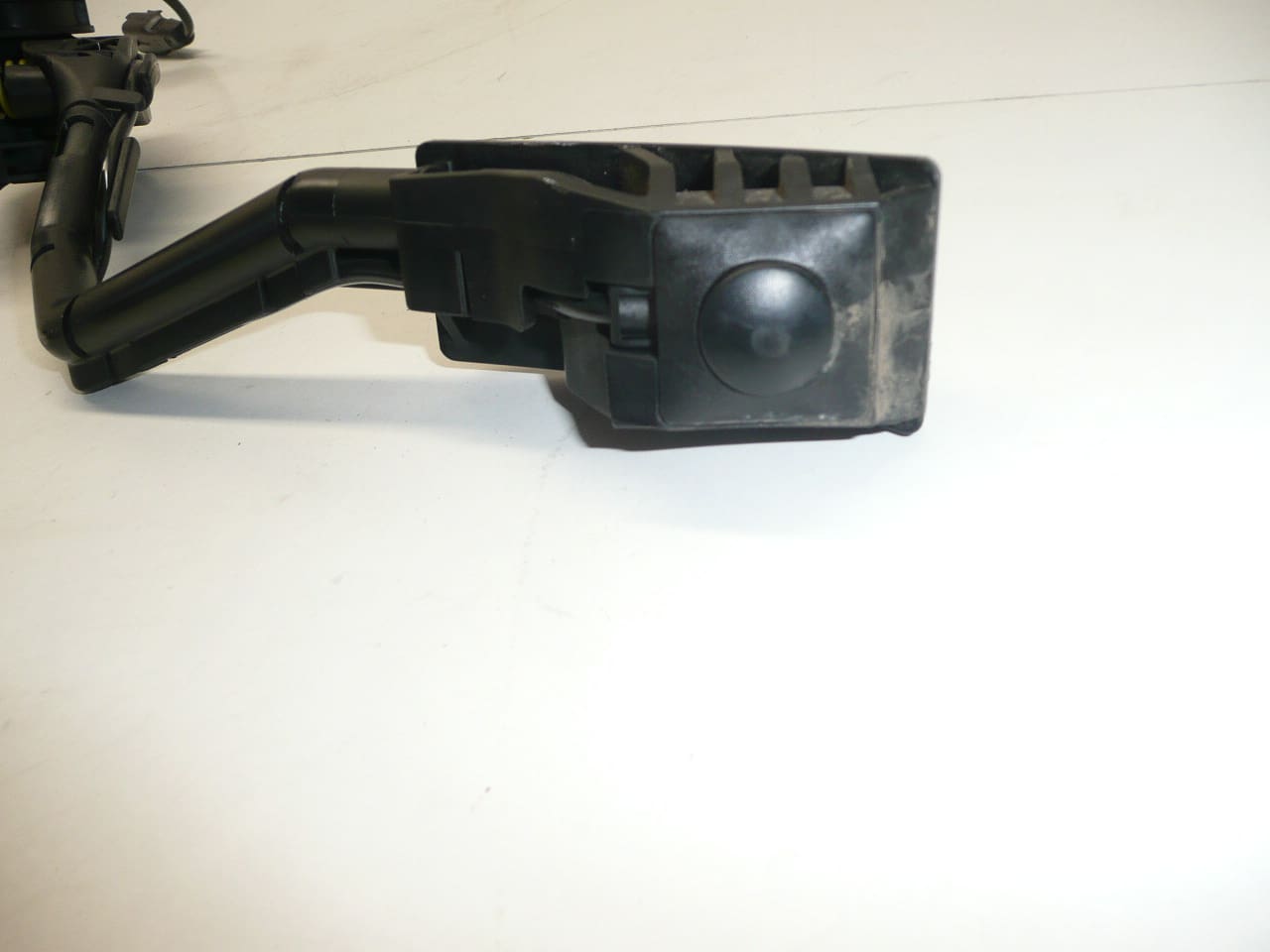
Accelerator pedal potentiometer for CITROËN C5 2002–2007 and PEUGEOT 407. With cruise control sensor – kickdown. Tested – all values OK.
This Bosch accelerator pedal assembly (throttle potentiometer) is a direct-fit solution for Citroën C5 (2002–2007) and Peugeot 407 models where the electronic throttle and cruise/kickdown sensor are integrated in the pedal unit. Designed to restore precise throttle response and reliable cruise control operation, the unit is commonly sought under OEM and Bosch reference numbers (see technical section). Ideal for professional workshops and experienced DIY mechanics who search by part number when repairing drive-by-wire systems.
As an electronic component that translates pedal travel into a throttle signal, this potentiometer assembly ensures smooth acceleration feedback and accurate kickdown input for automatic transmissions. The pedal communicates with the engine management and cruise systems; symptoms of a failing unit include intermittent throttle response, cruise control faults, fault codes stored in the ECU, or limp-home behavior.
Technical Information
- Manufacturer: Bosch
- Model: Citroën C5 (2002–2007); Peugeot 407
- Product Codes: 0280755012; F00C3E2429; 1601Q4; 1601Q0
- Other Numbers: 9650341780; 280755012
Installation Recommendations
- Safety First: Always disconnect the battery before starting work to avoid electrical damage and accidental throttle activation.
- Removal: Remove lower dash or footwell trim as required to access the pedal. Unplug the electrical connector and remove the retaining bolts holding the pedal assembly to the pedal carrier or bracket.
- Fitment: Fit the replacement pedal in the same orientation, secure bolts to the manufacturer’s recommended torque, and ensure the electrical connector is fully engaged and locked.
- Post-Installation: Clear any stored fault codes and perform a functional check of throttle response and cruise control. Some vehicles may require an adaptation or basic throttle relearn with diagnostic equipment to restore optimal response.
- Tooling: A basic set of hand tools is sufficient for mechanical swap; for fault-code clearing and adaptation, use appropriate diagnostic tools available at garages.
Why This Part Commonly Fails
- Wear Of Internal Potentiometer Contacts: Repeated pedal movement over years causes contact wear or drift, producing inaccurate position signals.
- Contamination And Moisture: Dirt, water ingress or corrosion in the connector or housing can lead to intermittent signals or complete failure.
- Mechanical Stress: Excessive force, impact, or misaligned installation can damage the sensor housing or linkage.
- Wiring And Connector Issues: Chafed wires or poor connector contacts can mimic a faulty pedal sensor.
Notes: Always follow the vehicle manufacturer’s repair manual for removal and installation procedures. After fitting, verify operation under real driving conditions—check smooth throttle response, absence of error codes, and proper cruise/kickdown function.