Description
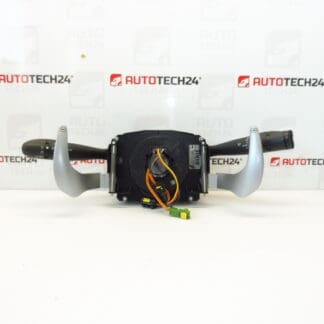
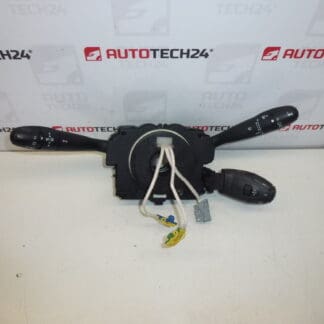
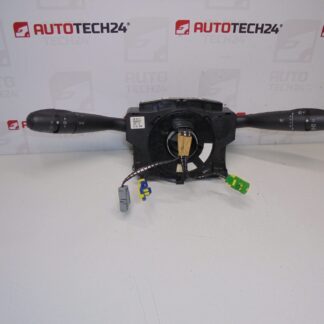
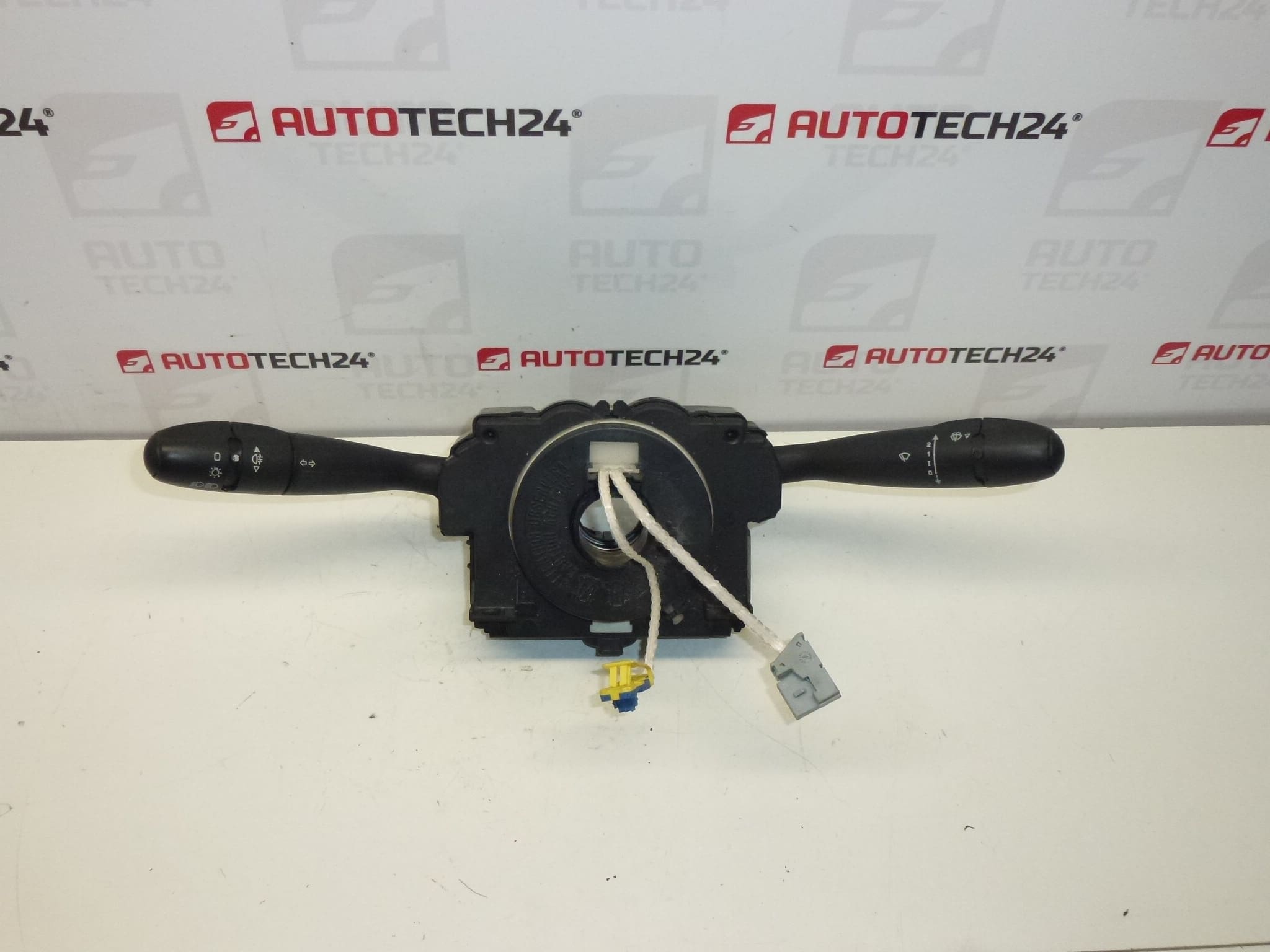
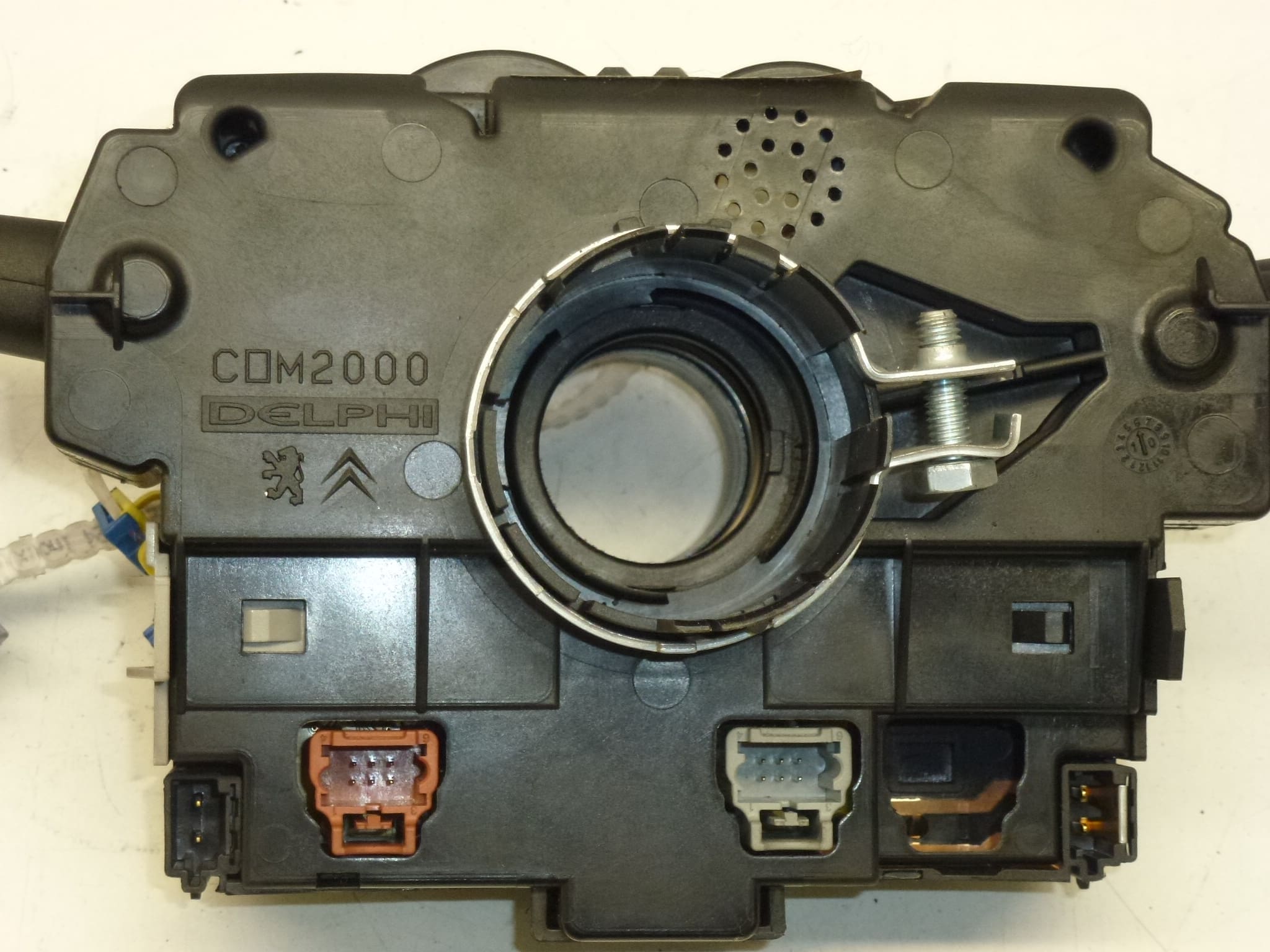
Multifunction COM2000 stalk block for Citroën and PEUGEOT vehicles. Controls headlights, fog lights, car radio, cruise control (radio control must be supplied or transferred), and front wipers.
Product Overview
This multifunction COM2000 control block is designed for Citroën and Peugeot vehicles and integrates a range of steering-column controls: lighting, fog lights, radio controls, cruise control and front wiper functions. The unit is commonly fitted on models from the PSA/Stellantis group and is often referenced by several OEM part numbers listed below. Ideal for professional workshops and experienced DIY mechanics who maintain or restore steering-column functionality.
Technical Information
- Manufacturer: Stellantis (Citroën / Peugeot)
- Model: Citroën Berlingo II, Peugeot 206, Peugeot Partner II (and other compatible PSA models)
- Product Codes: 96663031XT, 96787365XT, 96787376XT, 624232, 6242XX
- Additional Numbers: 6239Q0, 96446859XT, 96446859ZL, 96509714XT, 96530923XT, 96574404XT, 96605678XT, COM2000
Compatibility
Fits a range of PSA/Stellantis vehicles. Commonly found on Citroën Berlingo II and Peugeot 206 / Partner II models. Compatibility depends on part number and vehicle equipment level — always check listed product codes against the vehicle’s installed part number before ordering.
Function And Common Faults
Function: The COM2000 unit consolidates several stalk and steering-column functions into one module: exterior lighting and indicators, fog lights, front wipers and intermittent control, radio steering-wheel controls, and cruise control activation. It routes signals to body and engine management systems and houses mechanical/electrical switches and contact sets.
Why It Fails: Common failure causes include moisture ingress and corrosion, worn or oxidized contact surfaces, internal solder joint fatigue, mechanical wear of stalk switches, and electrical transients or short circuits. Symptoms typically include intermittent or complete loss of lighting/wiper functions, non-responsive radio controls on the steering wheel, or faulty cruise control activation.
Typical Lifespan and Symptoms: Lifespan varies with use and environment; failures often occur after many years or high mileage, especially where water leaks or corrosion are present. First signs are intermittent operation, sticky or noisy stalks, or multiple functions failing simultaneously.
Replacement Procedure
- Ensure the vehicle is parked, ignition off and the battery disconnected before starting work to avoid short circuits and prevent airbag/system faults.
- Remove steering column trim covers (retain screws and clips). Note positions of any connectors and fasteners.
- Disconnect the COM2000 electrical connectors carefully (release locking tabs) and remove the module from its mounting points.
- If required, transfer mechanical stalks, trim pieces or the radio control stalk from the old unit to the replacement unit—some components are vehicle-specific.
- Install the new unit, reconnect connectors and reassemble trim. Reconnect the battery and verify all functions (lights, wipers, radio controls, cruise control).
- If features remain inoperative or error messages appear, diagnostic reading and adaptation may be required.
Installation Recommendations
- Always disconnect the battery before beginning work and follow manufacturer safety procedures to protect electronic modules and airbags.
- Keep connectors and pins clean and dry. Inspect wiring harness and connectors for corrosion or damage and repair as needed.
- Use correct tools for removal of steering-column covers to avoid breaking plastic clips. Retain all fasteners in original positions.
- If the replacement unit has a different part number, professional diagnosis and coding with PSA-level diagnostic equipment (DiagBox/Lexia/PP2000) may be necessary to restore some functions or remove fault codes.
- Test all functions after installation and clear any stored fault codes following the manufacturer’s procedure.
Why Professionals Recommend Care
COM2000 units integrate electrical and mechanical systems near airbag and steering assemblies. Incorrect handling can create additional faults or safety issues. For reliable results, fitting by an experienced technician or an informed DIYer following the correct procedures is recommended.