Description
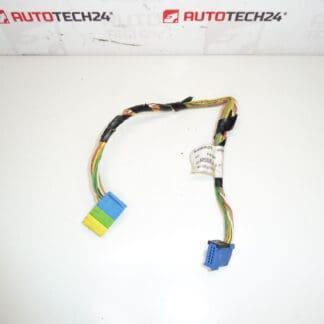
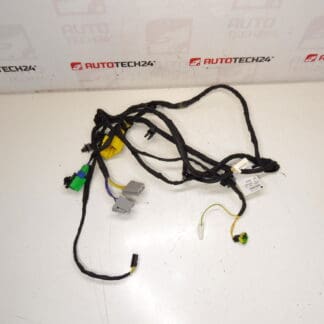
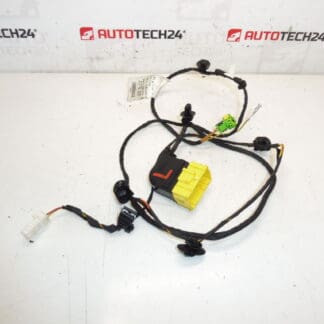
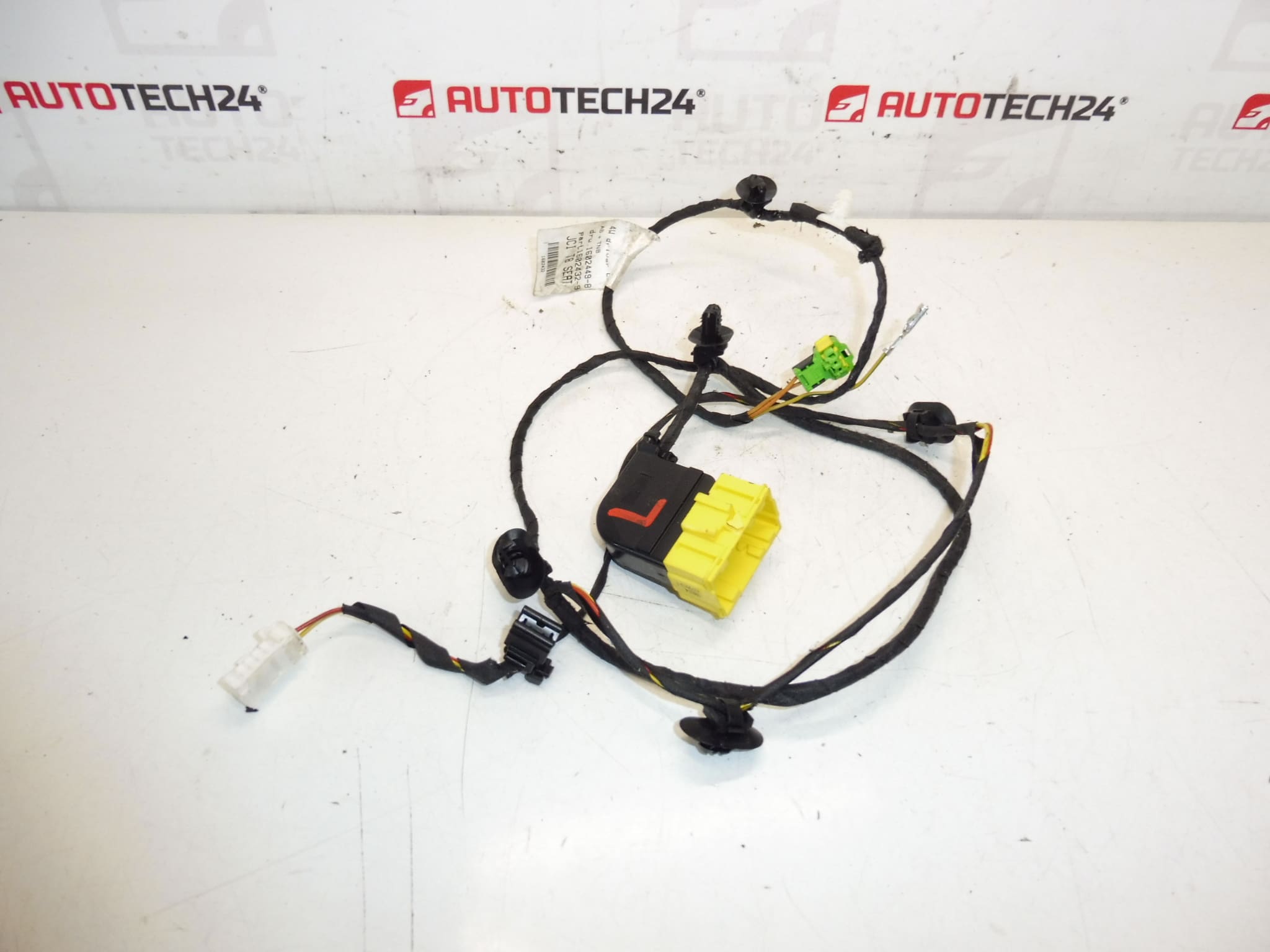
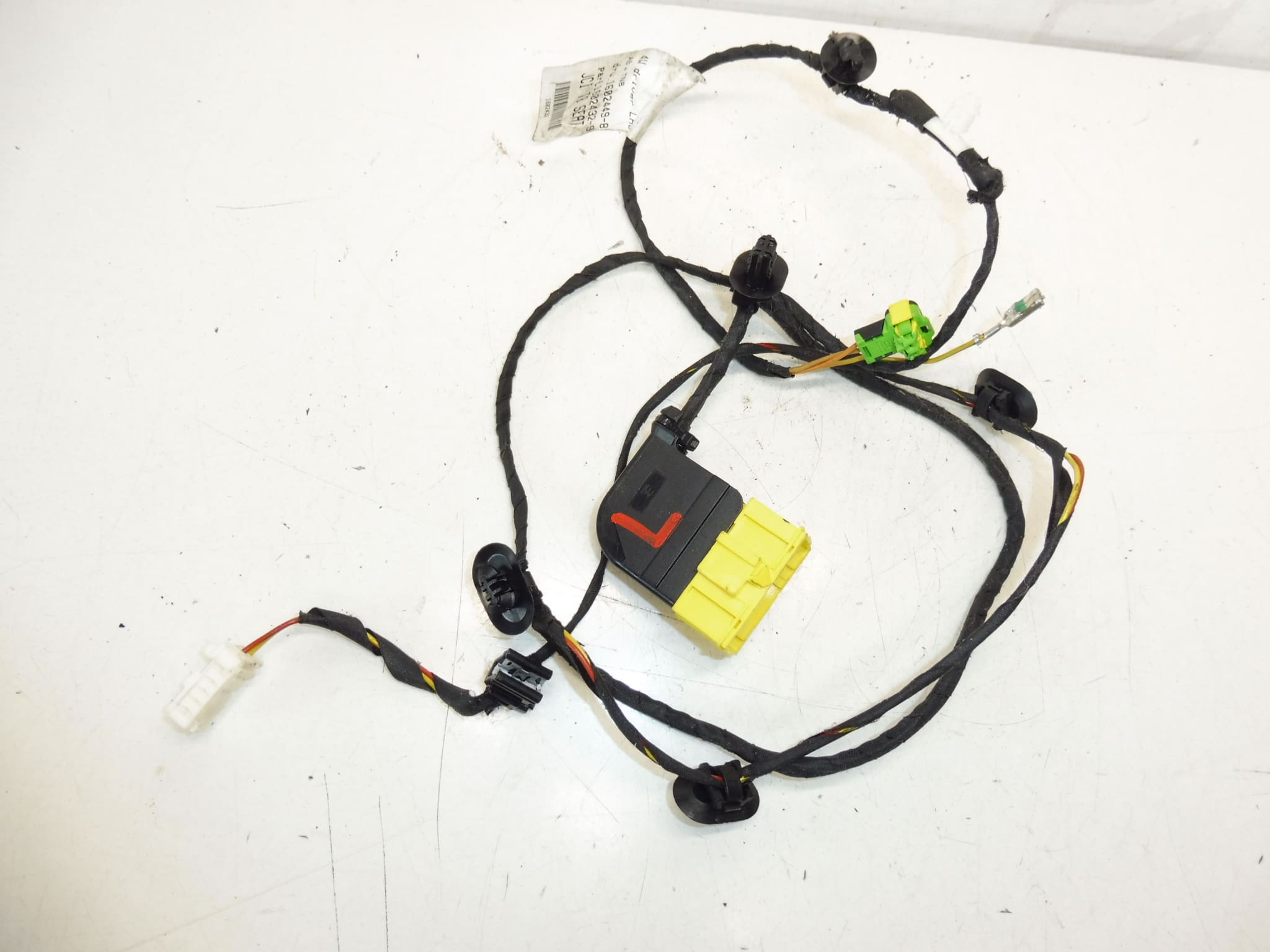
Complete front driver’s seat harness for first series Peugeot 3008 and 5008 cars
Part description
This used driver’s seat wiring harness is for Peugeot 3008 I and Peugeot 5008 I cars. It is an important electrical component that ensures the connection of the individual electrical functions of the seat. Parts of this type are also often searched by product number, in this case 6545XR.
The harness is suitable for repairing damaged cabling, replacing a non-functioning original harness or as a replacement for faults caused by broken wires, worn connectors or mechanical stress during long-term use of the seat. For auto mechanics and home DIYers, the possibility to preserve the original connection design without the need for unprofessional interventions in the car’s electrical installation is an advantage.
Technical information
- Manufacturer: Stellantis Citroën Peugeot
- Model: Peugeot 3008 I, Peugeot 5008 I
- Other numbers: 6545XR
Product codes
Installation recommendations
For this part, the exact replacement procedure may vary depending on the specific car design and seat equipment. However, in general, the following recommendations apply to replacing the seat harness.
1) Before assembly
- Check that the product number 6545XR and the overall design of the harness match the old part.
- Compare the number of connectors, their shape, the length of the cabling and the routing of the individual branches.
- Inspect the wire insulation for damage, breakage, or excessive abrasion.
- Check the condition of the connectors, latches and contacts so that they are not deformed or dirty.
- Disconnect the battery and wait a reasonable time before working, especially if there are related electrical components of the car around the seat.
2) Necessary tools and materials
- A common set of hand tools
- Tool for removing plastic covers
- Cleaning agent for electrical contacts
- Protective gloves
- Suitable lighting of the work area
- Tie straps or fasteners if needed to guide the bundle securely
3) Step-by-step assembly procedure
- Secure the vehicle against movement and disconnect the battery.
- Access the seat area and the existing harness according to the design of the specific car.
- Carefully remove covers or other parts that prevent access to the wiring.
- Document the original cable routing and connector position, such as photographs.
- Disconnect the individual connectors of the old harness without force to avoid damaging the latches.
- Release the bundle from all brackets, clamps and guide points.
- Compare the original and the new part side by side, whether they match in length, branching and connectors.
- Place the new harness in the same route as the original part, taking care to properly route it away from the moving parts.
- Connect all connectors in a firm but gentle manner so that they click properly.
- Secure the wiring in the holders and verify that there is no tension, kink or possible friction anywhere.
- Reinstall all covers and removed interior parts.
- When finished, connect the battery and check the functions related to the seat.
-
4) Post-assembly checks and function verification
- Check that the wiring does not interfere with the normal movement of the seat.
- Verify that the connectors hold firmly and do not show play.
- Try out all the available seat-related features that are present on the car.
- After a short period of use, visually verify again that the bundle remains properly stored and is not under stress.
5) The most common assembly mistakes + how to avoid them
- Exchanging connectors – before disconnecting, mark the individual positions or take photos.
- Bad wiring – route the harness the same way as the original part, away from movement areas and sharp edges.
- Damage to connector latches – do not use excessive force when disconnecting or connecting.
- Insufficient fixing – check all clamps and fixing points to ensure that the wiring does not come loose.
- Assembly without checking the condition of the part – always check the insulation, contacts and overall condition of the harness before installation.
Reasons why the part is damaged
- Repeated movement of the seat and long-term mechanical stress on the cabling
- Breaking of wires in stressed places
- Insulation damage by rubbing against the structure or other parts of the interior
- Contamination or oxidation of electrical contacts
- Unprofessional previous repair of wiring
- Pulling out or straining the bundle when disassembling the seat or interior parts