Description
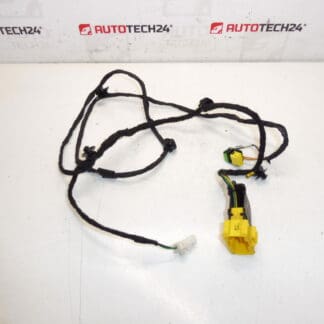
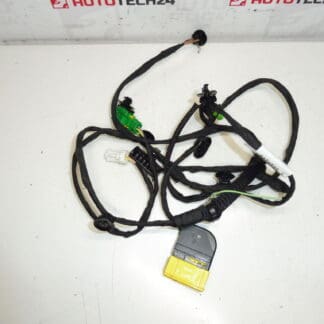
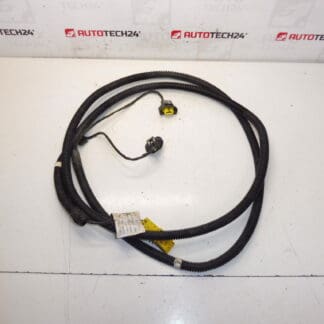
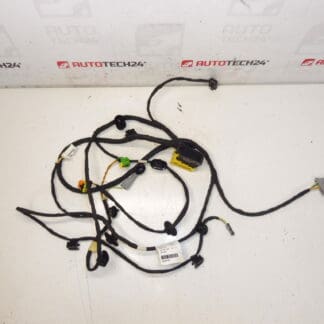
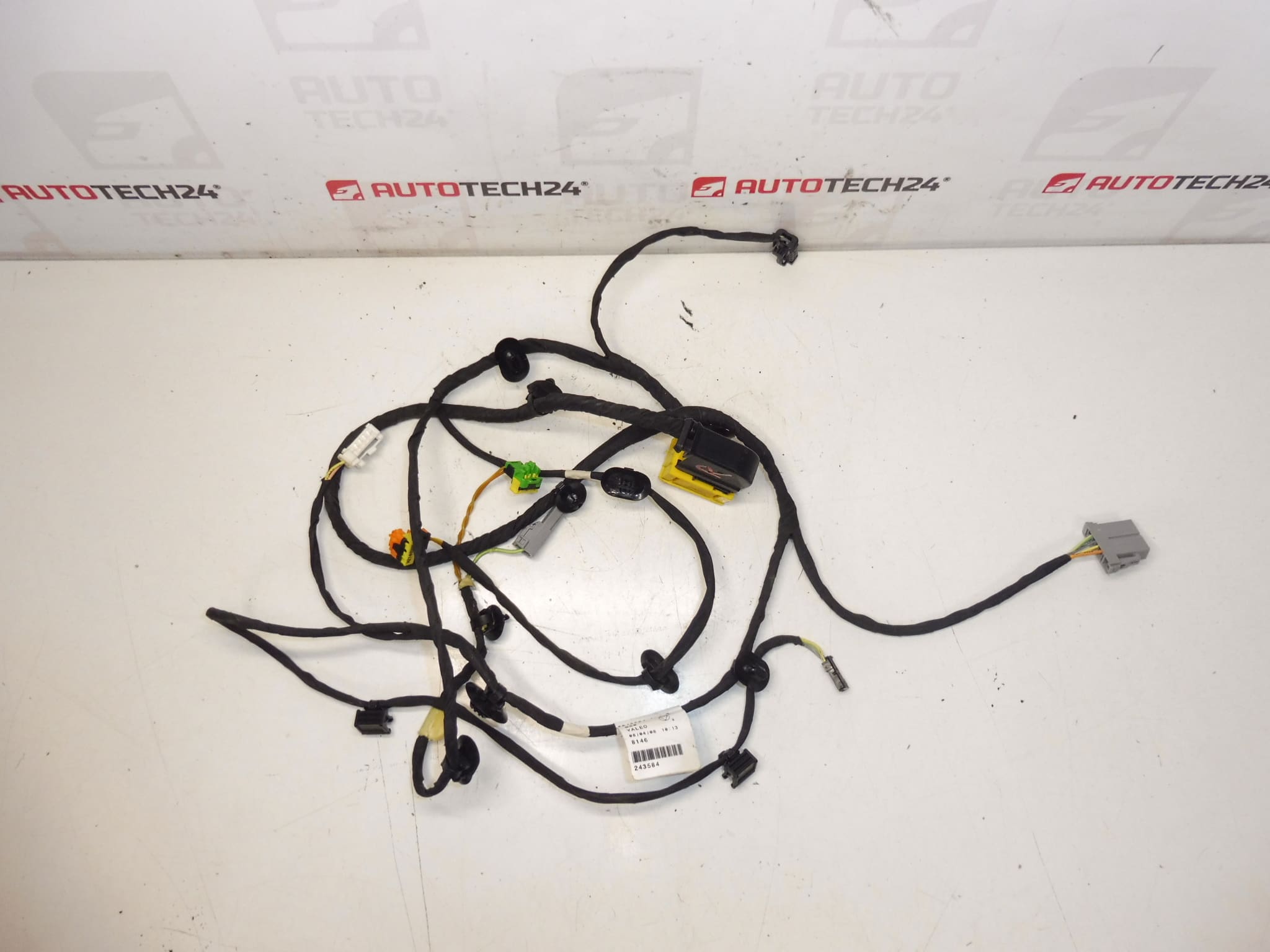
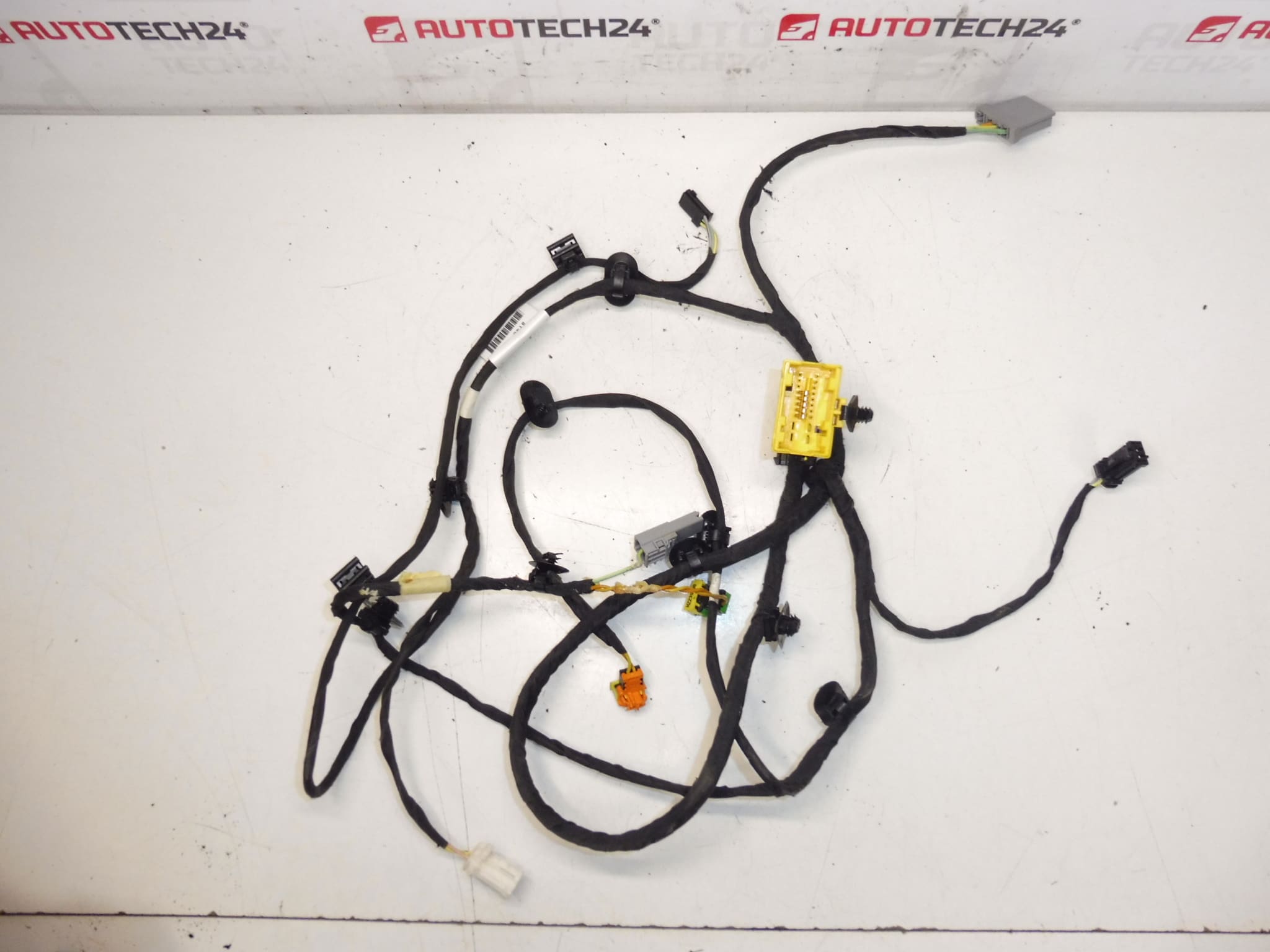
Complete front passenger seat wiring harness for Citroën C4 Picasso. Controls seat heating and airbag.
Product Overview
This wiring harness is a complete front passenger seat loom designed for Citroën C4 Picasso models. It integrates the electrical circuits for seat heating and the passenger airbag connection, including the necessary connectors and mounting points. The harness is intended for replacement of damaged or worn original seat wiring to restore safety and comfort functions.
Fitment And Application
Intended For: Citroën C4 Picasso (commonly fitted to first generation C4 Picasso models). Always compare part numbers to the original harness on the vehicle. Typical applications include vehicles where seat heating no longer operates or where the airbag warning lamp indicates a passenger airbag circuit fault.
How It Works
The harness carries power and signal lines between the vehicle wiring loom and the passenger seat modules. Key functions covered by this harness include:
- Seat Heating: Supplies power to the heating elements in the seat cushion and backrest and routes control signals from the cabin switches.
- Passenger Airbag: Provides the electrical connection for the passenger airbag module and the passenger presence sensor circuits where applicable.
How To Replace
Replacement requires basic mechanical skills and attention to safety due to the airbag circuit. Typical procedure:
- Disconnect The Battery And Wait: Always disconnect the negative battery terminal and wait several minutes to allow capacitors in the restraint system to discharge before touching airbag connectors.
- Remove Seat: Unbolt and move the seat to gain access to the underside and seat rail covers. Note bolt torque and position.
- Unplug Connectors: Carefully release and unplug all electrical connectors under the seat, observing any locking tabs to avoid damage.
- Remove Old Harness: Detach clips and routing ties, remove the old harness from seat frame and rails.
- Fit New Harness: Route the new harness following original paths, secure with clips/ties, connect all plugs and ensure connectors are fully engaged and locked.
- Refit Seat And Test: Reinstall the seat, reconnect the battery, and verify seat heating operation and that the airbag warning light behaves correctly (no persistent fault lamp).
Installation Recommendations
– Work In A Clean, Static-Free Area And Follow Safety Rules For SRS Systems.
– Use Correct Tools To Release Connector Locks Without Damaging Pins.
– Protect The Harness From Sharp Edges And Moving Parts; Use Additional Sleeving Or Tape Where Needed.
– After Installation, Perform Basic Function Checks: Seat Heater Operation And Airbag Indicator. If A Fault Code Persists, Read Faults With Appropriate Diagnostic Equipment.
Technical Information
- Manufacturer: Valeo
- Model: Citroën C4 Picasso
- Product Codes: 6505W1, 5243584, 243584
- Additional Numbers: NFP
Why The Part Fails
Common causes of wiring harness failure include abrasion where the harness rubs on seat frame or rail, connector corrosion from moisture ingress, damage from previous repairs or seat removal, and rodent chewing. Repeated seat movement can fatigue wires and break insulation, producing intermittent faults or complete loss of heating and airbag signal continuity.
Recommended For
This harness is suitable for professional workshops and experienced DIY enthusiasts who are comfortable working with vehicle electrical systems and SRS safety components. Proper handling and following safety steps are essential to avoid damage to the restraint system.
Why Choose This Part
Replacing a defective seat harness restores seat heating functionality and eliminates airbag circuit faults caused by damaged wiring or connectors. Using a correctly matched harness with the right connectors ensures reliable electrical contact and simplifies reinstallation.
Notes
Compare The Listed Product Codes With The Original Part To Confirm Fitment. If Diagnostic Trouble Codes Remain After Replacement, Use Appropriate Diagnostic Equipment To Clear And Verify The System.