Description
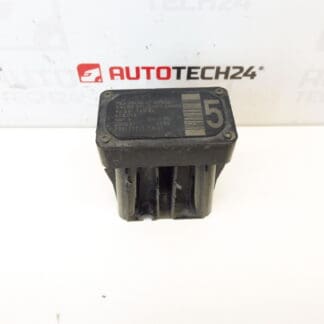
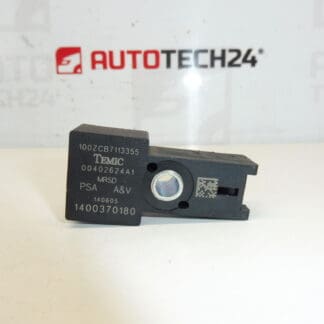
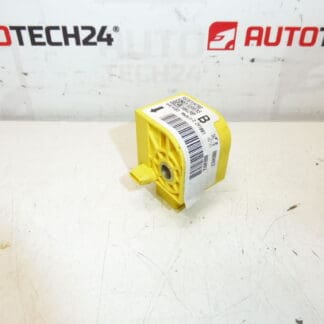
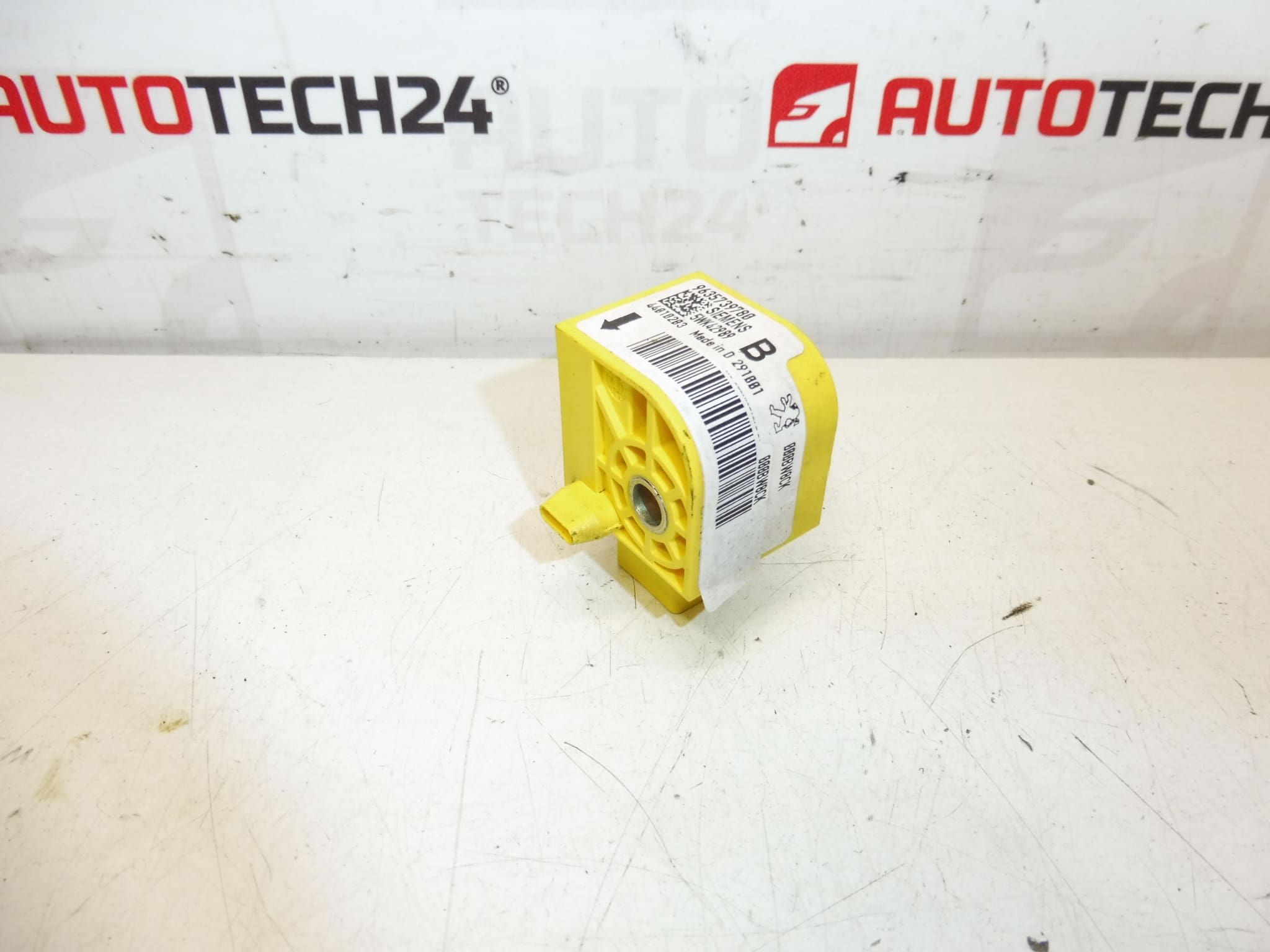
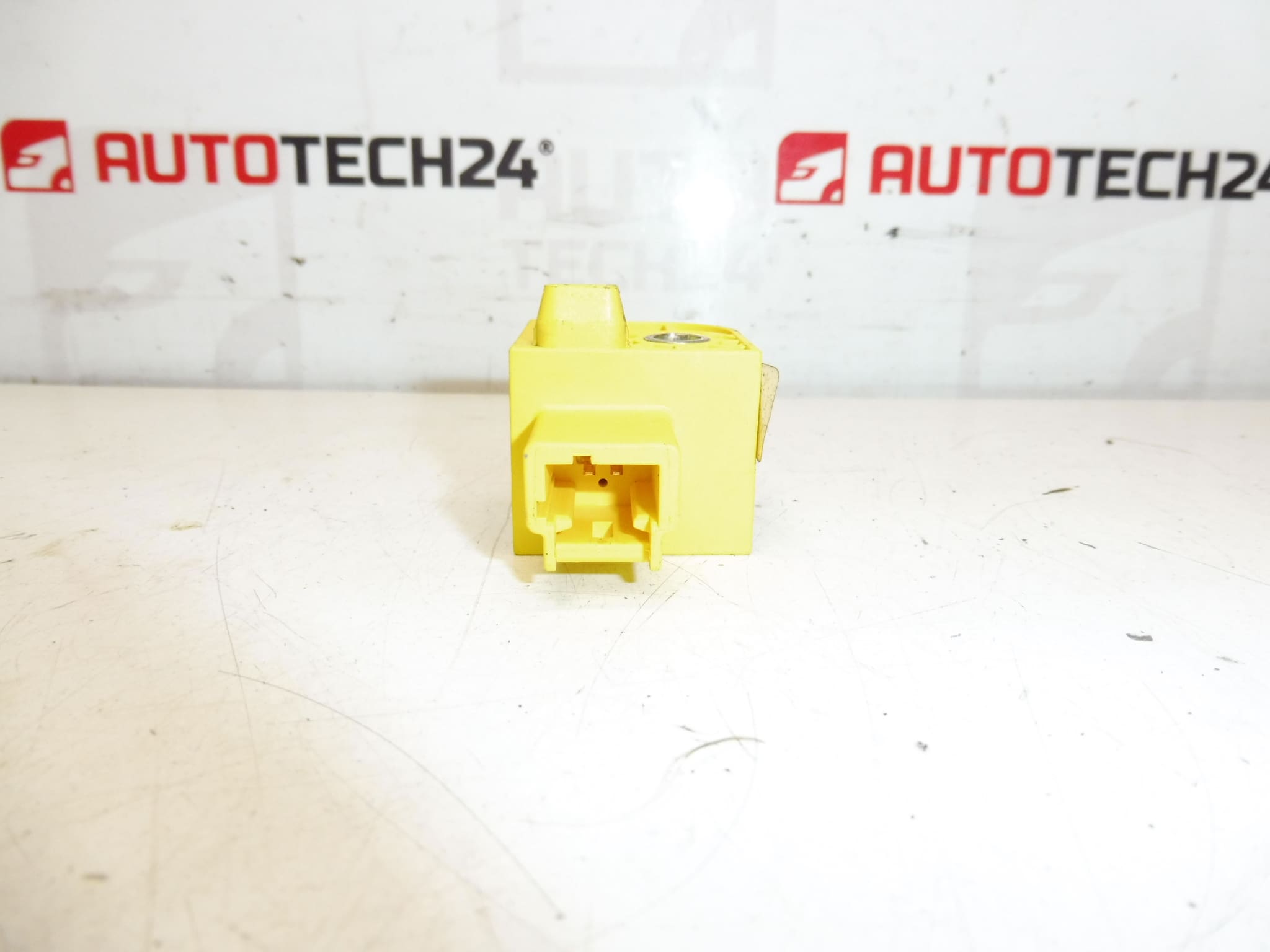
Siemens Acceleration Sensor For Peugeot 307 First Generation.
Overview
This Siemens acceleration sensor (G-sensor) is designed for Peugeot 307 first generation models. It measures longitudinal and/or transverse acceleration and supplies the vehicle’s safety and stability control systems with precise motion data. The unit is frequently referenced by product codes 9635739780, 5WK42989 and 8216AL, so customers often search using these numbers.
Key Benefits
- Direct fit for specified Peugeot 307 applications—reduces diagnostic time for mechanics.
- Provides stable, consistent acceleration data for ABS/ESP and other vehicle control modules.
- Ideal for professional workshops and experienced DIY technicians familiar with Peugeot systems.
Technical Information
- Manufacturer: Siemens
- Model: Peugeot 307 First Generation
- Product Codes: 9635739780, 5WK42989, 8216AL
- Other Numbers: NFP (as noted in seller data)
Function And Application
The acceleration sensor converts vehicle acceleration into an electrical signal used by control modules responsible for stability, braking and occupant safety. Typical applications include ABS/ESP signal input and crash/impact sensing logic in restraint systems. Correct operation is essential for reliable stability control and accurate event detection during faults or collisions.
Replacement Procedure
Suitable for both professional mechanics and competent DIYers. General replacement steps:
- Disconnect the vehicle battery before starting work to avoid electrical damage and accidental airbag deployment.
- Locate the sensor—commonly mounted near the vehicle center, under the center console, behind trim panels or under the dashboard depending on chassis layout.
- Remove any trim or fasteners to access the sensor. Unplug the electrical connector and remove mounting fasteners.
- Install the new sensor in the correct orientation. Reconnect the connector and refit trim panels.
- Reconnect the battery and perform sensor calibration/zeroing with an appropriate diagnostic tool (DiagBox or a compatible scan tool that supports Peugeot/PSA protocols) if required by the vehicle system.
Installation Recommendations
- Always disconnect the battery before removal and follow the vehicle manufacturer’s safety procedures.
- Handle the sensor carefully—avoid drops and strong impacts that can change internal calibration.
- Ensure connectors and wiring are corrosion-free and securely seated. Clean contact surfaces if necessary.
- Perform post-installation calibration or self-test using a diagnostic tool to clear fault codes and confirm correct sensor output.
Why The Part Most Commonly Fails
Acceleration sensors are generally robust but can fail due to water ingress, connector corrosion, electrical overstress, physical impact from collisions, or damage during previous repairs. Faulty wiring or intermittent connector contact may also produce erratic signals and trigger warning lights or degraded system performance.
Notes For Mechanics
Because this part is often located inside the passenger compartment, pay attention to trim removal to avoid damage. After replacement, verify fault memory in the related control units and run calibration/self-test procedures to ensure the new sensor is correctly read by ABS/ESP or airbag systems.