Description
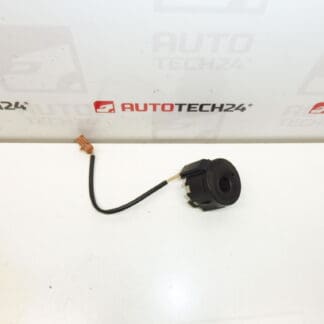
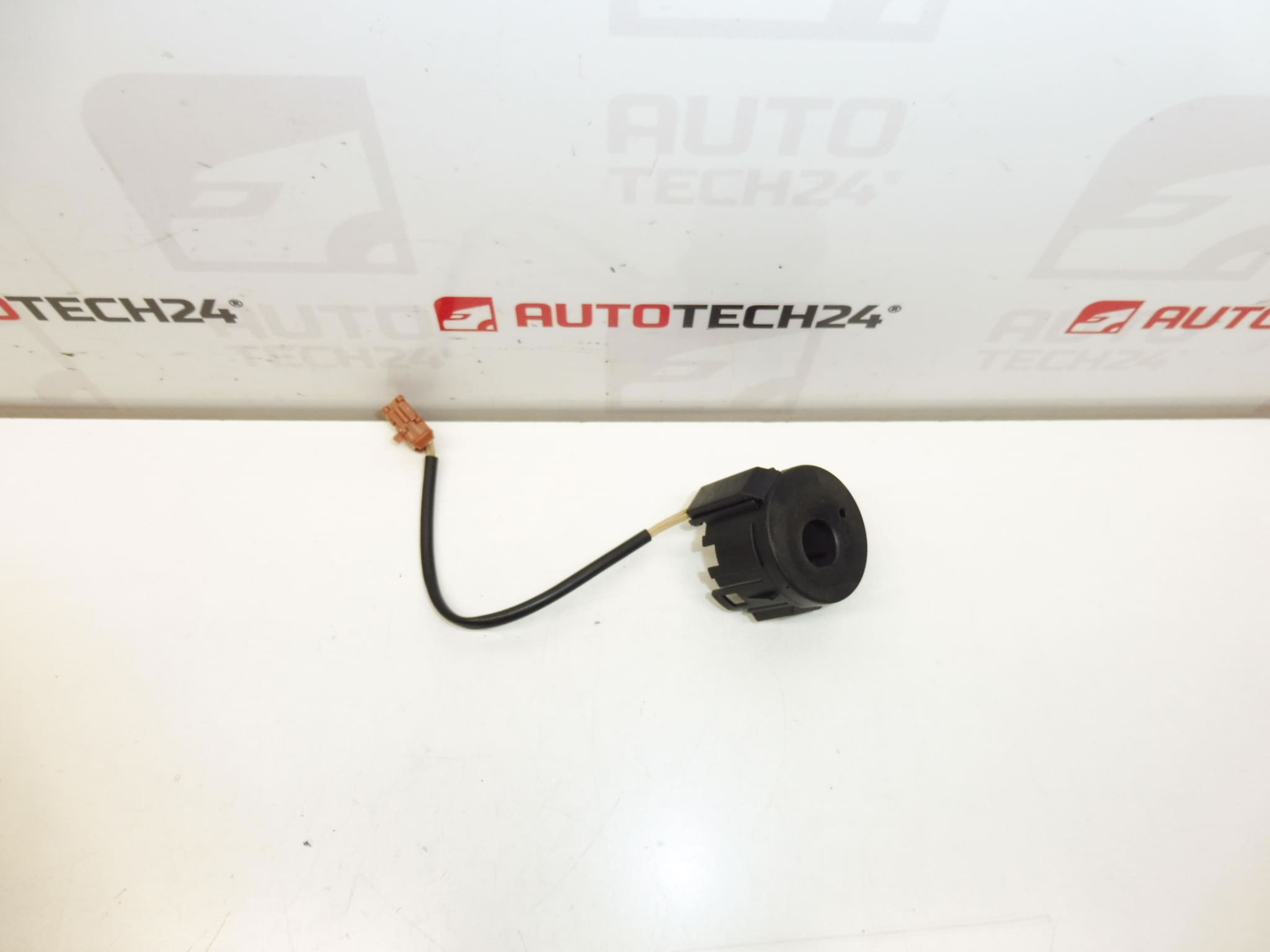
Immobiliser antenna for Citroën and Peugeot vehicles with multiplex network. WARNING – compatibility check with your vehicle required.
Product Overview
Transponder/Immobiliser Antenna (key antenna) engineered for Citroën and Peugeot vehicles using multiplexed body electronics. This antenna detects the low‑frequency signal from the key transponder and relays it to the vehicle immobiliser/BCM, allowing engine start when a recognised key is present. Supplied with OEM reference numbers 9663123280 and 6160C0, the part is commonly used in steering column assemblies and is suitable for professional fitment or competent DIY installation.
Technical Information
- Manufacturer: Stellantis (Citroën/Peugeot)
- Model: Immobiliser Antenna / Transponder Antenna
- Product Codes: 9663123280, 6160C0
- Other Numbers: 6160 C0 (alternative formatting), 9663 123 280 (possible spacing variations)
Fitment / Compatible Models
Commonly fitted to a range of Citroën and Peugeot models with multiplex (CAN) networks. Check vehicle references against the listed product codes before ordering.
- Citroën Berlingo III (B9)
- Citroën C‑Elysée
- Citroën C3 II
- Citroën C3 Picasso
- Citroën C4 I
- Citroën C4 Picasso / C4 Grand Picasso
- Citroën C5 X7
- DS3
- Peugeot 207
- Peugeot 301
- Peugeot 307
- Peugeot 308
- Peugeot Partner III / Partner Tepee
- Peugeot Expert III
- Peugeot 407
How It Works
The antenna contains a low‑frequency coil that energises and reads the passive transponder embedded in the key (typically operating around the LF band). When a valid key is detected, the antenna forwards the transponder data to the immobiliser/BCM, which then authorises engine start. Faulty or poorly contacted antennas prevent the immobiliser from recognising the key, causing no‑start or intermittent starting faults.
Replacement Procedure
Typical replacement steps for workshop or experienced DIY mechanics:
- Disconnect the vehicle battery and follow manufacturer safety procedures.
- Remove steering column trim panels to access the ignition barrel and antenna assembly.
- Unplug the antenna electrical connector and remove any retaining clips or screws.
- Fit the new antenna, ensuring correct orientation and firm connector seating.
- Reassemble trim, reconnect the battery and verify immobiliser/engine start function.
Installation Recommendations
- Always Disconnect Battery Before Work: Isolate battery to avoid short circuits or damage to vehicle electronics.
- Handle Electronics Carefully: Avoid pulling on wires; use proper trim tools to prevent damage to clips and connectors.
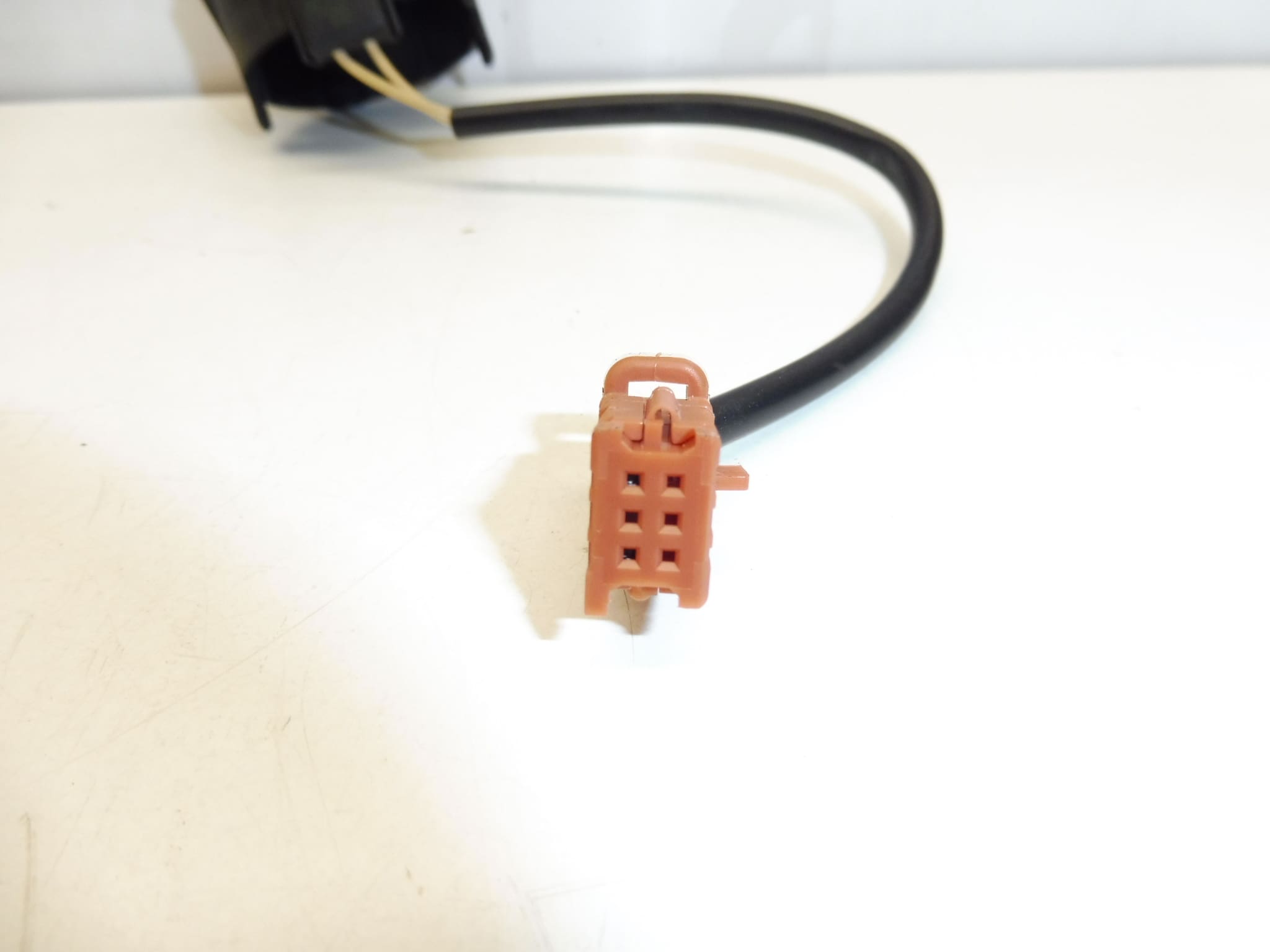
- Check Connector Pins: Ensure there is no corrosion, bent pins or broken locks before installation.
- Correct Positioning: Fit antenna in the exact position around the ignition barrel to maintain reliable RF coupling with the key transponder.
- Test After Fitment: Verify immobiliser LED/messages and perform several start attempts with all vehicle keys to confirm reliable recognition.
Most Common Cause Of Failure
Failures are usually caused by mechanical damage during steering column work, moisture ingress and corrosion of the connector or coil, degraded solder joints, or internal short/open circuits from age. Symptoms include the immobiliser warning light, intermittent starting, or complete inability to start the engine despite a functioning key and battery.
Notes For Professionals
Part numbers 9663123280 and 6160C0 are frequently searched by technicians and DIYers — listing these in diagnostics helps speed identification. In many cases the antenna replacement is straightforward and restores normal function, but always verify fitment using the OEM reference numbers and inspect surrounding wiring and connectors for damage that could cause repeat failures.