Description
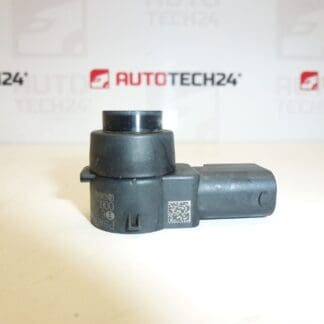
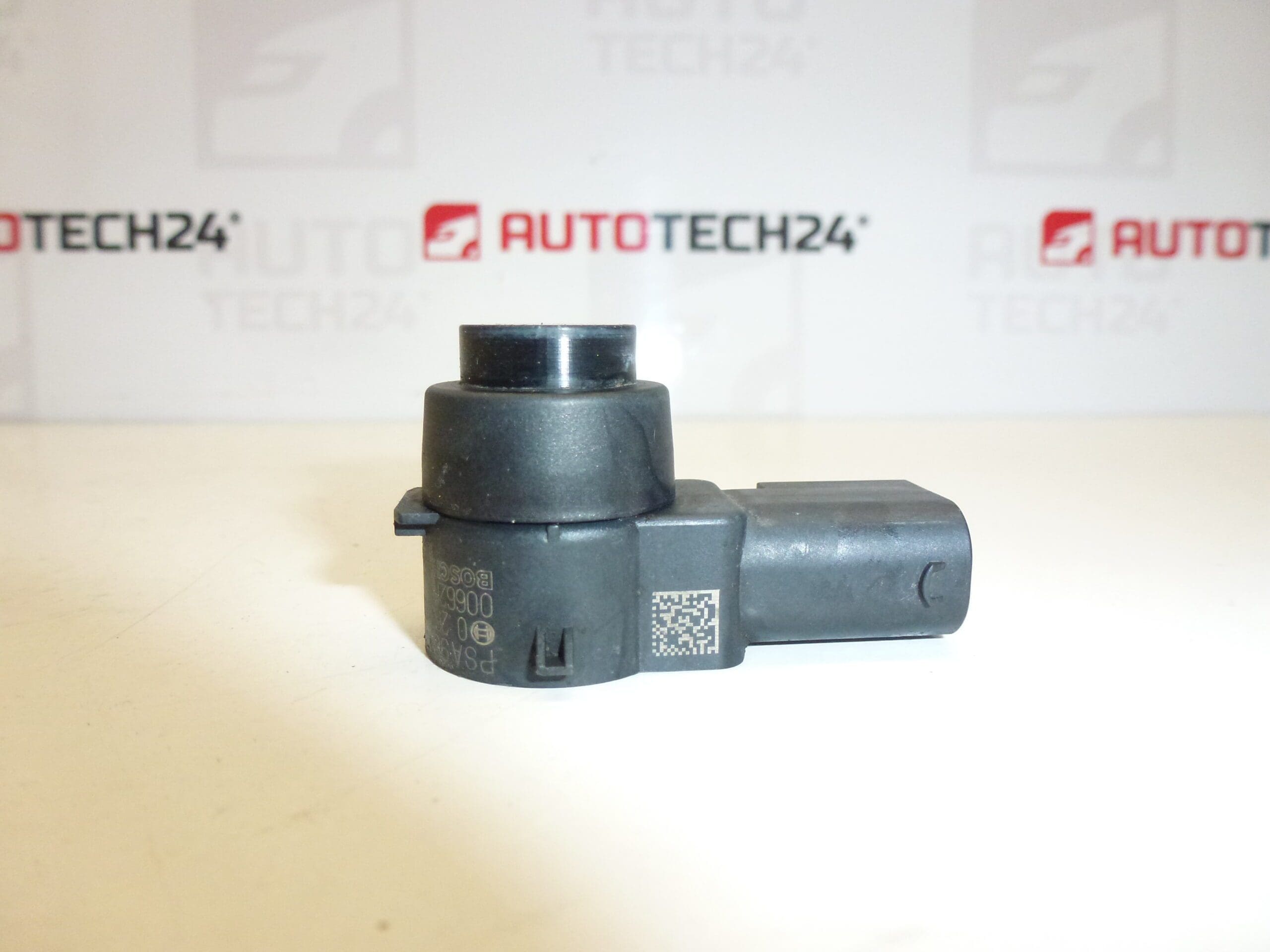
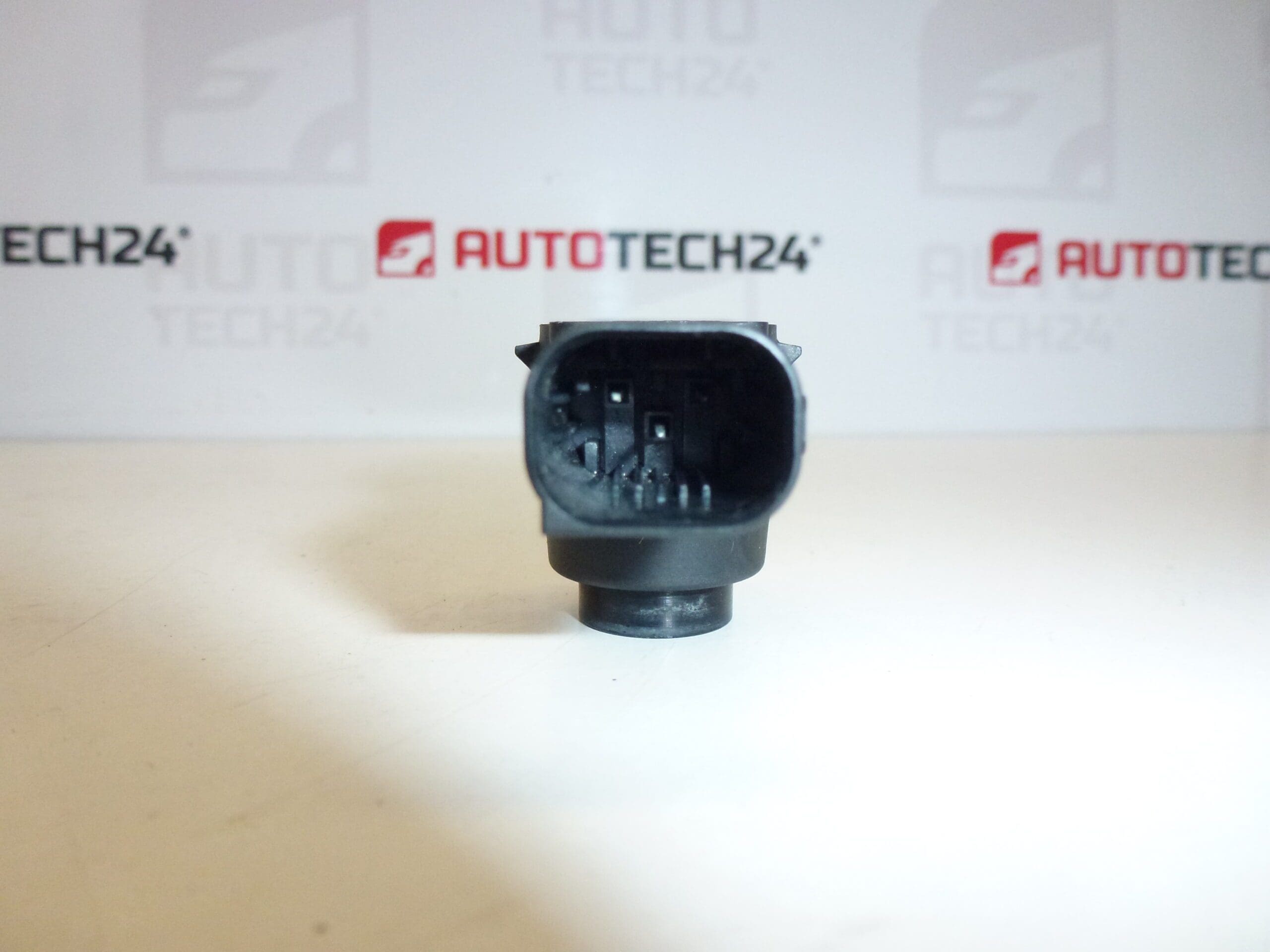
Parking Sensor BOSCH for Citroën and Peugeot vehicles
Product Overview
High-quality Bosch parking sensor designed for Stellantis group vehicles, commonly fitted to Citroën and some Peugeot models. The sensor restores reliable ultrasonic detection for the Park Distance Control (PDC) system, helping mechanics and DIY enthusiasts diagnose and replace faulty sensors quickly. Ideal for workshops and independent repairers who prefer genuine-equivalent components identified by OEM reference numbers.
Benefits
- Direct replacement for original front or rear PDC sensors that share the listed OEM codes.
- Restores accurate obstacle detection and audible/visual warnings, improving safety during low-speed maneuvers.
- Easy to fit in the bumper opening used by the original sensor — no bodywork modification required when matching the correct code.
Technical Information
- Manufacturer: Bosch
- Model: Citroën C4 Picasso, Citroën C5 (also used on compatible Peugeot models sharing these part numbers)
- Product Codes: 9649614177XT, 0263003246, 6590A5
- Other Numbers: 263003246, 9649614177
Compatibility Notes
This sensor is referenced by multiple OEM numbers and is typically used on Citroën models such as C4 Picasso and C5. Compatibility with a specific vehicle depends on the exact part number originally fitted. Use the listed product and other numbers to confirm a match with the vehicle’s existing sensor.
Replacement Procedure (Basic Guide)
Suitable for professional technicians and experienced DIYers. Typical replacement steps:
- Park the vehicle on a level surface, engage the handbrake and, if possible, place the transmission in park or neutral with the engine off.
- Disconnect the negative battery terminal before starting electrical work to avoid short circuits and electrical damage.
- Access the sensor from the bumper: remove inner trim or wheel arch liner as required to reach the sensor connector and retaining clip.
- Disconnect the electrical connector and carefully release the retaining clip or pull the sensor out of its mounting cup. Avoid excessive force to prevent damage to the bumper or connector.
- Compare the new sensor with the old one to confirm identical connector type and mounting orientation, then fit the replacement into the bumper hole until it clicks into place.
- Reconnect the electrical connector, reassemble the trim/wheel arch liner, reconnect the battery, and run a functional test of the PDC system (engage reverse gear or use the vehicle’s PDC test procedure).
Installation Recommendations
- Always ensure the replacement sensor matches the original OEM code and connector type before installation.
- Clean the bumper mounting area and check the wiring harness and connector for corrosion or damage prior to fitting the new sensor.
- When routing or refitting inner liners, avoid pinching the sensor wiring and ensure connectors are fully seated and locked.
- After installation, verify correct operation across the full detection range and check for stored fault codes with a diagnostic tool if an alert persists.
Why This Part Fails Most Often
- Physical Damage: Impact from low-speed collisions or curb strikes can crack the sensor face or dislodge internal components.
- Water Ingress and Corrosion: Moisture penetration or persistent exposure to road salt can corrode pins and connectors, causing intermittent or permanent failure.
- Contamination and Paint Overspray: Dirt build-up, heavy contamination, or overspray during bumper painting can degrade ultrasonic performance.
- Wiring and Connector Faults: Chafed wiring, poor connector contacts, or damaged harnesses frequently mimic sensor faults.
- Age and Wear: Over time, seals and housings wear, reducing reliability — longevity depends on operating environment and maintenance.
Post-Installation Check
After replacement, perform a system check: engage the PDC (usually by selecting reverse) and verify audible and visual alerts at varying distances. If the system shows faults, scan for diagnostic trouble codes and inspect connectors and wiring. In case of persistent errors after fitting a correctly coded sensor, inspect the PDC control module and wiring harness.