Description
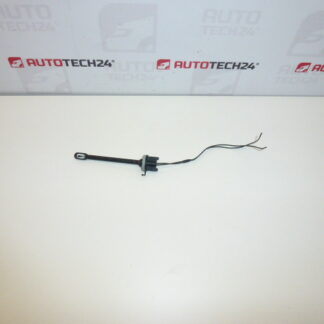
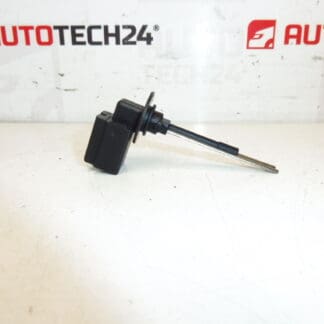
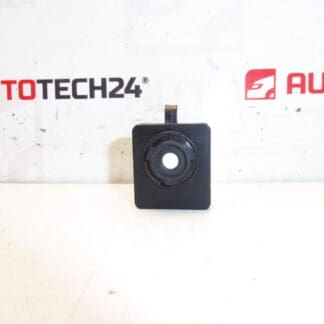
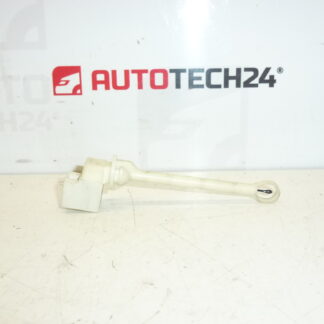
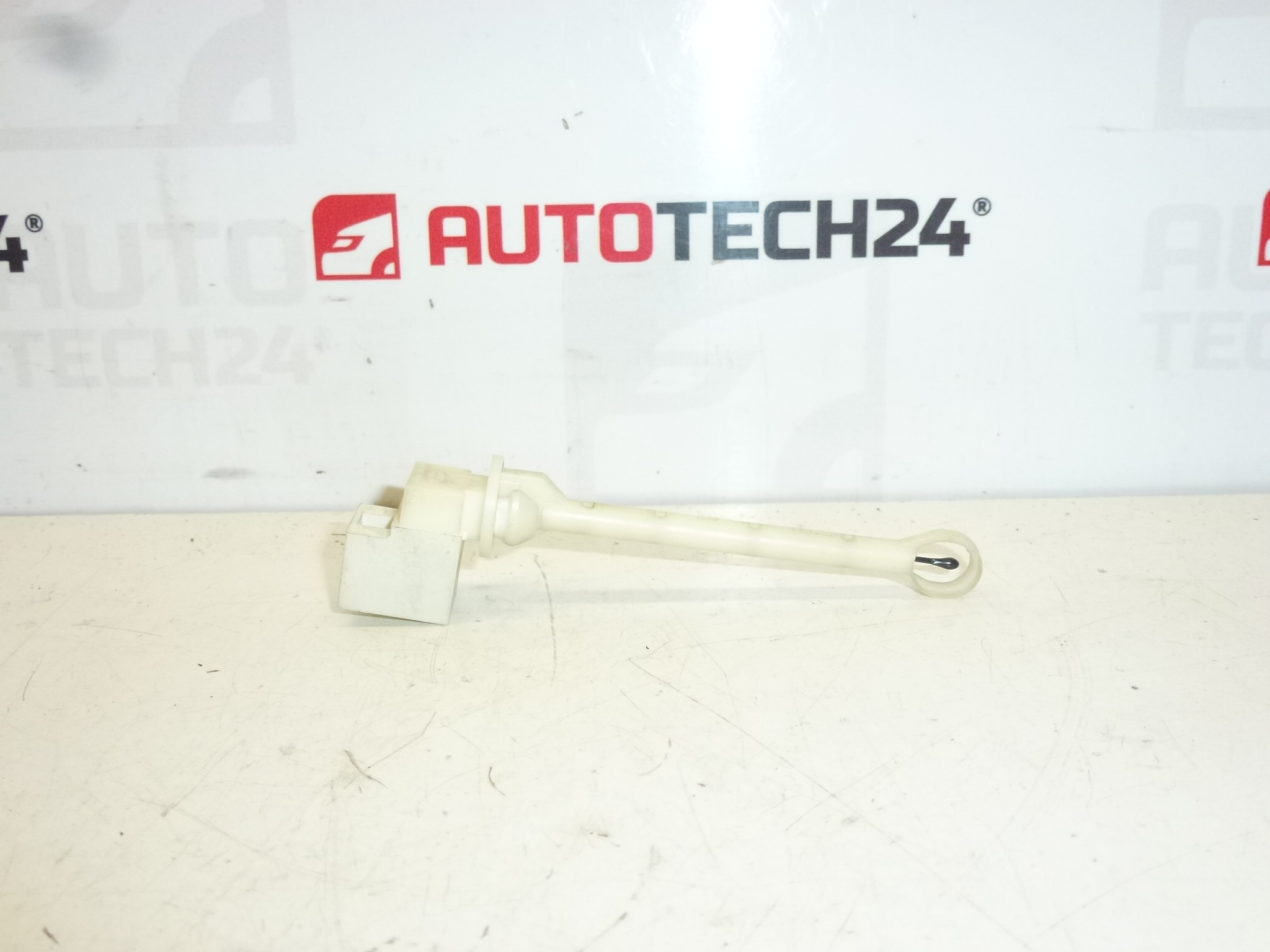
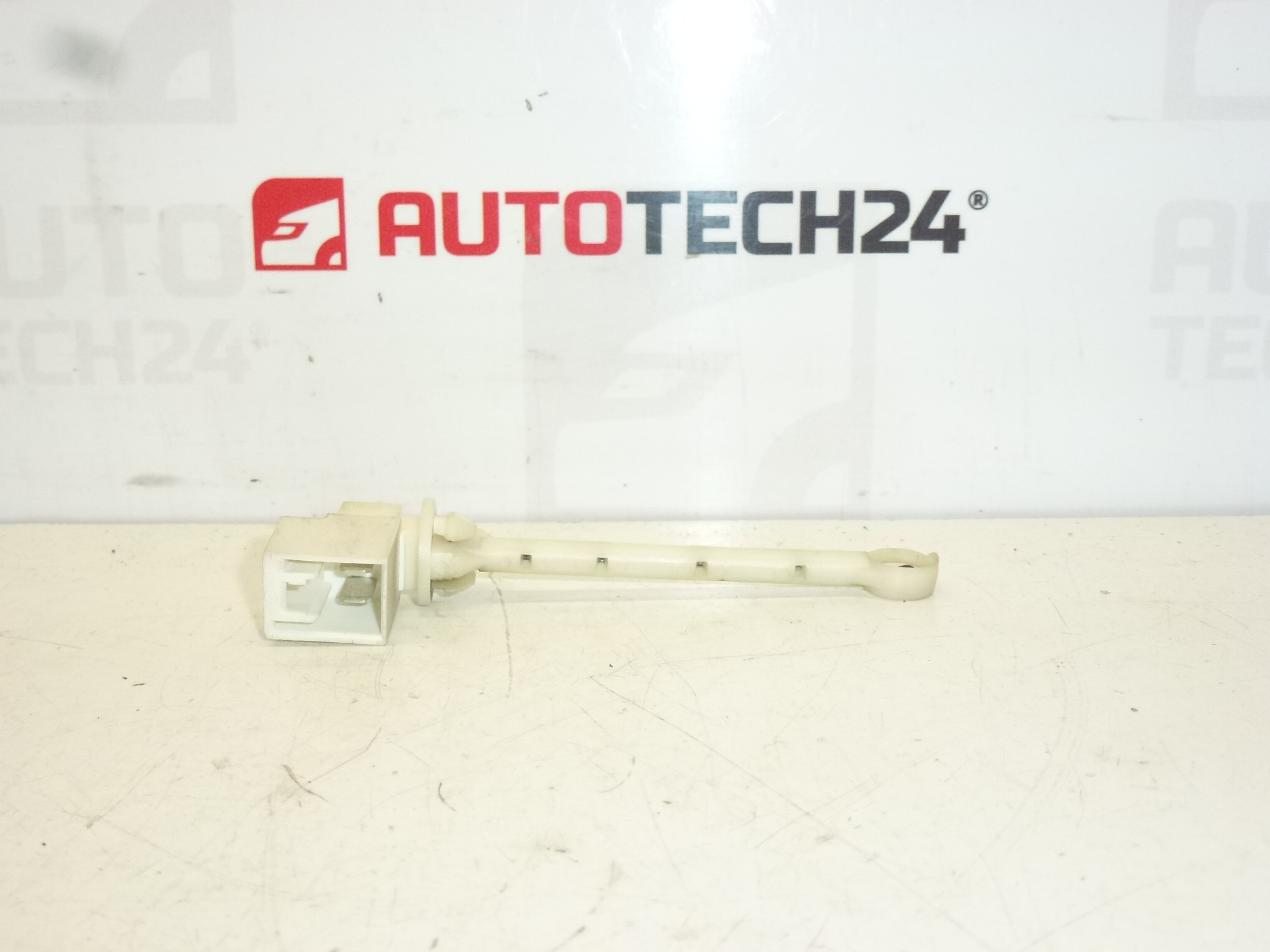
Evaporator temperature sensor for Citroën and Peugeot vehicles.
Overview
Direct replacement evaporator temperature sensor for the HVAC system in Citroën and Peugeot cars. Identified by product codes 100439936 and 6445PA, this sensor monitors the temperature of the evaporator to prevent icing and to allow the climate control unit to regulate compressor cycling and blower behaviour. Suitable for professional garages and experienced DIY mechanics who need a reliable part with clear reference numbers.
Applications
- Citroën C8
- Peugeot 807
Technical information
- Manufacturer: Stellantis
- Model: Citroën C8, Peugeot 807
- Product Codes: 100439936, 6445PA
- Additional Numbers: 100439936 | 6445PA
Function
The evaporator temperature sensor detects the temperature of the evaporator core and sends that signal to the climate control module. The module uses the information to prevent evaporator freezing, to control compressor cycling and to optimise passenger comfort. In many systems the sensor is an NTC thermistor type that changes resistance with temperature.
Common Faults And Causes
- Incorrect temperature readings leading to compressor frequent cycling or continuous running.
- Evaporator icing causing loss of cooling performance or air flow reduction.
- Open or short circuit due to damaged wiring, connector corrosion or moisture ingress.
- Sensor failure after long service life caused by contamination, corrosion or mechanical damage during previous repairs.
How Often It Fails
There is no fixed replacement interval. Failures typically occur after many years of service or after exposure to moisture and contamination. In practice problems often appear on higher mileage vehicles or after HVAC repairs where the sensor or connector was disturbed.
Installation Recommendations
Recommended for experienced mechanics or skilled DIYers. Typical replacement steps:
- Disconnect the negative battery terminal before starting work to avoid short circuits and spurious fault codes.
- Access the sensor—on the listed models it is usually located in the evaporator housing behind the glovebox or under the dash. Remove the glovebox or trim panels as required.
- Unplug the electrical connector and carefully remove the sensor from its mounting; retain any sealing grommet or O-ring and replace if damaged.
- Install the new sensor, ensure correct seating and seal, reconnect the electrical connector and reassemble interior trims.
- Check wiring and connector contacts for corrosion; repair or protect as needed to prevent future faults.
- After installation, clear any stored HVAC fault codes and verify correct system behaviour. Use a diagnostic tool to confirm sensor readings and automatic cycle points where possible.
Use a multimeter to verify that the sensor changes resistance with temperature before installation if you suspect a fault. If the refrigerant circuit was opened during service, follow legal and safety requirements for evacuation and recharge and have refrigerant work performed by a qualified technician.
Why This Part Fails Most Often
Failures are most commonly caused by moisture and corrosion at the connector, mechanical damage during previous repairs, contamination inside the evaporator housing, or wiring harness fatigue. Poor sealing or damaged O-rings can accelerate moisture ingress and lead to premature failure.
Notes For Professionals
Keep product references 100439936 and 6445PA in your workshop documentation to speed up ordering and verification. Testing the sensor in situ with a diagnostic scanner or by measuring resistance change with temperature can save time diagnosing intermittent faults.