Description
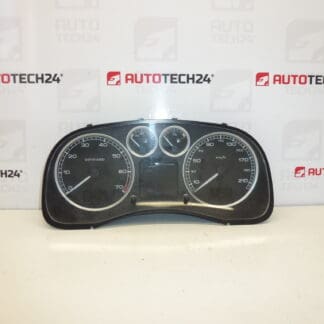
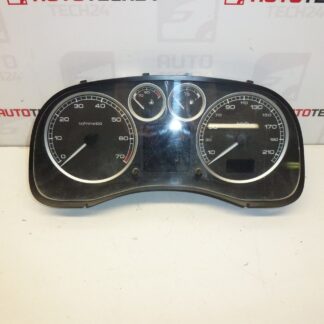
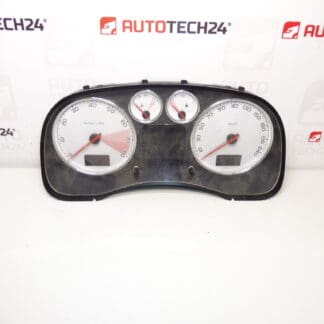
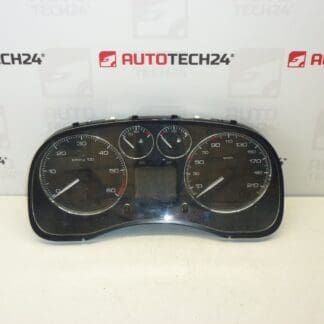
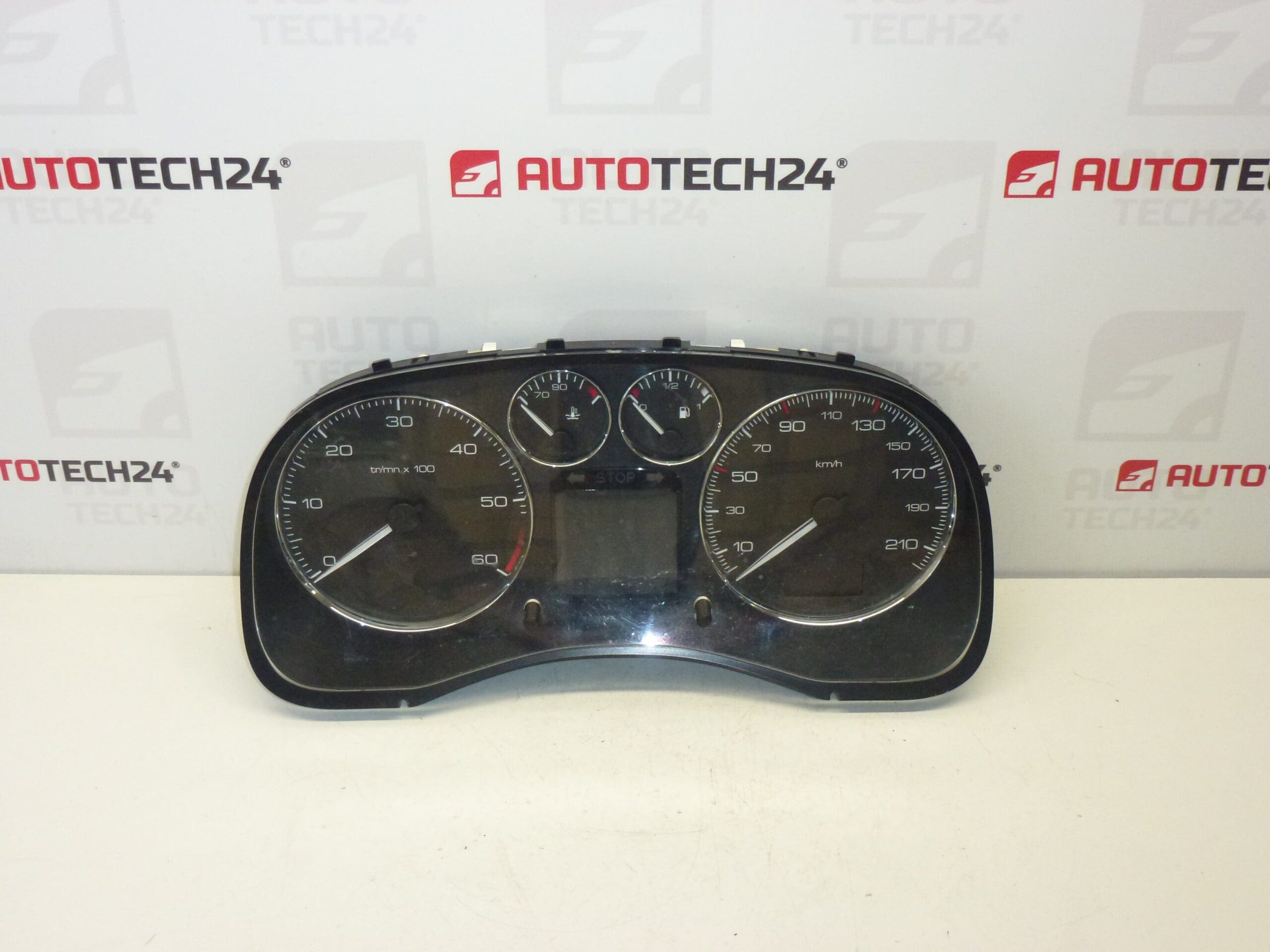
Tachometer for Peugeot 307 facelift models. Removed from a vehicle with 199,642 km.
Product Overview
High-quality used instrument cluster (tachometer/speedometer) originally fitted to Peugeot 307 facelift vehicles. Ideal for mechanics and DIY enthusiasts looking for a direct replacement unit with known provenance. This unit retains the original mileage and was removed from a working vehicle with 199,642 km.
Technical Information
- Manufacturer: Stellantis (Peugeot / Citroën)
- Model: Peugeot 307 (Facelift)
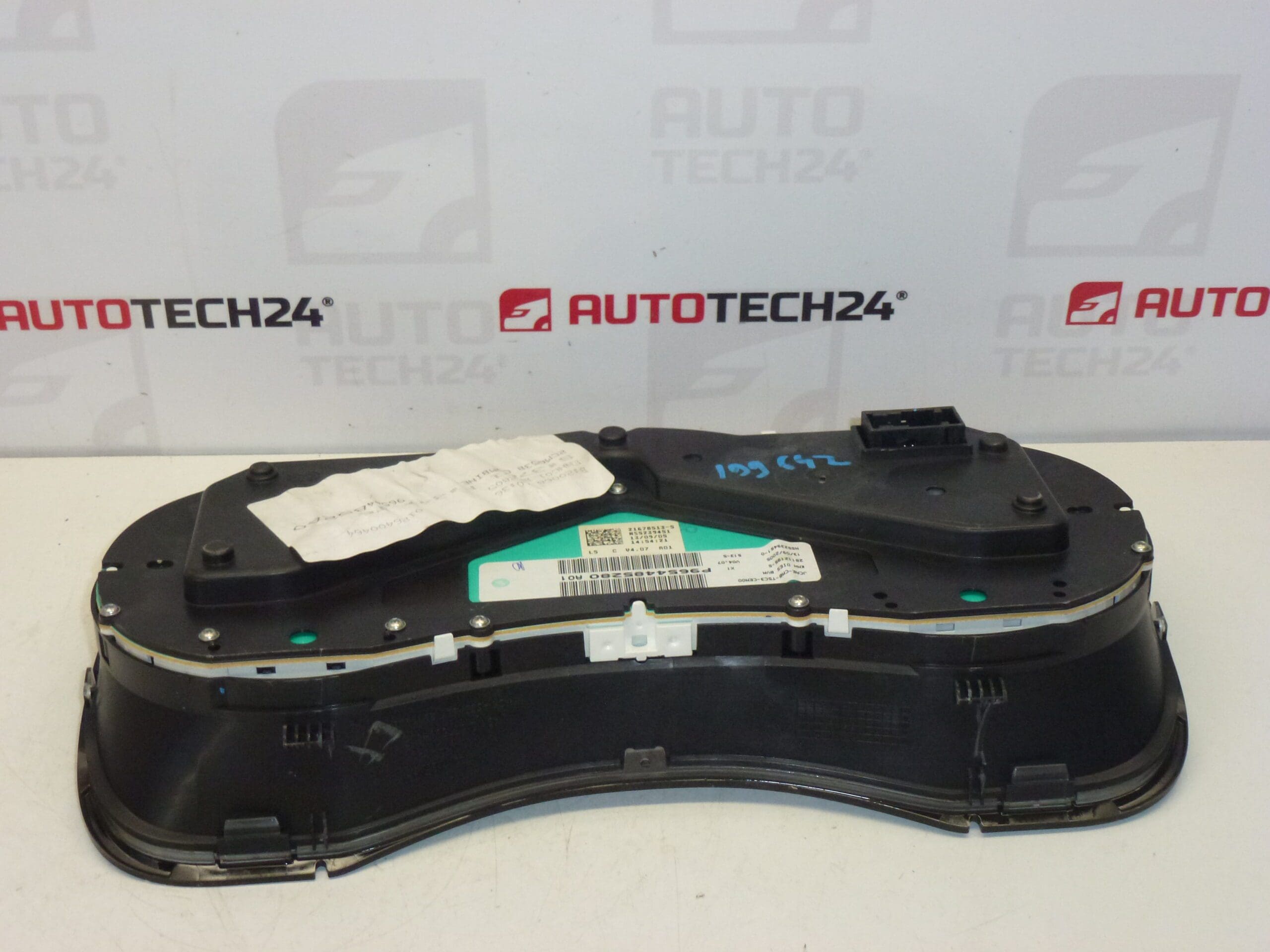
- Product Codes: 9654485280, A01
- Other Numbers: 6106N4, 6106N5, 6103K3
- Mileage: 199,642 km (unit removed from this vehicle)
Fitment
Compatible with Peugeot 307 facelift models and commonly used across Phase I and Phase II 307 variants. Use the listed product numbers when searching for direct-fit replacements to improve the chance of correct match.
Function
The instrument cluster displays vehicle speed, engine revolutions (tachometer where applicable), total mileage (odometer), fuel level, warning lamps and basic trip information. It communicates with vehicle systems to present real-time information to the driver and houses backlighting, gauge stepper motors and the odometer mechanism.
Replacement Guide
Basic replacement steps for an experienced mechanic or competent DIYer:
- Disconnect the negative battery terminal before starting to avoid electrical damage.
- Remove the trim surrounding the cluster (carefully pry away trim clips to avoid breakage).
- Unscrew the retaining screws securing the cluster and gently pull the unit forward.
- Unplug the electrical connectors on the rear of the cluster (handle connectors by the body, not the wires).
- Install the replacement cluster by reversing the removal steps, reconnecting connectors and reinstalling trim.
- After installation, verify all gauges, backlighting and warning lamps function correctly before driving.
Installation Recommendations
- Always disconnect the battery prior to removal and installation to protect electronic components.
- Work on a clean, static-free surface and avoid touching circuit boards or connector pins directly.
- Check connector terminals for corrosion or bent pins and clean if necessary before mating.
- Test the cluster operation (illumination, gauges, indicators) with the vehicle in accessory/on position before reassembling the dash.
- If the replacement cluster shows different mileage or security/warning indicators, further adaptation or coding may be required.
Most Common Cause Of Failure
Instrument clusters typically fail due to age-related factors and electrical stress. Common issues include deteriorated solder joints, failing capacitors or stepper motors, faded/backlight failure, LCD or pixel defects and connector corrosion from moisture. Voltage spikes or poor battery/alternator health can accelerate failures. Physical damage and water ingress are also frequent causes of malfunction.
Notes For Professionals
When replacing an instrument cluster be aware that some Peugeot clusters retain vehicle-specific data. In certain cases adaptation or coding is necessary to ensure full functionality (odometer display, immobilizer/warning behavior). If coding is required, use appropriate PSA diagnostic equipment and follow manufacturer procedures.