Description
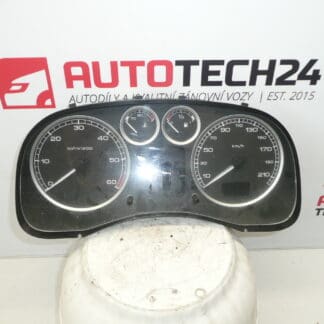
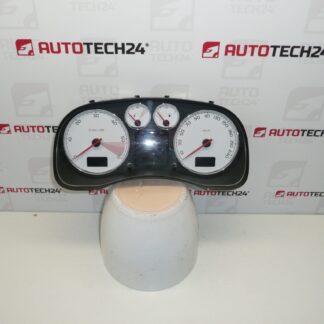
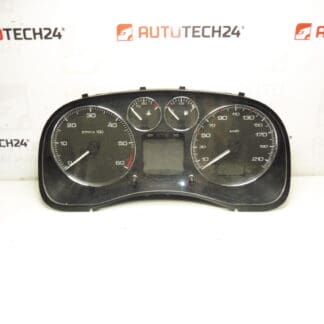
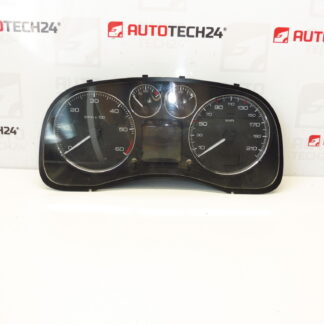
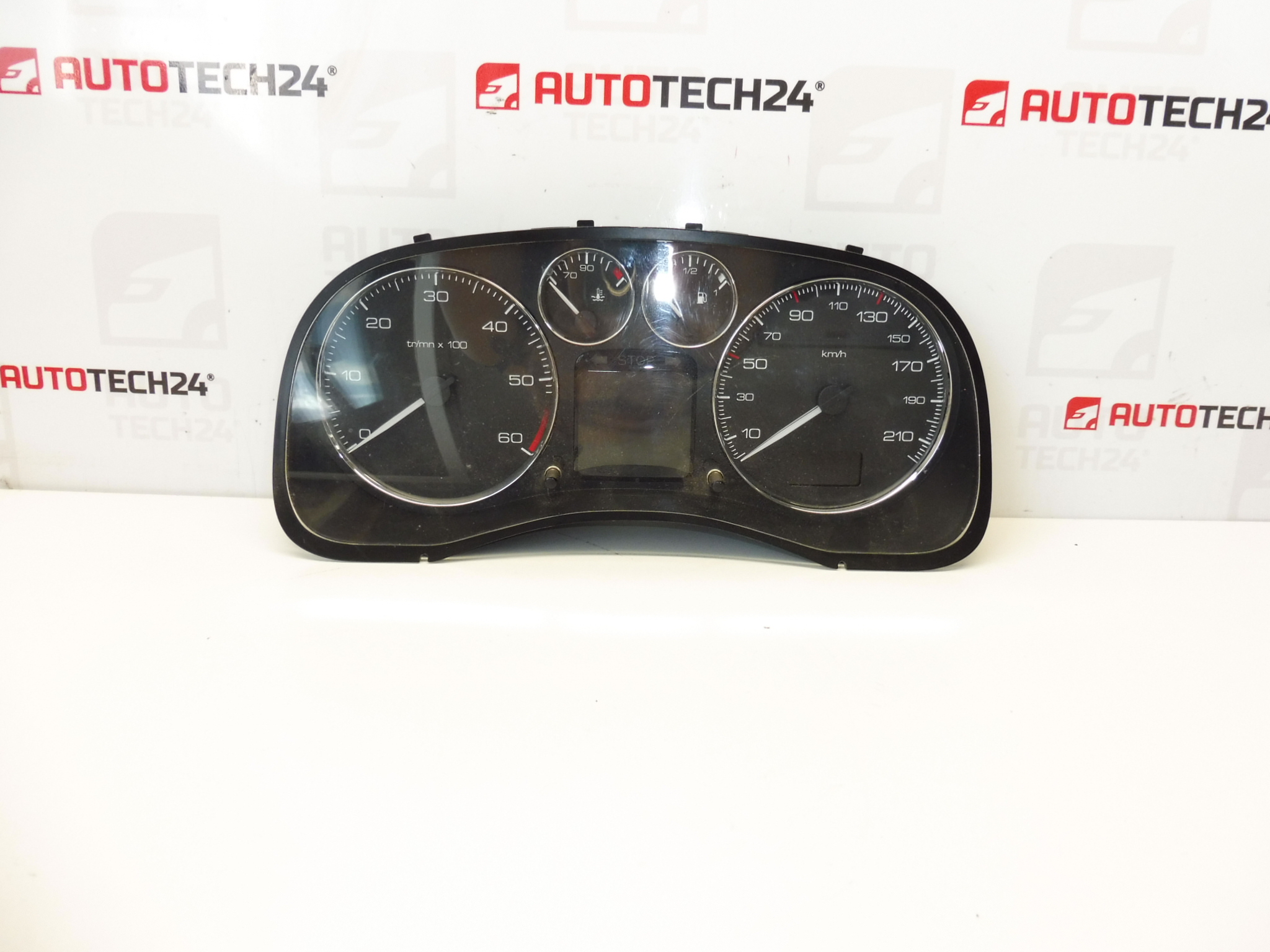
Tachometer for Peugeot 307 facelift. Removed from a vehicle with mileage 212,725 km.
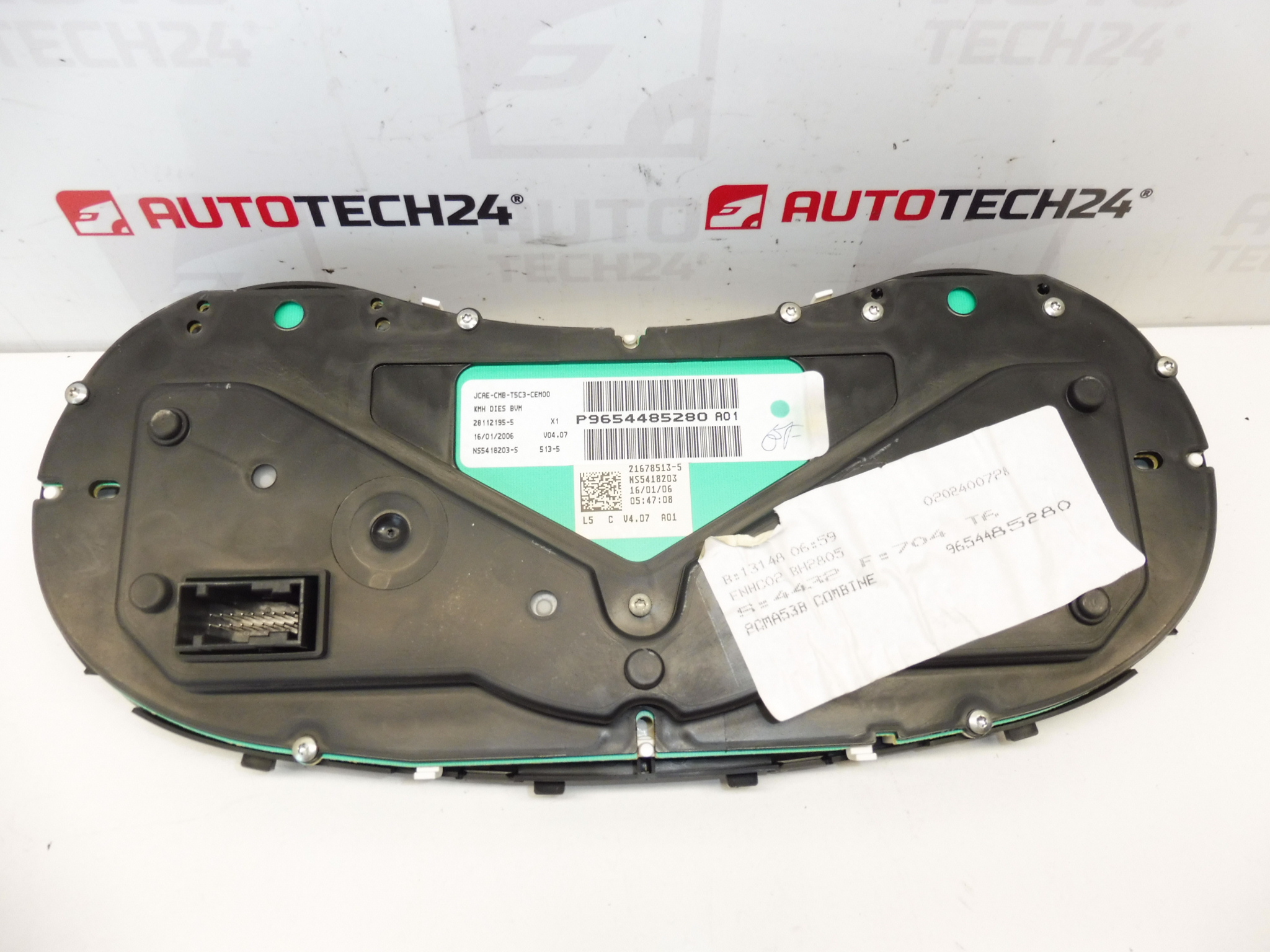
This instrument cluster (tachometer) is a direct-fit unit from a Peugeot 307 facelift. It is suitable for mechanics and experienced DIYers who need a replacement cluster or a spare part identified by product codes 9654485280 and 6106N4. The unit displays vehicle speed, engine RPM, fuel level, engine temperature and on-board warnings. Common search keywords: Peugeot 307 instrument cluster, tachometer 9654485280, cluster 6106N4, Peugeot 307 facelift gauge cluster.
Technical Information
- Manufacturer: Stellantis / Peugeot
- Model: Peugeot 307 (Facelift) – Instrument Cluster
- Product Codes: 9654485280, 6106N4
- Other Numbers: 6106N5, 6103K3
- Removed From Vehicle Mileage: 212,725 km
Function And Features
The cluster provides all primary driver information: speedometer, tachometer (RPM), fuel gauge, coolant temperature gauge and warning indicator lamps (airbag, ABS, engine management, etc.). It relies on vehicle sensors and CAN bus signals to present readings. Onboard stepper motors and printed circuit board electronics drive the analog needles and illumination.
Installation Recommendation
Always follow correct workshop procedures when replacing the instrument cluster. Recommended steps: disconnect the battery before starting, remove surrounding trim pieces carefully with trim tools to avoid damage, unscrew the cluster mounting screws, pull the cluster forwards and disconnect electrical connectors by releasing the locking tabs. Fit the replacement unit in reverse order, ensuring connectors are fully seated and screws are torqued evenly. After installation, check all gauges, warning lights and indicator functions.
Some instrument clusters require coding or adaptation to the vehicle’s systems (immobilizer/BSI) to restore full functionality. For coding and any necessary adaptations use professional diagnostic tools (DiagBox or equivalent) and follow manufacturer procedures.
Why The Part Most Commonly Fails
- Age And Mileage: Wear of stepper motors and moving parts can lead to inaccurate or stuck needles after high mileage.
- Thermal And Mechanical Stress: Heat cycling and vibration can weaken solder joints and connector contacts, causing intermittent failures.
- Moisture And Contamination: Water ingress or condensation can corrode contacts and damage PCB traces or components.
- Electrical Faults: Voltage spikes, poor ground connections or failed alternators can damage the cluster electronics.
Practical Tips For Mechanics And DIYers
- Inspect wiring, fuses and grounds before replacing the cluster—some faults are caused by upstream electrical issues.
- Handle the cluster by its housing and avoid touching the electronics; static discharge can damage components.
- Verify illumination level and warning lamp functionality immediately after installation.
- Keep The Removed Unit For Reference: Note odometer reading and compare before and after swap to avoid discrepancies.