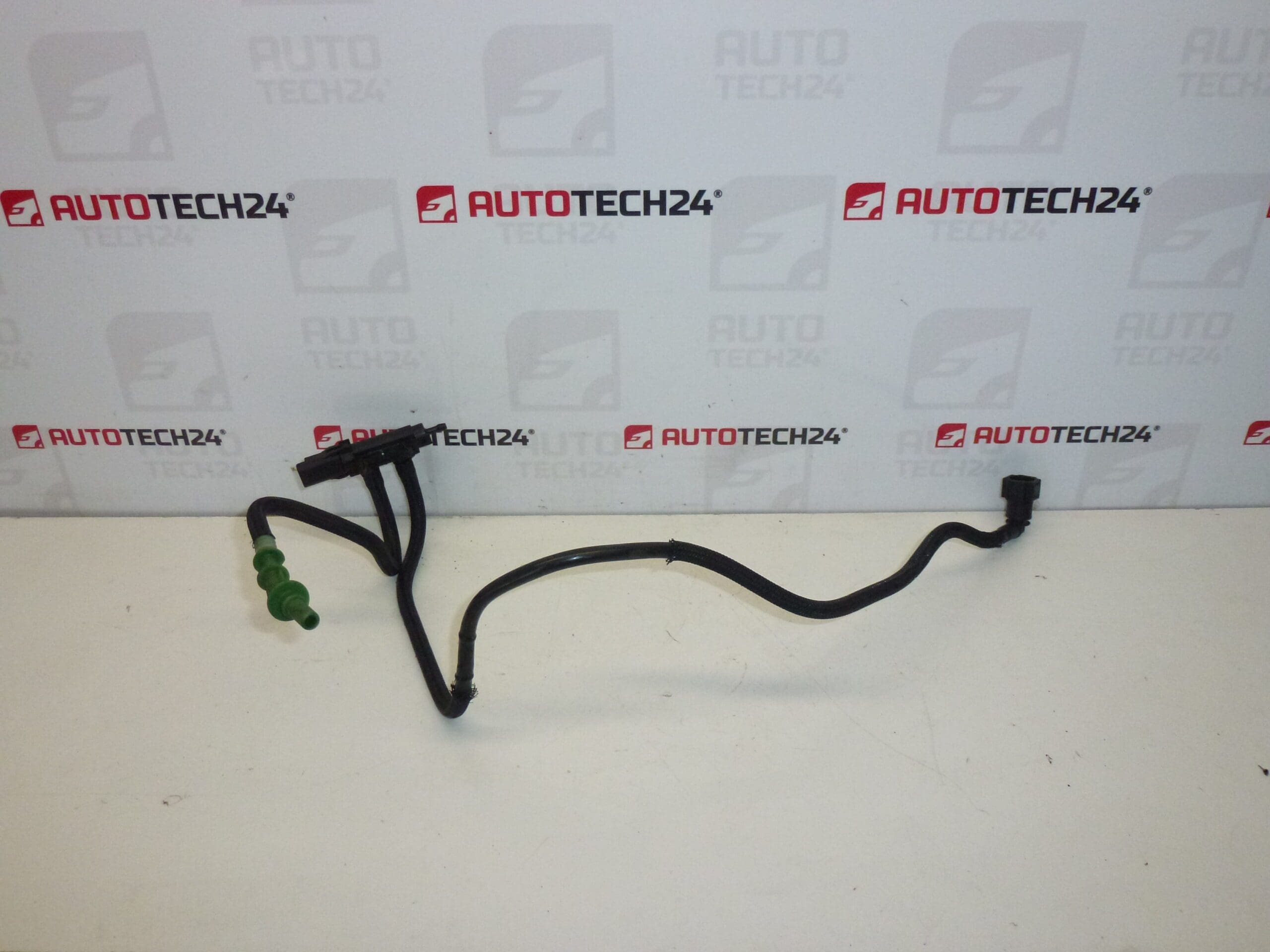
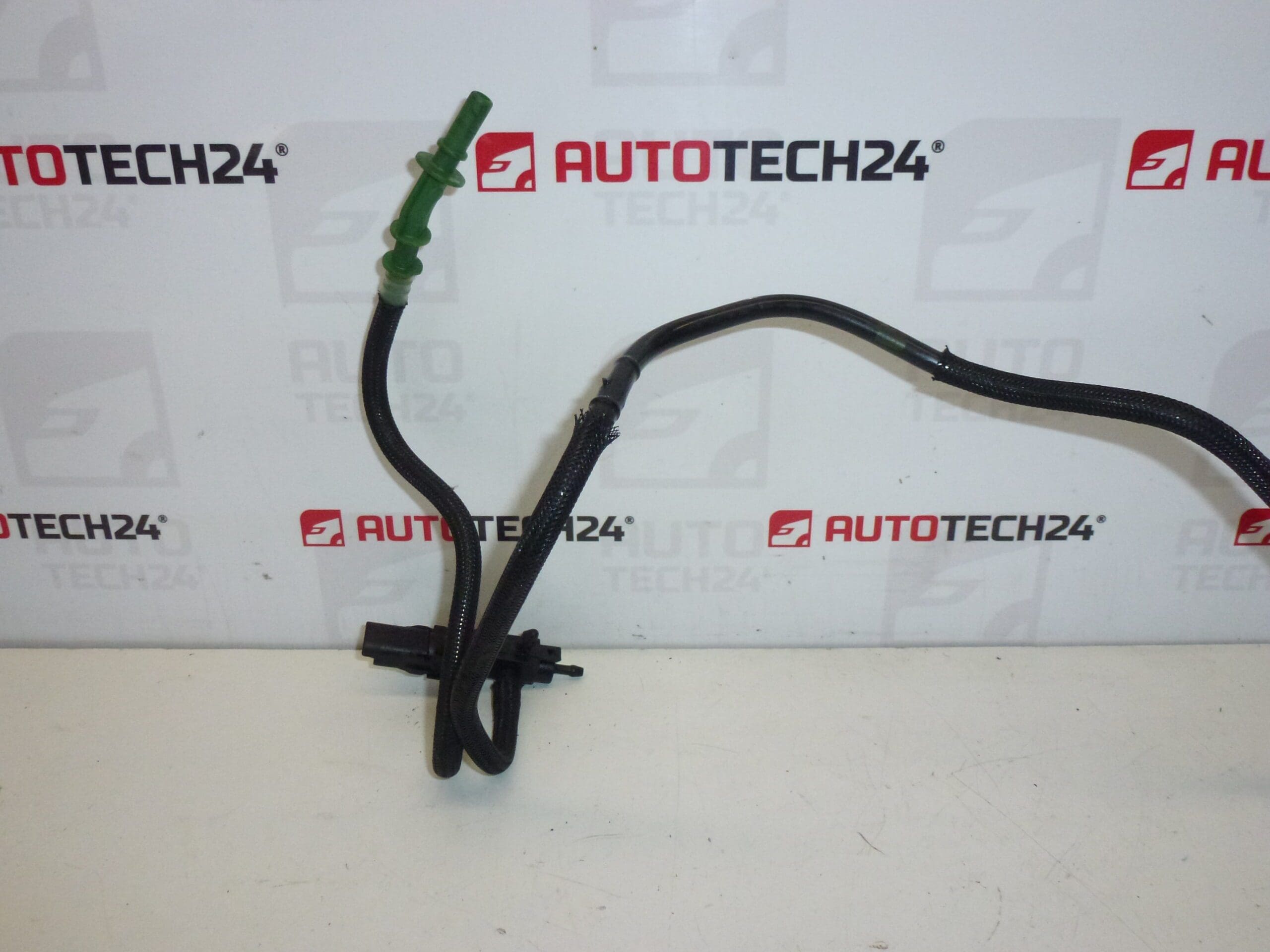
Description
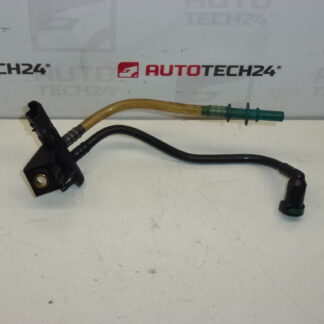
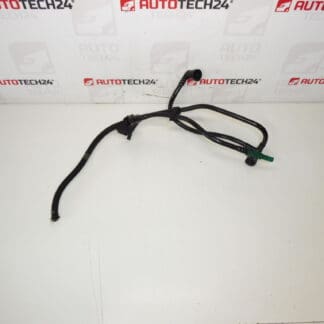
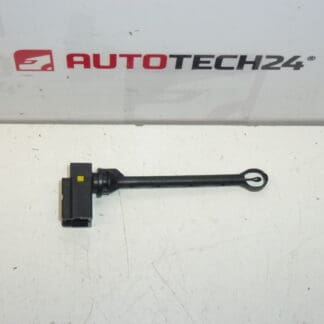
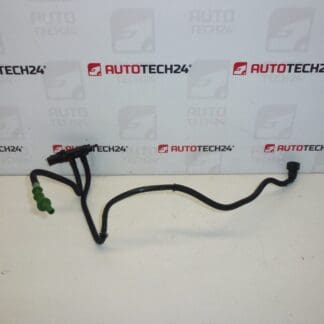
Fuel temperature sensor for Citroën Peugeot vehicles
Suitable for engines with Siemens injection 2.0 HDi RHR RHK and others
Product Overview
This fuel temperature sensor (part number 1579HF) monitors the temperature of the fuel in the fuel system and provides an input to the engine management for optimized injection timing, mixture correction and regeneration strategies on diesel HDi engines. It is a direct-fit component commonly used on Citroën and Peugeot models equipped with Siemens fuel injection systems (2.0 HDi RHR / RHK).
Compatibility
Designed for use on a range of Citroën and Peugeot vehicles with 2.0 HDi engines and Siemens injection. Typical applications include:
- Citroën C4
- Citroën C4 Picasso
- Citroën C5 (including X7)
- Citroën C8
- Peugeot 307
- Peugeot 407
- Peugeot 807
Technical Information
- Manufacturer: Stellantis
- Model: Citroën / Peugeot (see compatibility list)
- Product Codes: 1579HF
- Other Numbers: Not available
Function And Importance
The fuel temperature sensor measures fuel temperature and sends a signal to the engine control unit (ECU). Accurate fuel temperature data helps the ECU calculate fuel density and adapt injection timing and quantity, improving cold start behavior, emissions and fuel economy. On turbocharged HDi engines, correct fuel temperature information also supports regeneration and soot management strategies.
Common Failure Modes And Causes
- Contamination from fuel deposits, dirt or water causing incorrect readings.
- Corrosion or ingress at the electrical connector leading to intermittent signal or open circuit.
- Mechanical damage during servicing or from vibration and thermal cycling.
- Failures related to poor fuel quality or additives accelerating sensor degradation.
How To Diagnose
For workshops and DIY mechanics: start with a visual inspection of the connector and wiring harness for corrosion, loose pins or damage. Use an OBD scanner to check for related fault codes and monitor the fuel temperature signal live if possible. Electrical checks (voltage/signal continuity) can confirm wiring integrity. If the sensor provides implausible values compared with ambient/fuel temperature conditions, replacement is recommended.
Replacement Procedure (General Guidance)
Only perform work with appropriate safety precautions. Typical steps:
- Depressurize the fuel system according to manufacturer procedure.
- Disconnect the battery before working on electrical components.
- Locate the sensor on the fuel rail or fuel line, carefully disconnect the electrical connector.
- Unscrew or unclip the old sensor (retain sealing washer if reusable only when service manual permits).
- Fit the new sensor, ensuring correct sealing and connector engagement. Do not overtighten threads—follow manufacturer torque if specified.
- Reconnect the battery, prime the fuel system and check for leaks and correct sensor operation (clear faults and verify signal with a diagnostic tool).
Installation Recommendations
- Always follow the vehicle manufacturer’s service instructions. Use new sealing components where required.
- Ensure electrical connectors are clean and fully seated. Apply dielectric grease only if specified by the manufacturer.
- When replacing in-soil or in-rail sensors, avoid contaminating the fuel rail and protect open ports from debris.
- After installation, check for fault codes and confirm the sensor provides stable and plausible temperature readings.
Why This Part Is Important For Mechanics And DIY Enthusiasts
Replacing a faulty fuel temperature sensor can restore proper fuel metering and emissions control, eliminate related warning lights and prevent drivability issues. The part number 1579HF is often used in search queries, so having the correct code helps quickly locate the correct replacement for Siemens-equipped 2.0 HDi engines.
Additional Notes
Failure frequency varies widely with operating conditions and fuel quality; contamination and connector corrosion are the most common causes. For precise fitment double-check compatibility against engine code (RHR / RHK) and the listed vehicle models.