Description
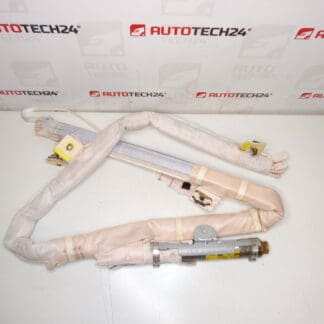
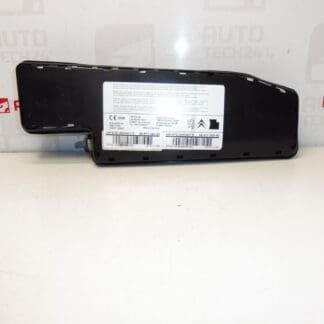
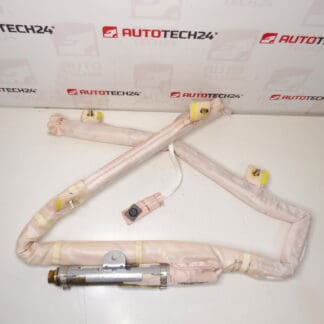
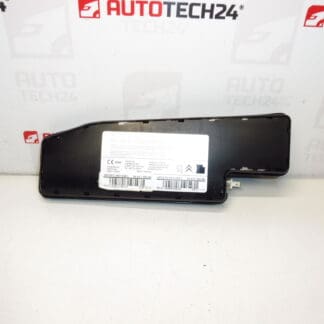
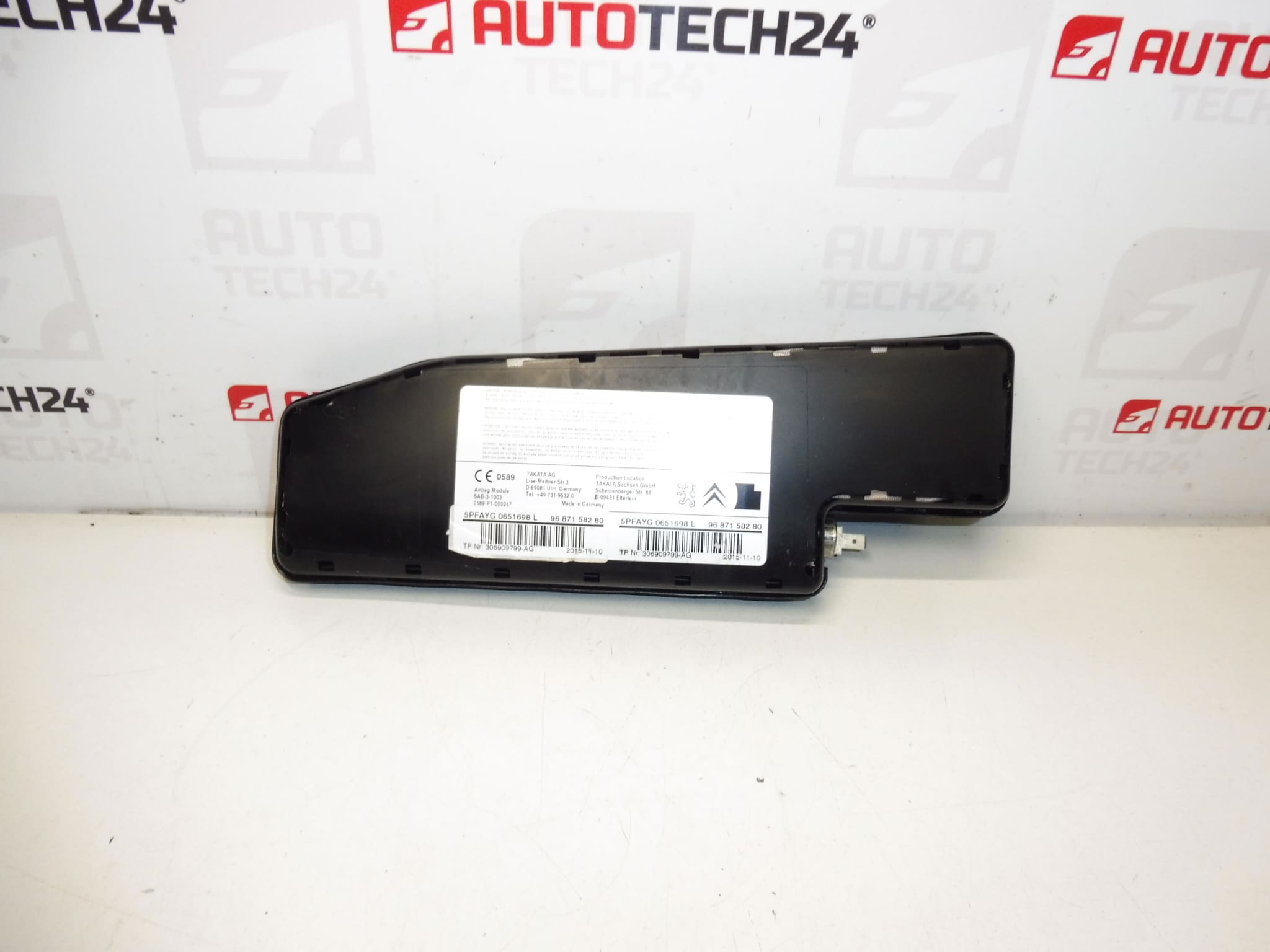
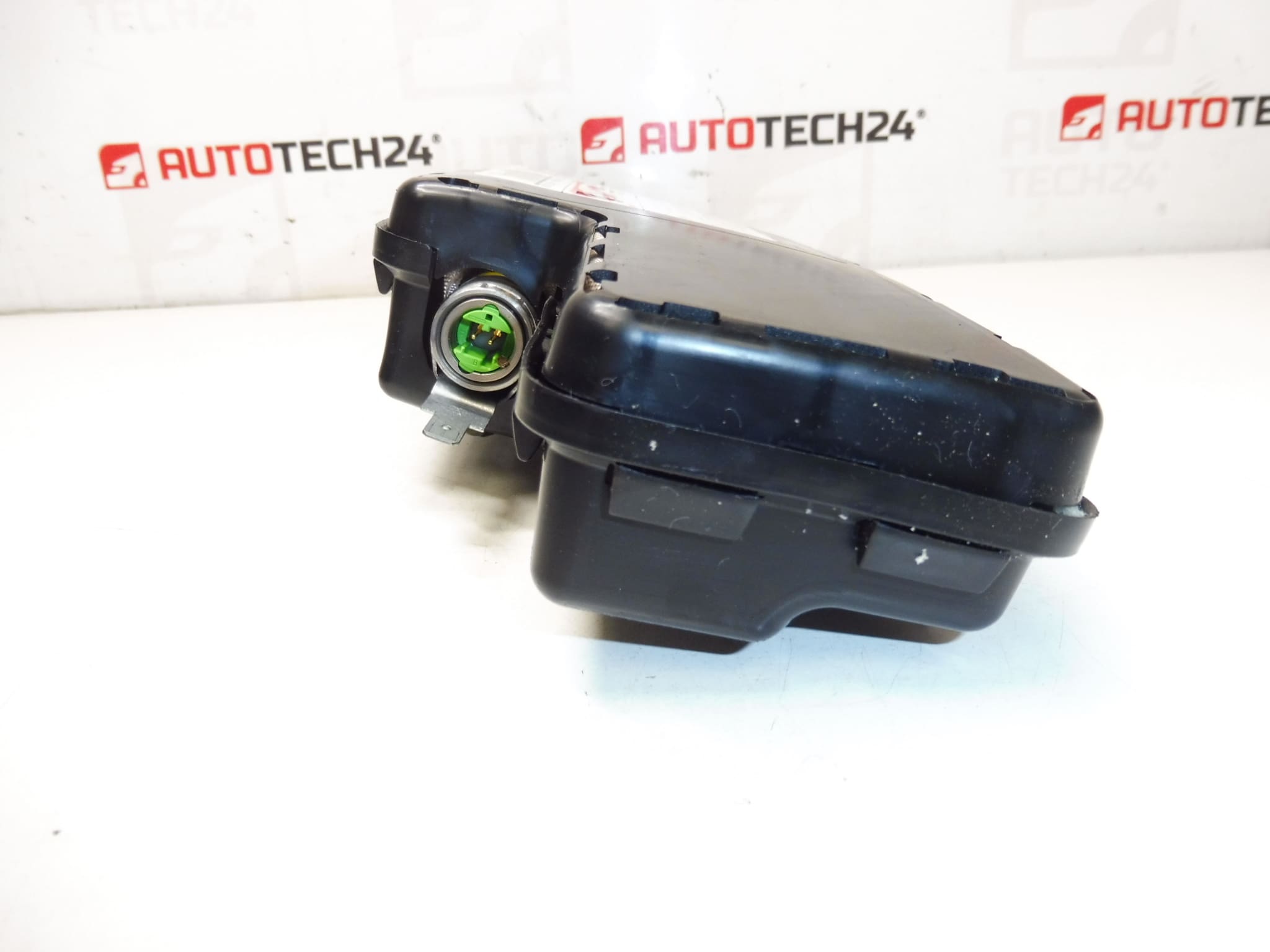
Passenger Seat Airbag For Citroën C4 II B7 And DS4
High-quality Passenger Seat Airbag module suitable for Citroën C4 II (B7) and DS4. This airbag module is identified by part numbers 9687158280 and 8217F8 and is intended for replacement of a faulty or deployed passenger seat airbag in affected models. The module restores the seat’s occupant protection within the SRS system when installed correctly and with the vehicle’s diagnostic controls reset. Ideal for professional workshops and experienced DIY mechanics looking for a direct-fit safety component.
Technical Information
- Manufacturer: Stellantis (Citroën / Peugeot)
- Model: Citroën C4 II (B7); DS4
- Product Codes: 9687158280
- Additional Numbers: 8217F8
Function And Application
The Passenger Seat Airbag Is Part Of The Vehicle Supplemental Restraint System (SRS). It Deploys In The Event Of A Side Or Severe Frontal Impact To Reduce The Risk Of Injury To The Occupant. The Module Is Mounted In The Seat Structure Or Seat Cushion Depending On Trim And Equipment, And Works Together With Seat Belt Pretensioners And Other SRS Components To Provide Occupant Protection.
Compatibility
Designed For Use In Citroën C4 II (B7) And DS4 Models Fitted With The Corresponding SRS Seat Airbag Assembly. Replace Using The Exact Part Number 9687158280 Or Reference 8217F8 To Ensure Proper Fitment And Connector Compatibility.
Replacement Procedure
- Always Follow The Vehicle Manufacturer’s Service Manual For Exact Steps.
- Disconnect The Battery Before Any Work On Airbag Systems And Wait The Manufacturer-Recommended Time For SRS Capacitors To Discharge.
- Remove Seat Trim And Any Necessary Fasteners, Then Unbolt And Move The Seat To Access The Airbag Module.
- Carefully Disconnect The Airbag Electrical Connector(s) And Remove The Old Module.
- Install The New Airbag Module In The Correct Orientation, Reconnect Electrical Connectors, Refit Seat And Trim Panels.
- After Installation Use A Diagnostic Tool To Clear SRS Faults And Confirm The Airbag Light Is Off.
Installation Recommendations
- Use Appropriate Tools And Torque Values Specified By The Manufacturer.
- If You Are Not Experienced With SRS Systems, Have The Replacement Performed By A Qualified Technician.
- Keep Connectors Clean And Dry; Avoid Pulling On Wiring Harnesses.
- Observe Electrostatic Discharge Precautions Where Applicable.
- Before Removal/Installation Always Disconnect The Battery And Follow The Manufacturer’s Procedure To Avoid Damage To The Unit.
Why This Part Most Commonly Fails
- Deployment During A Collision: The Most Common Reason For Replacement Is Airbag Deployment After An Accident.
- Electrical Damage Or Short Circuits: Wiring Harness Damage, Connector Corrosion Or Shorts Can Cause SRS Faults.
- Water Ingress Or Seat Moisture: Exposure To Liquid Can Damage Connectors And Internal Components.
- Wear From Seat Movement: Repeated Mechanical Stress Can Affect Cabling And Connector Integrity.