Description
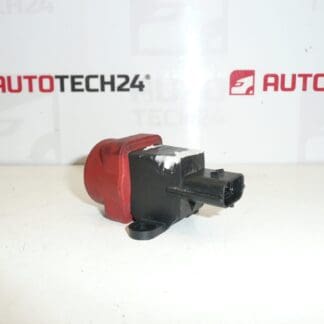
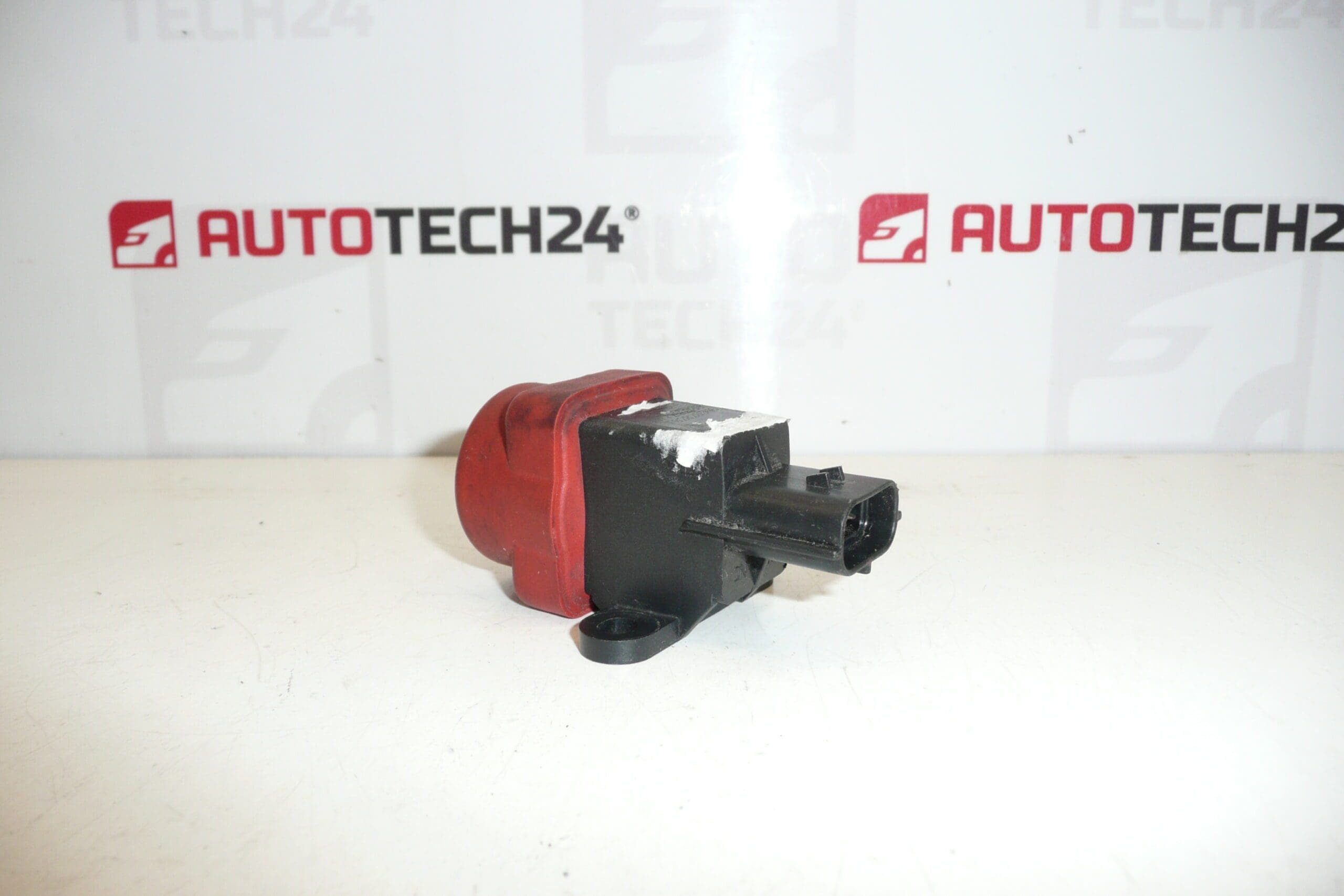
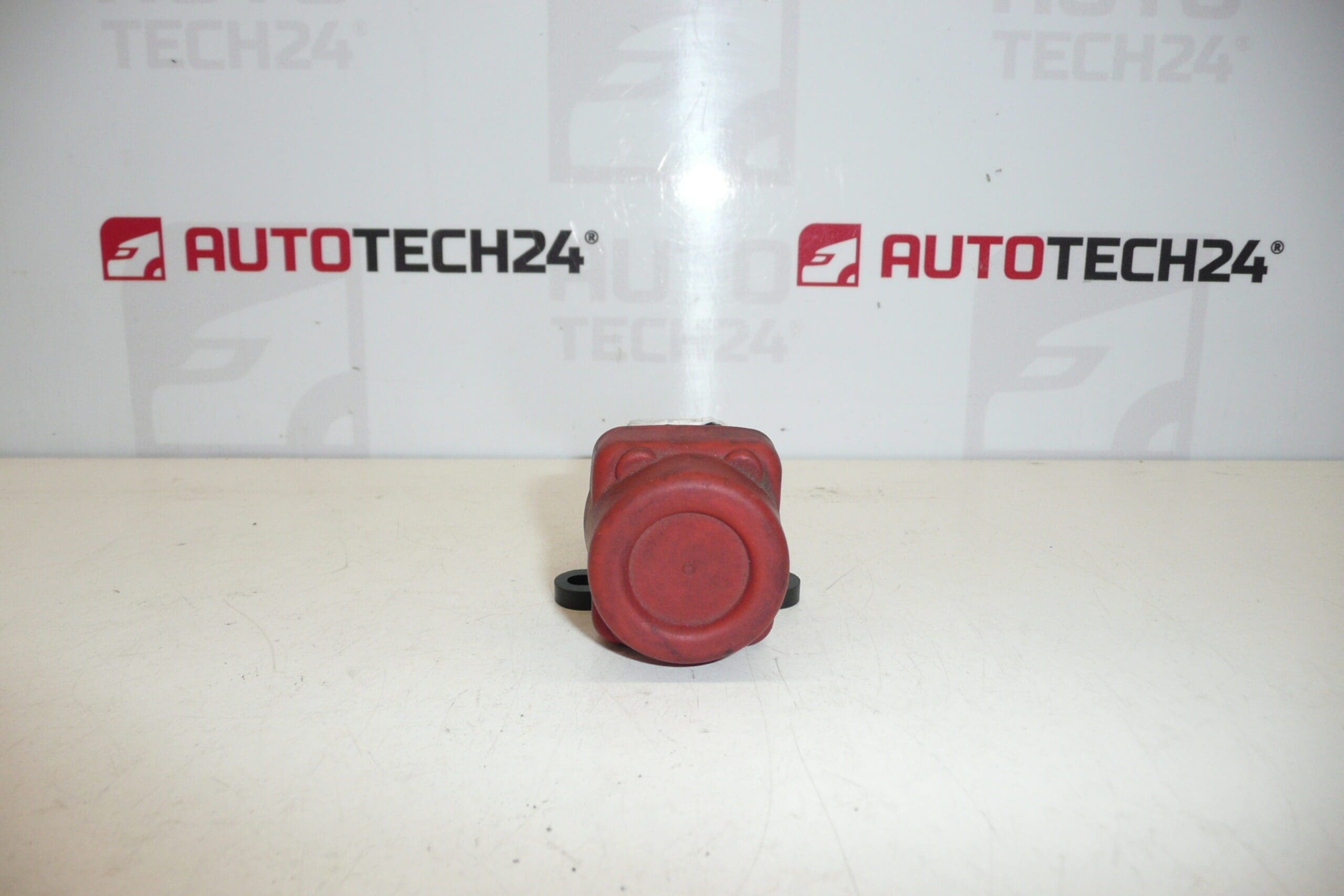
Impact sensor for cutting off fuel supply for Citroën and Peugeot vehicles. Inertial impact switch.
This inertial fuel cut-off sensor is designed for Citroën and Peugeot models to interrupt the fuel supply in the event of a collision, protecting the fuel system and reducing fire risk. Ideal for professional workshops and experienced DIY mechanics, the unit is commonly searched by part numbers 636654 and 1477226080. The compact, robust design ensures reliable operation under normal conditions and quick replacement in case of malfunction.
Technical Information
- Manufacturer: Stellantis / Citroën / Peugeot
- Model: Citroën Berlingo, Citroën Xsara, Citroën Xsara Picasso, Peugeot 306, Peugeot 406, Peugeot 607, Peugeot Partner
- Product Codes: 636654, 1477226080
- Additional Numbers: 636654 | 1477226080
Function
The inertia (impact) switch detects a significant deceleration or impact and cuts power to the fuel pump circuit to stop fuel delivery. This safety function reduces the risk of fuel leakage and fire after an accident. The switch operates electrically and typically resets manually or automatically depending on the vehicle design.
Symptoms And Diagnostics
- No fuel pump operation after an impact or sudden jolt.
- Engine cranks but does not start due to lack of fuel pressure.
- Intermittent fuel cut-off or vehicle stalls unexpectedly.
- Use a multimeter to check continuity and verify power at the connector; inspect for blown fuses and damaged wiring.
Installation
Replacement should be performed by a trained technician or an experienced DIY mechanic familiar with vehicle electrical safety. Typical replacement steps:
- Disconnect the negative terminal of the battery before starting work.
- Locate the inertia switch according to the vehicle repair manual (locations vary by model; commonly found in the passenger compartment, under trim panels, or in the engine bay).
- Remove any trim or covers to access the sensor. Unplug the electrical connector and remove mounting screws or clips.
- Fit the new sensor in the same orientation, secure mounting hardware and reconnect the electrical connector firmly.
- Reconnect the battery and perform a functional test: confirm fuel pump activation and absence of fault codes. Clear any related fault codes if present.
Recommendations For Fitting
- Always Disconnect The Battery Before Work To Prevent Short Circuits And Unintended Deployments.
- Use Correct Tools And Follow The Vehicle Manufacturer’s Removal/Mounting Torque And Procedures.
- Inspect Wiring Harnesses And Connectors For Corrosion Or Damage; Repair Any Faulty Wiring To Prevent Recurrence.
- After Installation, Verify Fuel Pump Operation And Check For Diagnostic Trouble Codes With Workshop Equipment.
Why The Part Most Commonly Fails
Common causes of failure include water ingress and corrosion of terminals, physical damage from previous impacts, internal mechanical wear, or electrical faults in the connector/wiring. In some cases the switch can trip during a collision and require replacement or reset. There is no fixed service interval; replacement is necessary when the unit no longer reliably interrupts or allows fuel supply when required.