Description
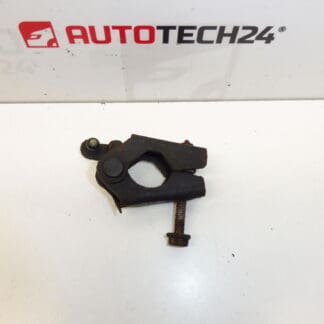
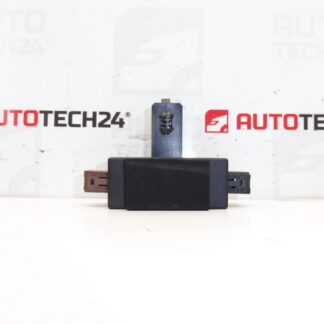
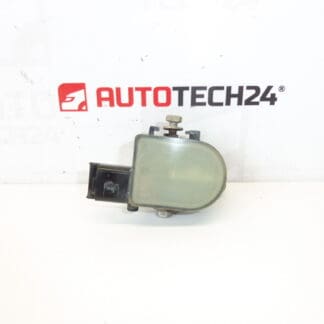
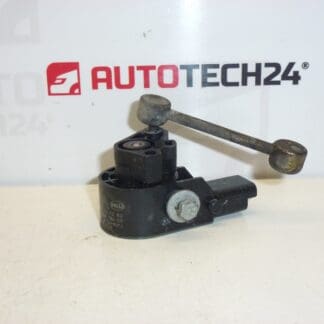
Front and rear body height sensor for Citroën C5 and C5 X7. Used part that may show surface rust but is guaranteed functional. Connecting ball joints shown in photos are not included.
Overview
This ride height sensor (also called suspension level sensor) is a direct-fit used replacement for Citroën C5 models, including C5 X7 platforms. It measures the vertical position of the body relative to the suspension and feeds that information to the vehicle’s suspension control system so the ride height and damping can be managed correctly. Ideal for professional workshops and DIY mechanics looking to restore correct suspension behaviour, stop suspension warning lights, or reduce excessive compressor running.
Features And Benefits
- Direct Fit For Citroën C5 X7 Applications — Matches OE Mounting Points And Electrical Connector.
- Restores Accurate Height Sensing — Eliminates False Level Faults And Compressor Overruns.
- Cost-Effective Replacement — Used Unit With Functional Guarantee, Suitable For Vehicles Showing Sensor Faults.
- Includes No Ball Joints — Ball Joint Linkage Shown In Photos Must Be Reused Or Replaced Separately.
Technical Information
- Manufacturer: Stellantis (Citroën / Peugeot)
- Model: Citroën C5, Citroën C5 X7
- Product Codes: 9641247280
- Other Numbers: 5273J4
Compatibility
Fits Citroën C5 range (including X7 generation) equipped with electronic height/level sensing. Verify model year and sensor mounting location visually when replacing; the same sensor type is commonly used on both front and rear linkages depending on vehicle equipment.
Function And Typical Symptoms
The sensor translates suspension geometry into an electrical signal for the suspension control module. Common symptoms of a failing sensor include suspension fault warnings on the instrument cluster, incorrect or unstable ride height, compressor running more frequently than normal, and uneven vehicle stance. Fault codes may reference level sensor circuits or implausible sensor values.
Replacement Procedure
- Raise And Secure Vehicle Safely On Jack Stands; Do Not Rely On A Hydraulic Jack Alone.
- Locate The Sensor On The Suspension Linkage (Front And/Or Rear Depending On The Fault).
- Disconnect The Electrical Connector And Remove Any Retaining Clips Or Fasteners.
- Disconnect The Ball Joint Linkage From The Suspension Arm — Note That Ball Joints Are Not Supplied With This Unit; Transfer The Original Linkage Or Fit New Linkage If Required.
- Fit The Replacement Sensor In Reverse Order, Ensuring Correct Orientation And Secure Fastening.
- Power Up The Vehicle And Cycle The Suspension System To Confirm Normal Operation; Clear Relevant Fault Codes If Present.
Installation Recommendations
- Inspect Ball Joints, Linkage Rods And Clips — Corroded Or Worn Linkage Should Be Replaced To Prevent Recurrent Faults.
- Use Appropriate Corrosion-Resistant Clips Or Fasteners When Reassembling.
- Check Electrical Connector For Corrosion Or Bent Pins And Clean Or Repair As Needed.
- After Installation, Verify Sensor Readings With Diagnostic Equipment Or By Observing Normal Compressor Behaviour And Ride Height.
- When Replacing A Single Sensor, Inspect The Opposite Side For Wear; Replacing Both Sides On The Same Axle Can Ensure Balanced Operation.
Why This Part Fails Most Often
Primary causes of failure are mechanical wear and environmental damage: corroded ball joints and linkages, ingress of water into the electrical connector, road salt corrosion, physical impact from road debris, and fatigue of internal sensor components over many years. Failures are more common on older cars and vehicles regularly exposed to winter salt or off-road conditions.
Notes
This is a used unit supplied as described. Ball Joints Shown In Photos Are Not Included And May Need To Be Reused Or Replaced Separately.