Description
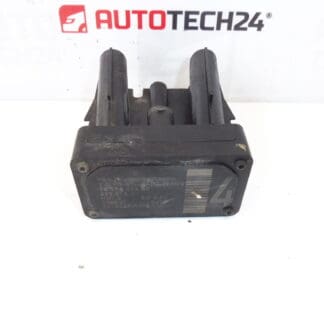
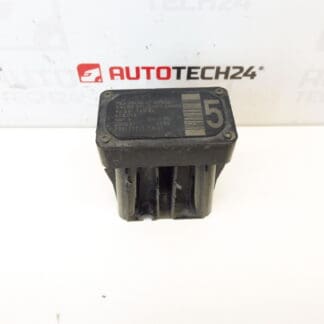
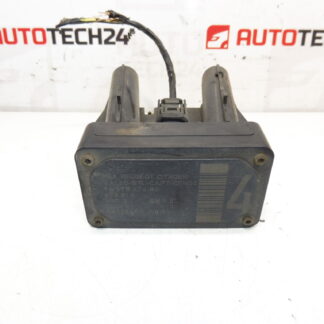
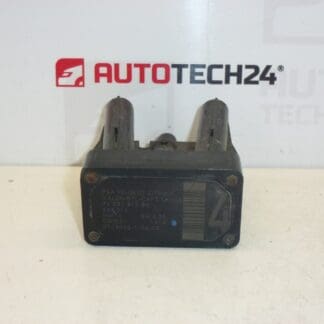
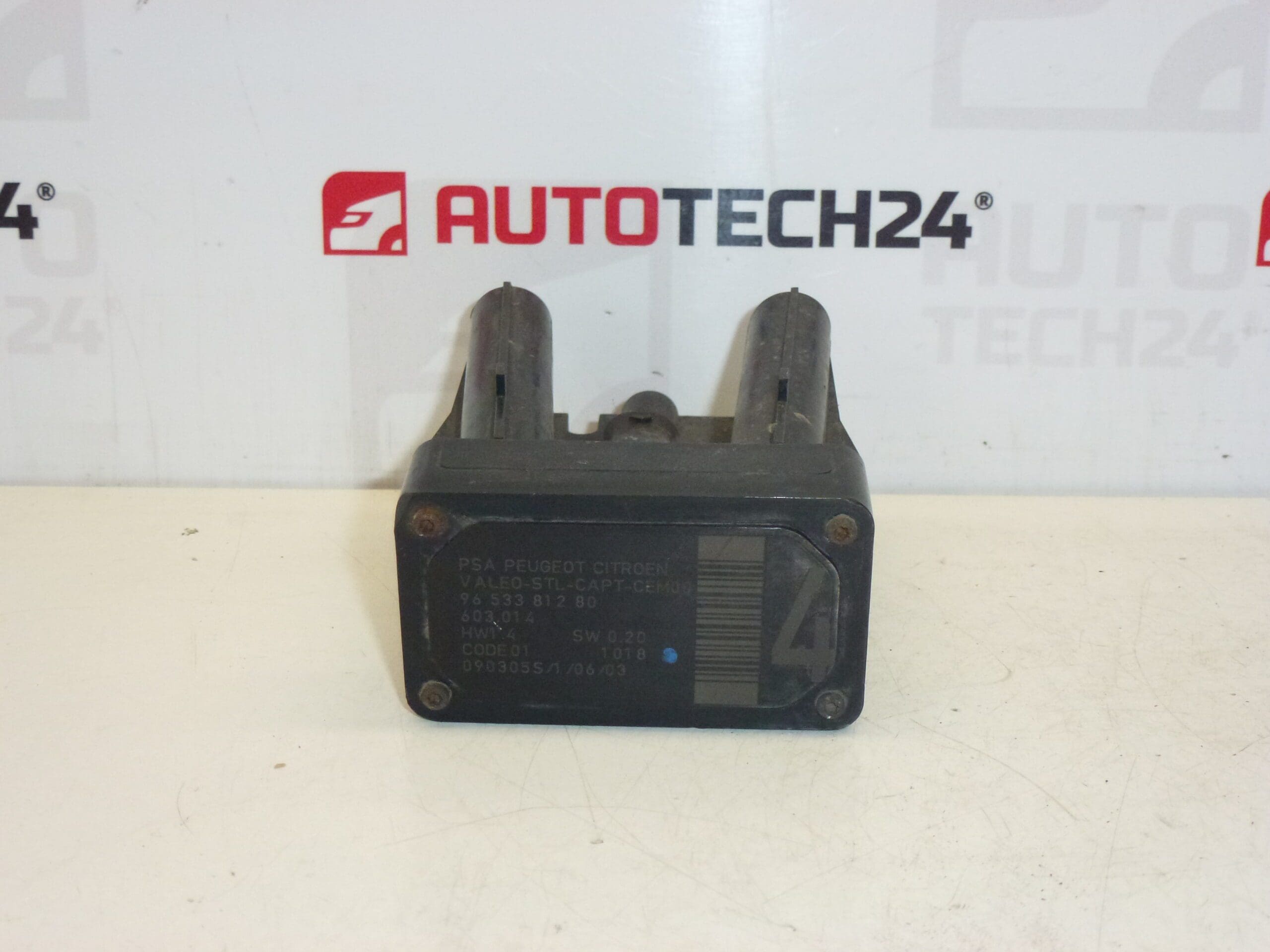
Lane Departure Monitoring Sensor AFIL Number 4 For Citroën And Peugeot Vehicles. A Screw Securing The Unit To The Wheel Arch May Be Seized — It Will Need To Be Drilled Out.
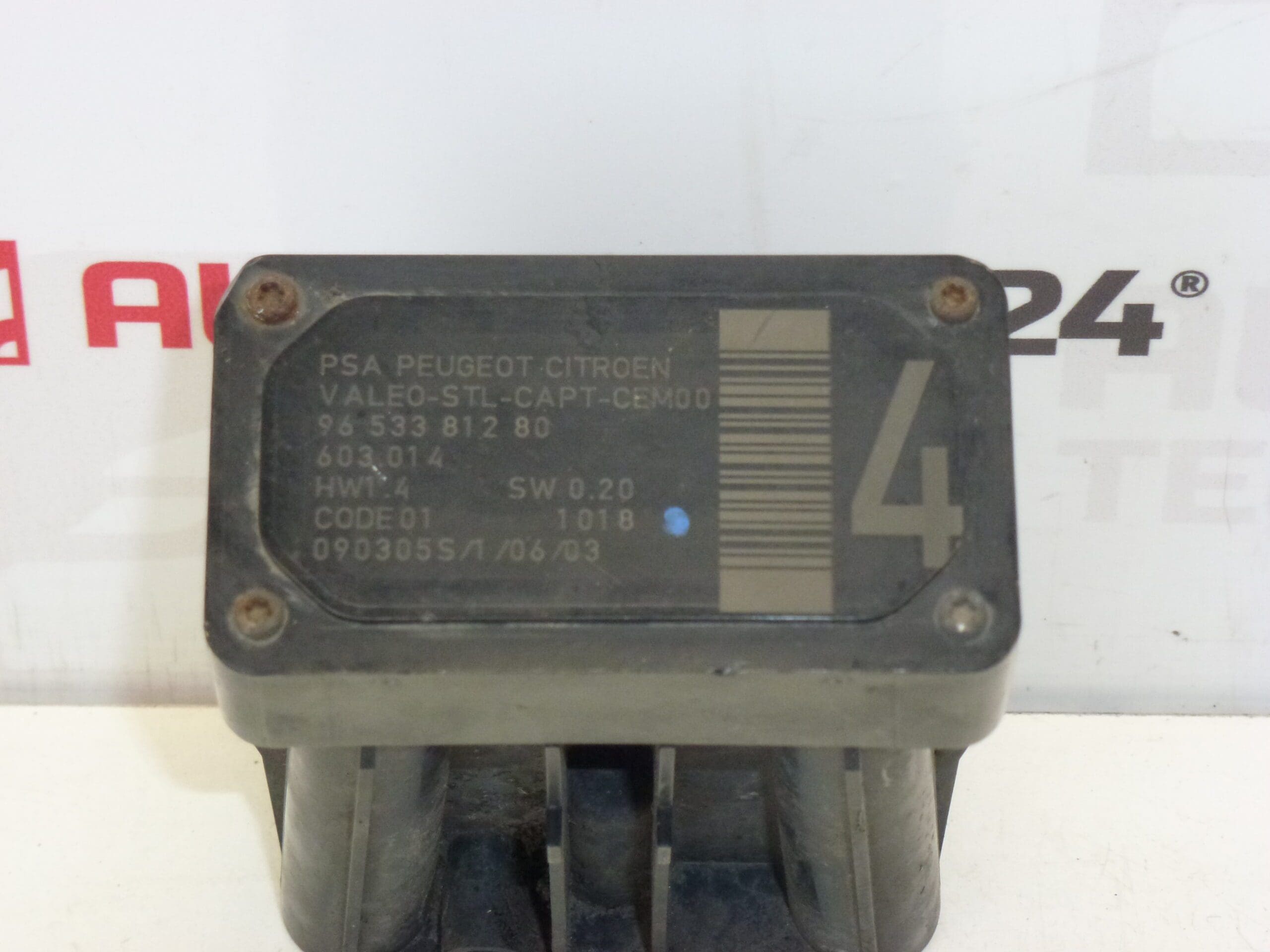
This AFIL (Lane Departure Warning) sensor is an OEM-compatible electronic component used on various Citroën and Peugeot models. It is commonly referenced by part numbers 9653381280 and 6590W1, so technicians and DIY enthusiasts often search using these codes. The sensor detects lane position events and supplies critical data to the vehicle’s ADAS systems. Suitable for garages and experienced home mechanics, the unit offers a direct replacement option that restores lane-departure monitoring functionality without the need for major body repairs.
The sensor’s primary function is to monitor lateral position relative to lane markings and to feed signals to the vehicle’s warning and driver-assist systems. Physically it is mounted near the wheel arch or bumper area and connects to the vehicle wiring harness. Proper electrical connection and secure mechanical mounting are essential for accurate operation. Replacing a faulty sensor typically returns lane-warning functions and eliminates false alerts or permanent faults shown in the vehicle’s diagnostics.
Technical Information
- Manufacturer: Stellantis
- Model: Citroën C5; Citroën C5 X7; Citroën C6; Peugeot 407
- Product Codes: 9653381280; 6590W1; 603.014
- Other Numbers: AFIL Sensor No. 4
Installation And Replacement Notes
- Access: Remove the wheel and inner wheel-arch liner or lower bumper cover to reach the sensor mounting point.
- Disconnect: Unplug the electrical connector before removing the sensor. Inspect connector pins for corrosion or bent terminals.
- Mounting Fixing: One of the mounting screws is frequently seized or stripped; it may need to be drilled out and replaced with a new screw of the correct grade.
- Refit: Secure the new sensor with clean fixings, route the harness without tension, and protect the connector using dielectric grease if available.
- Calibration: After fitment, perform a diagnostic check and recalibration if required by the vehicle. Some models require electronic calibration via OBD diagnostic tools or a short road test to confirm correct operation.
Why This Part Fails Most Often
Common failure causes include water ingress and corrosion of connectors, physical impact or deformation from minor collisions, and deterioration of internal electronics over time. The mounting screw commonly seizes due to corrosion or over-tightening during previous repairs, which is why drilling the old screw out is often necessary. Environmental exposure (road salt, moisture) and mechanical damage are the leading reasons for sensor faults.
Service Life And Practical Tips
There is no fixed replacement interval; longevity depends on vehicle use and environmental conditions. Sensors often remain serviceable for many years but become more likely to fail on high-mileage cars or vehicles regularly exposed to harsh climates. When replacing the sensor, always inspect surrounding harnesses and mounting points and replace any damaged clips or seals to prevent rapid recurrence of faults.