Description
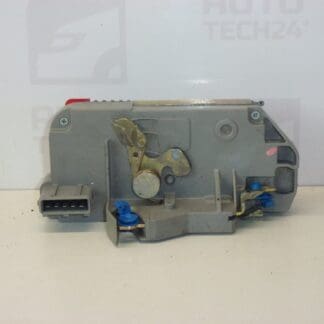
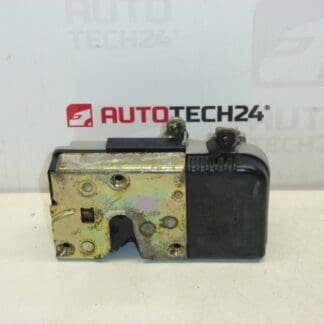
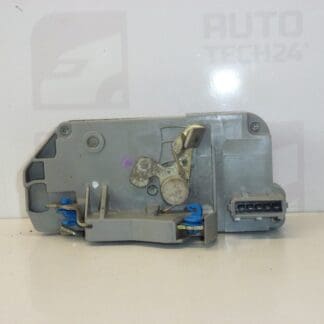
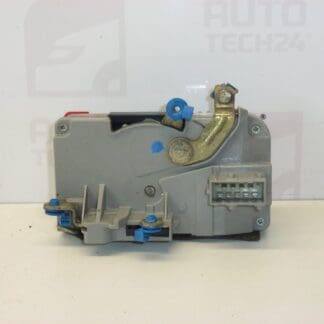
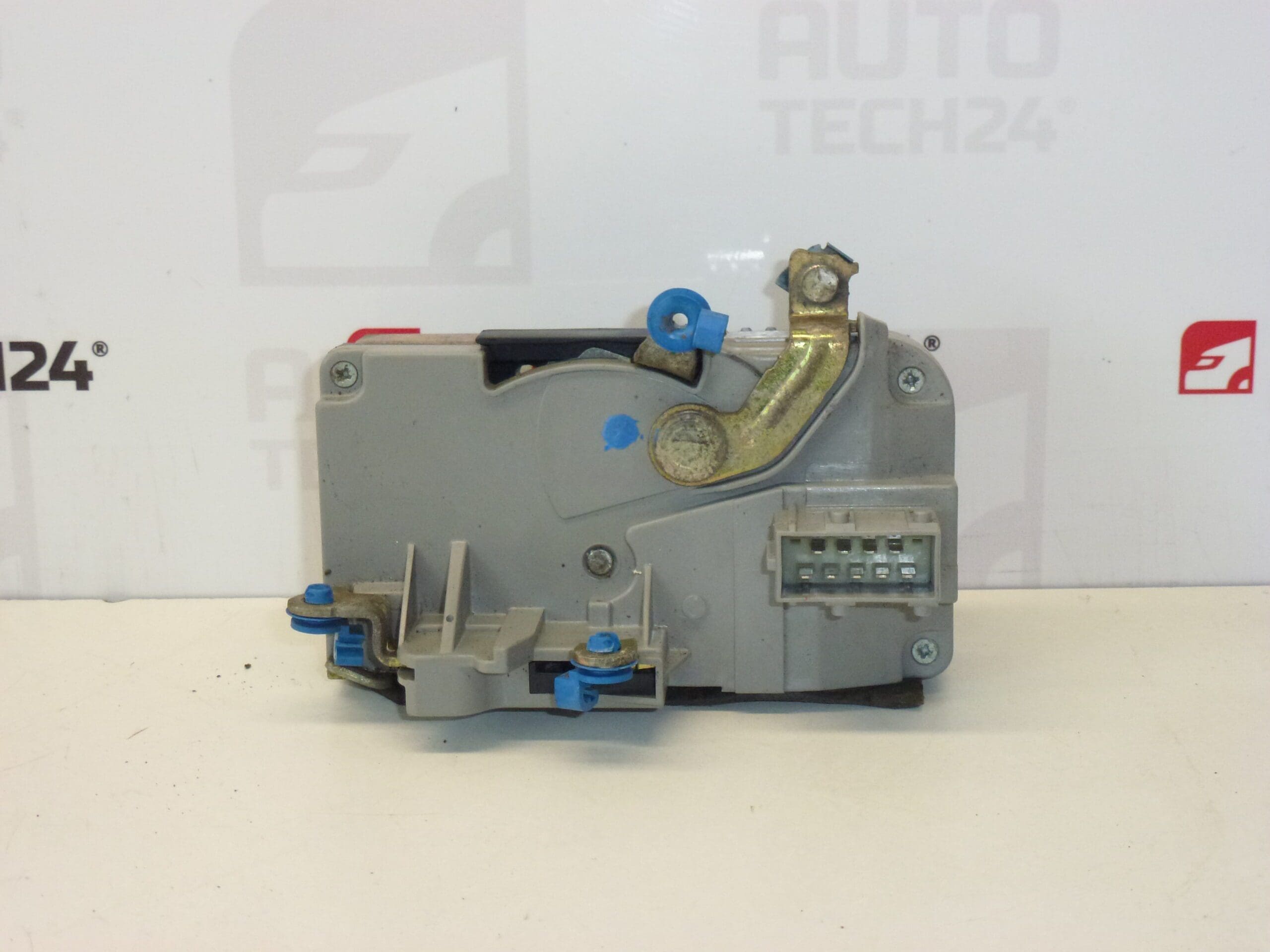
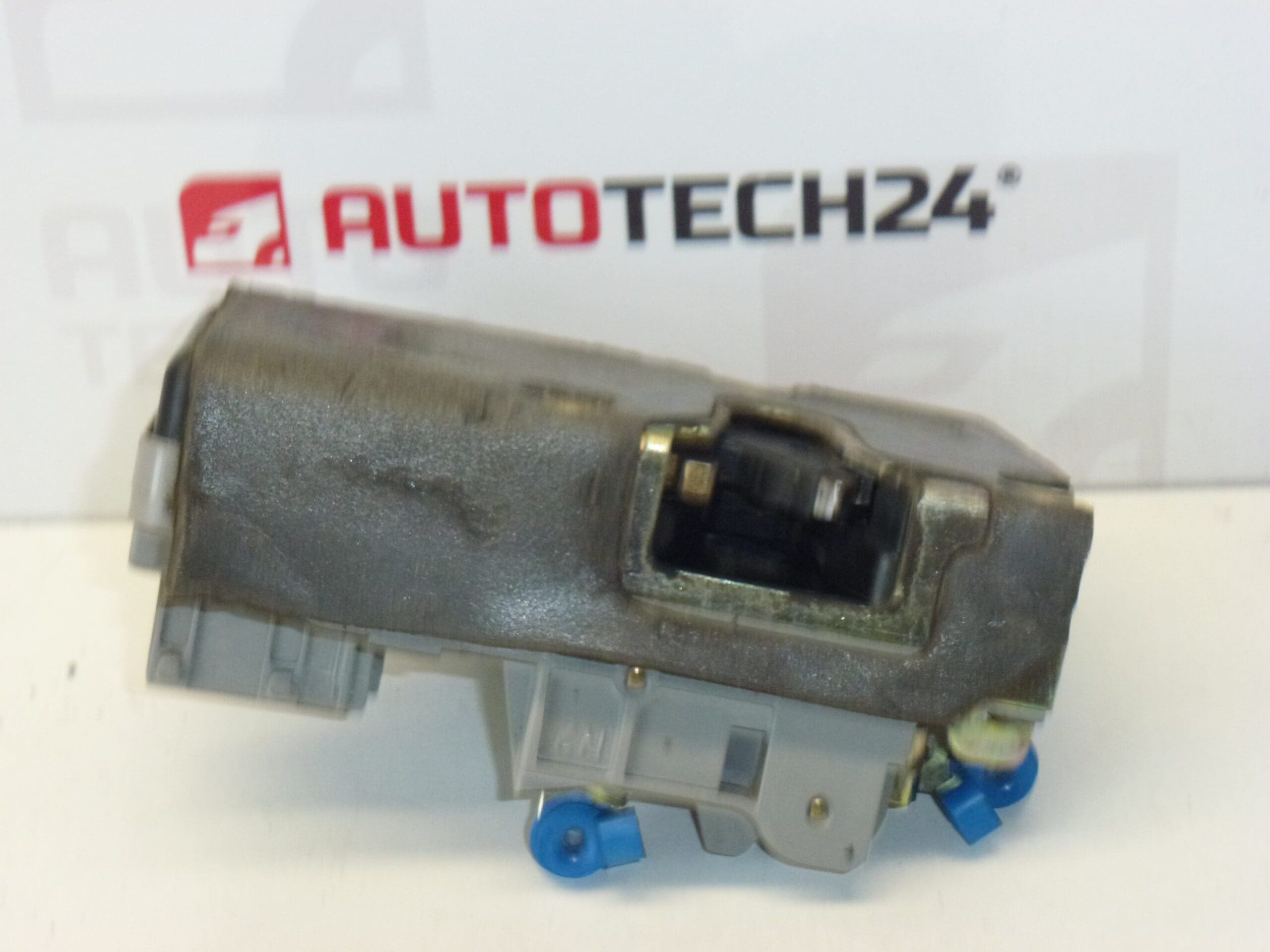
Electric central locking actuator – Right front passenger door.
For Citroën Berlingo, Xantia and Peugeot Partner I and II, Peugeot 406.
Square two-row connector
Overview
This electric central locking actuator is designed for the right front (passenger) door of selected Citroën and Peugeot models. It corresponds to part code 9136J6 and features a square two-row connector for simple plug-in installation. The unit operates the door latch as part of the vehicle’s central locking system and is a common replacement item on older PSA/Stellantis vehicles where wear or water ingress has affected the original actuator.
Features And Benefits
- Direct-fit replacement for vehicles using the 9136J6 part code.
- Square two-row connector for reliable electrical connection.
- Restores central locking function on the right front passenger door.
- Suitable for both professional workshops and competent DIY mechanics.
- Helps eliminate intermittent locking, failure to lock/unlock, and noisy or slow actuation.
Technical Information
- Manufacturer: Stellantis (Citroën / Peugeot)
- Model: Citroën Berlingo, Citroën Xantia, Peugeot Partner I, Peugeot Partner II, Peugeot 406
- Product Codes: 9136J6
- Additional Numbers: No Additional OEM Numbers Provided
Installation Recommendations
Disconnect the negative battery terminal or disable the vehicle’s electrical system before starting work. Remove the door trim panel and any vapor barrier carefully to access the actuator. Unplug the electrical connector (square two-row) and detach the actuator from the latch assembly by removing retaining screws or clips. Transfer any linkages or rods to the new actuator, install the replacement unit, reconnect the electrical plug and test lock/unlock operation before reassembling the door trim. Use light dielectric grease on the connector contacts if corrosion is present and lubricate mechanical linkages with suitable grease. Ensure all fasteners are tightened to the manufacturer’s specification and verify proper latch alignment during final testing.
Why This Part Fails
The most common causes of actuator failure are mechanical wear of internal gears, motor burnout from repetitive cycling, water ingress and corrosion, and broken or fatigued plastic components. Vehicles exposed to moisture, road salt, or frequent heavy use of the central locking system are more likely to experience premature failure. Symptoms include intermittent locking/unlocking, loud or grinding noises from the door, or complete loss of function on the affected door.
Signs You Need Replacement
- Right front door does not lock or unlock with central locking commands.
- Noisy operation (grinding, clicking) from the door latch area.
- Intermittent function that sometimes responds and sometimes does not.
- Visible corrosion or water in the door cavity around the actuator.
Notes For Mechanics And DIYers
When replacing the actuator, also inspect the door latch, rods and clips for wear or damage and replace or lubricate as needed. Check the wiring harness and connector for corrosion or loose pins. After installation, perform several lock/unlock cycles and check the central locking system for proper synchronization with the other doors. Keep the vehicle secure during testing and follow standard workshop safety procedures.