Description
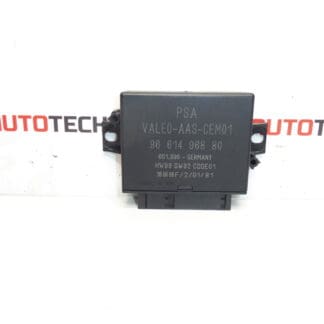
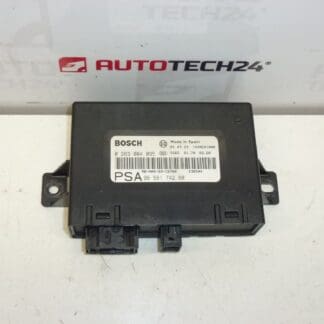
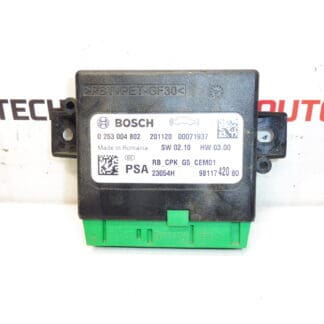
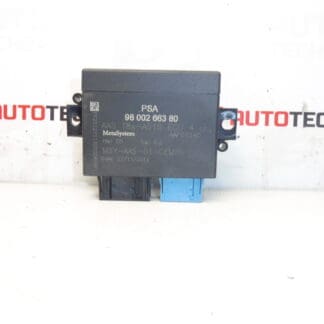
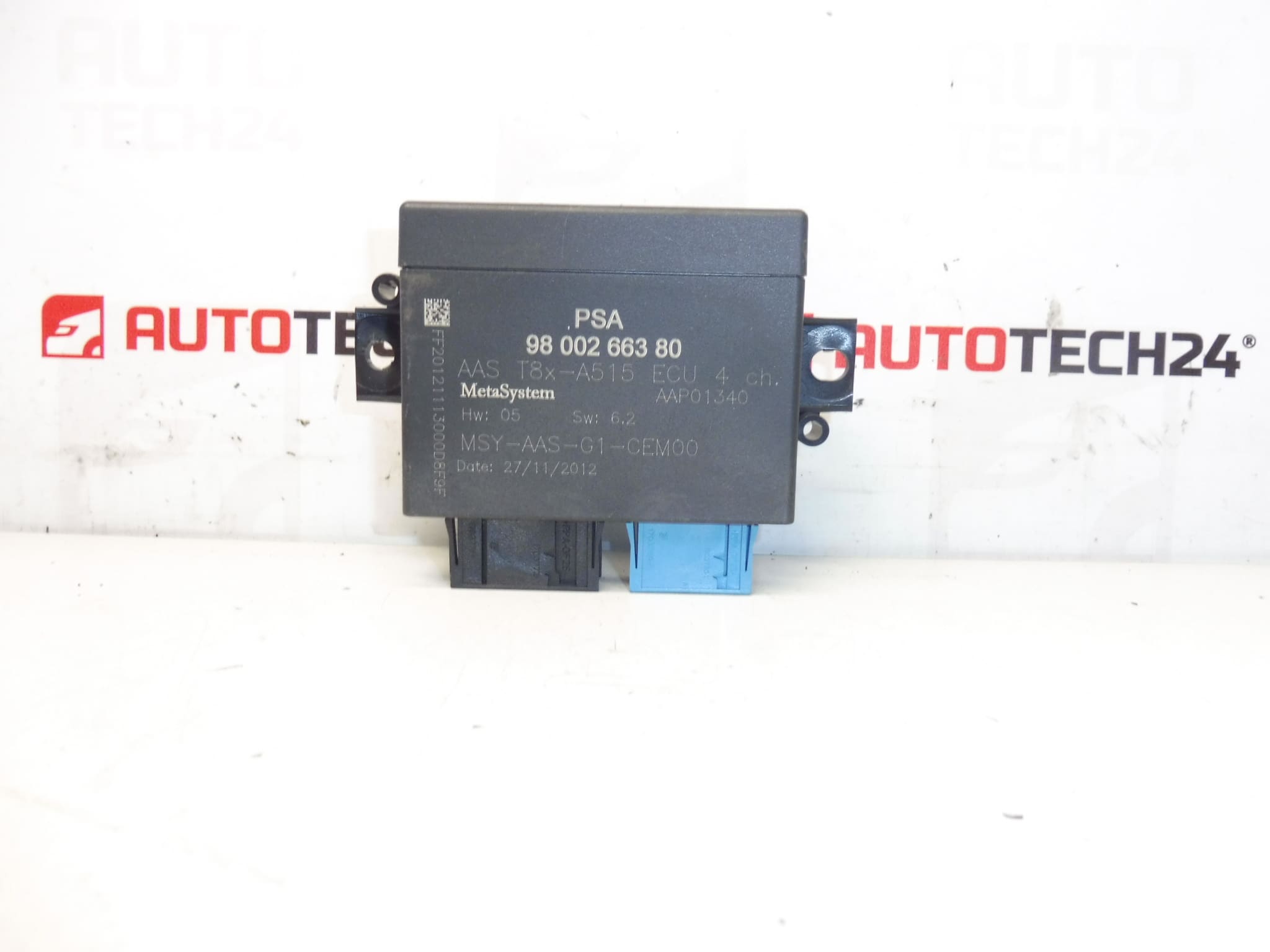
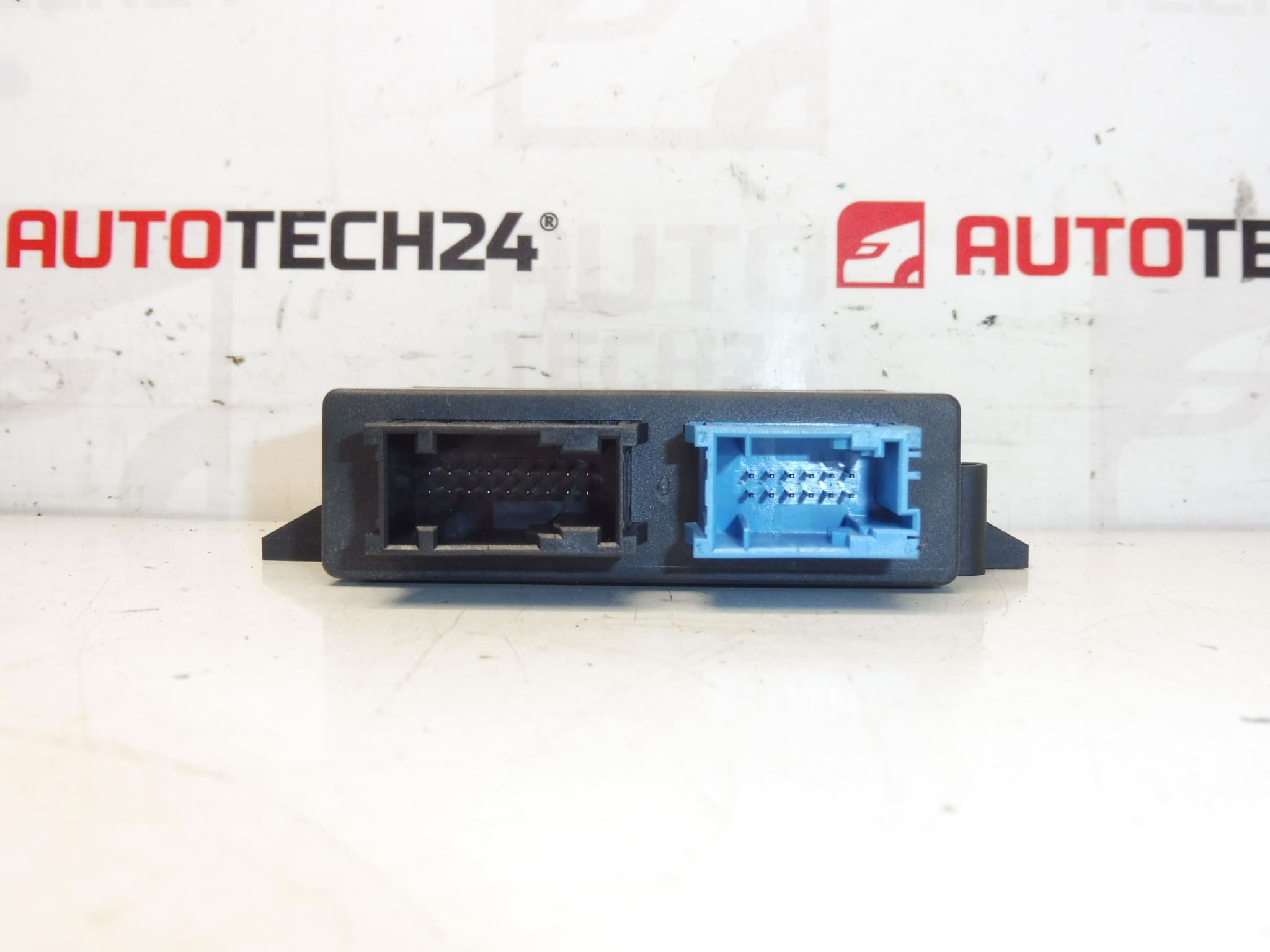
Control unit for parking assist for Peugeot 3008 and 5008 first generation. Front and rear sensors.
Overview
This PDC (Parking Distance Control) control unit is designed for first‑generation Peugeot 3008 and 5008 vehicles and manages both front and rear ultrasonic sensors. Supplied under OE numbers 9800266380 / 1607732680 / 6590KA, the module processes sensor signals and triggers audio/visual warnings to assist safe low‑speed manoeuvring. It is a direct replacement part intended for technicians and experienced DIYers who maintain Stellantis platform vehicles.
Compatibility & Application
Fits:
Function: Controls Front And Rear Parking Sensors, Evaluates Distance, Generates Warning Tones/Indicators.
How To Replace
- Ensure Vehicle Is Secure And Parked On A Level Surface.
- Disconnect The Negative Terminal Of The Battery Before Any Work.
- Access The Unit According To The Vehicle Manual (Location Varies By Trim; Often Mounted Near The Rear Luggage Area Or Behind Interior Trim Panels).
- Remove Trim Panels Carefully To Expose The Module; Avoid Damaging Clips And Harnesses.
- Unplug Electrical Connectors By Releasing Locks; Inspect Connectors And Wiring For Corrosion Or Damage.
- Unbolt The Module, Transfer Any Brackets If Required, And Install The Replacement Unit Securely.
- Reconnect Connectors, Refit Trim, Reconnect The Battery.
- Perform System Checks And Any Required Calibration/Initialization With A Diagnostic Tool.
Installation Recommendations
- Always Disconnect The Battery Before Removing Or Installing The Unit To Avoid Short Circuits And Potential Damage.
- Inspect Sensor Wiring And Connectors While The Unit Is Accessible; Replace Damaged Clips Or Seals To Prevent Future Water Ingress.
- Apply A Thin Film Of Dielectric Grease To Connector Pins If Exposed To Moisture.
- After Mechanical Fitment, Run A Full Diagnostic And Sensor Test. If The System Shows Fault Codes Or Incorrect Sensor Readings, Recheck Harnesses And Grounds.
- Calibration/Initialization: Some Vehicles Require A Diagnostic Tool To Clear Faults And Validate Sensor Operation. Use A PSA‑Compatible Tool (DiagBox/Lexia) Or Equivalent For Full Functional Tests And Sensor Learning.
- If You Are Uncertain About Coding Or Advanced Calibration Steps, Have A Technician With Proper Diagnostic Equipment Complete The Final Setup.
Why This Part Fails
Common failure causes include:
- Water Ingress And Corrosion Of Connectors Or Internal Electronics Due To Damaged Seals Or Impact To The Rear/Front Bumper.
- Physical Impact From Parking Accidents Or Road Debris Damaging The Module Or Sensors.
- Damaged Wiring Or Short Circuits From Previous Repairs Or Rodent Damage.
- Electrical Surges Or Faulty Vehicle Grounds Causing Component Failure.
- Sensor Failures That Cause Excessive Load/Errors On The Module; Replacing The Module Without Addressing Faulty Sensors Or Wiring May Result In Recurring Issues.
Technical Information
- Manufacturer: Stellantis (Citroën/Peugeot)
- Model: Peugeot 3008 I; Peugeot 5008 I
- Product Codes: 9800266380, 1607732680, 6590KA
- Other Numbers: 1607732680 | 6590KA | 9800266380
Notes For Mechanics And DIYers
This unit is commonly referenced by its OE part numbers when sourcing or searching online—include these codes in parts searches to improve results. Replace the module together with a full check of sensor operation and wiring to ensure a long‑term repair. If the vehicle displays persistent faults after swap, confirm sensor integrity and perform a full diagnostic session to identify any residual issues.