Description
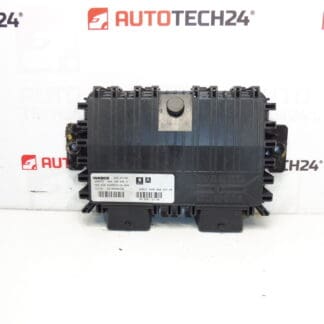
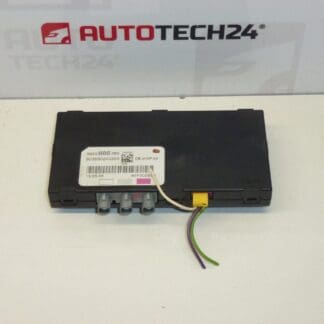
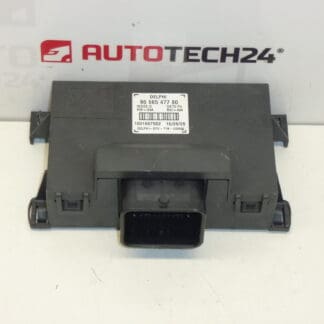
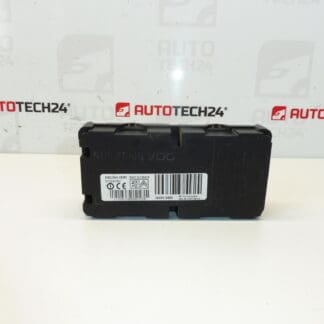
Control Unit For Tire Pressure Monitoring For C5 X7 Vehicles
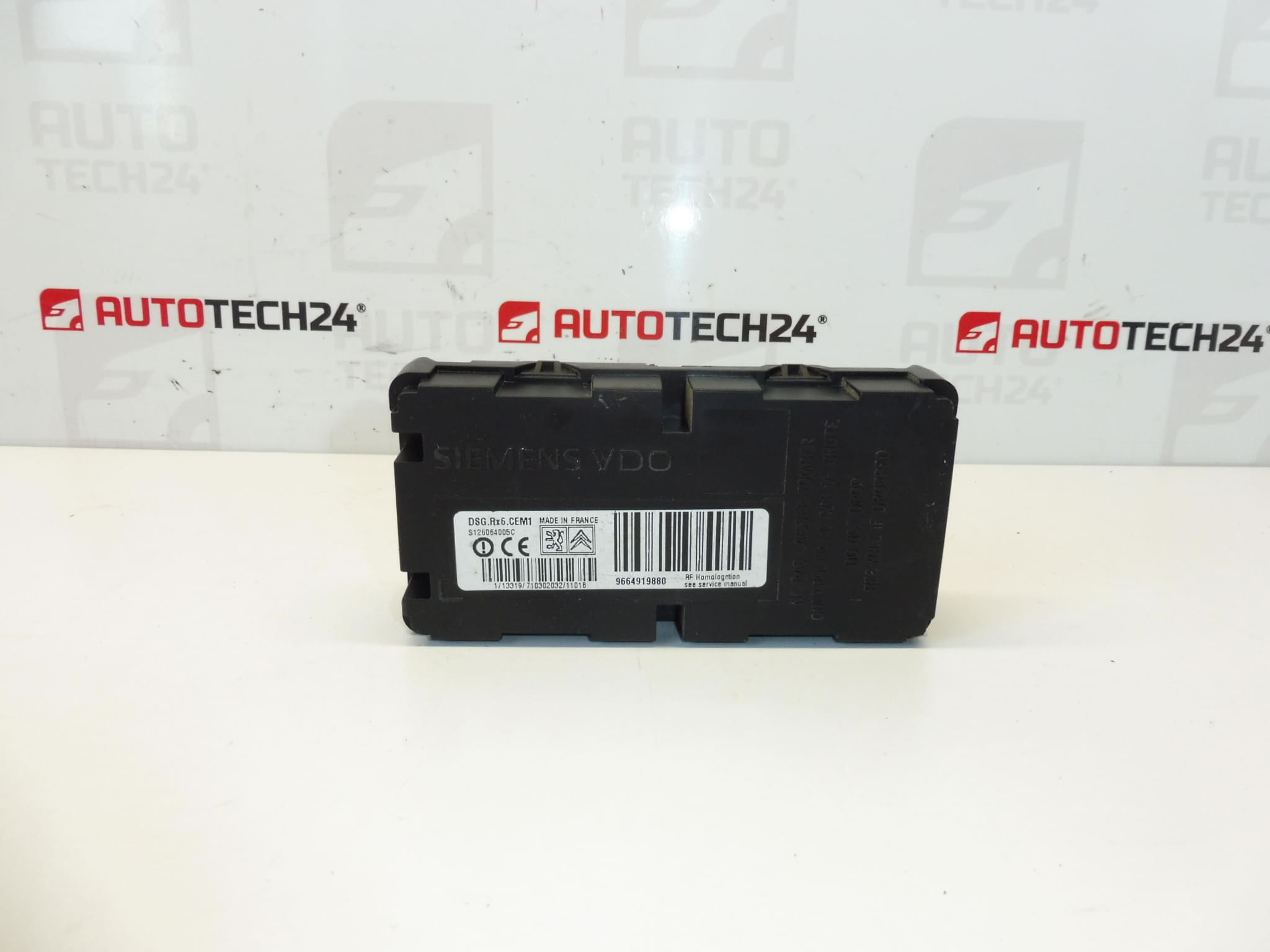
This Tire Pressure Monitoring Control Unit (TPMS Control Unit) is designed for Citroën C5 X7 vehicles and is often searched for by part numbers 9664919880, S126064005C and 5430N0. The module receives signals from wheel sensors, evaluates tyre pressure and sensor status, and communicates warnings to the instrument cluster. Suitable for professional workshops and experienced DIY mechanics who need a reliable replacement part to restore accurate tyre pressure monitoring and on-board diagnostics.
Function And Benefits
The unit continuously monitors tyre pressure information transmitted by the wheel sensors and triggers visual or audible warnings if underinflation or sensor faults occur. Restoring a correctly functioning TPMS improves driving safety, fuel economy and tyre life. Using the correct control unit ensures consistent communication with the vehicle’s CAN network and prevents false warnings or intermittent faults.
Technical Information
- Manufacturer: Stellantis (Citroën/Peugeot)
- Model: Citroën C5 X7
- Product Codes: 9664919880; S126064005C; 5430N0
- Additional Numbers: 5430N0
Compatibility And Application
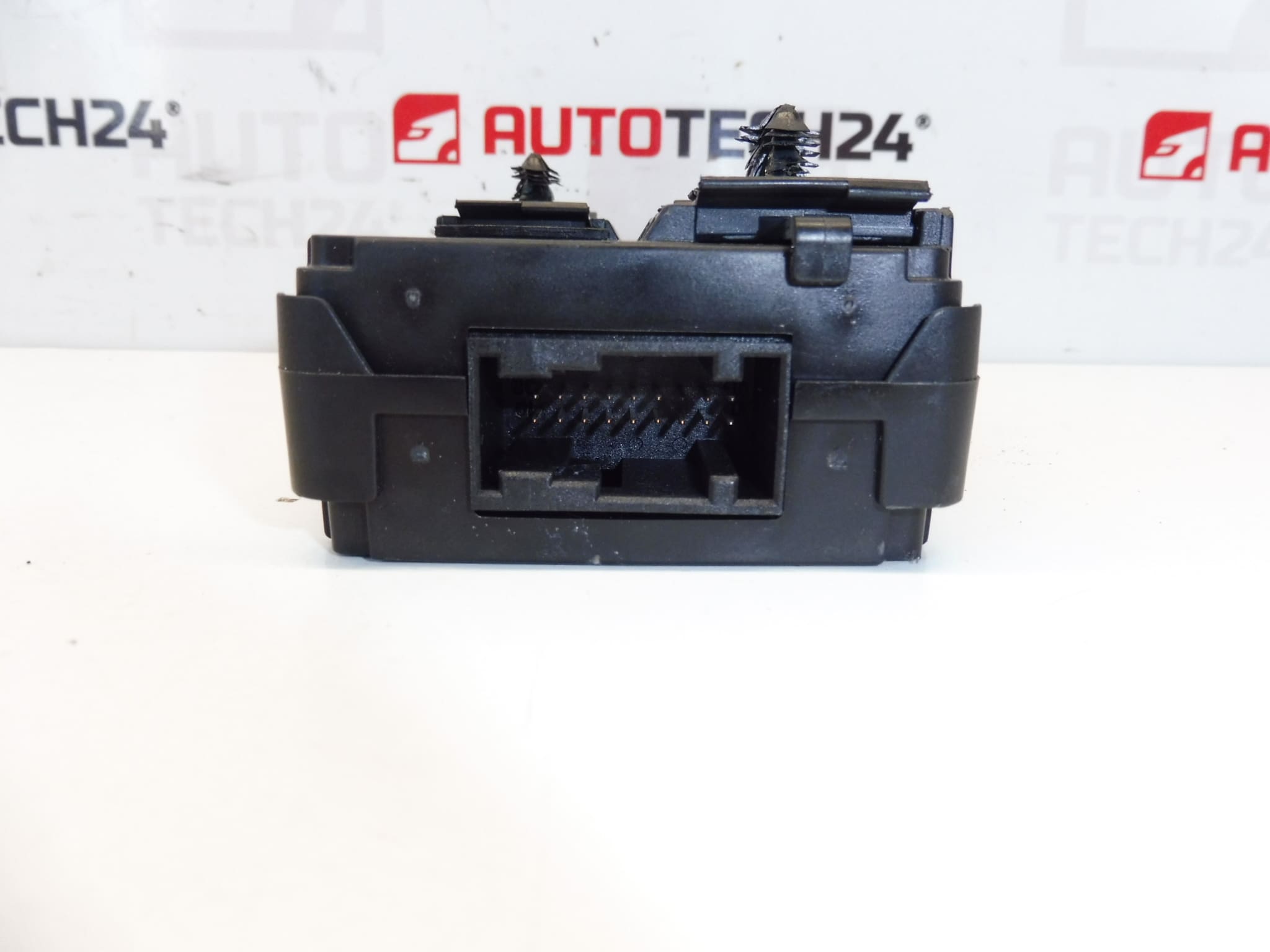
Designed for Citroën C5 X7 applications. The part is commonly referenced by its product codes in spare parts searches and fitment guides. Verify physical match with the original unit and connector type before installation. This control unit is intended to replace the vehicle’s original TPMS module to restore correct pressure monitoring functionality.
How To Replace
Replacement should be performed by a trained technician or an experienced DIY mechanic. Typical replacement steps:
- Park the vehicle on a level surface, engage the handbrake and switch off ignition.
- Disconnect the negative battery terminal before starting any electrical work.
- Locate and access the TPMS control unit (location varies by vehicle; remove necessary trim or covers to reach the module).
- Unplug the electrical connector and remove mounting fasteners.
- Install the new unit, secure fasteners and reconnect the connector.
- Reconnect the battery, clear stored fault codes and perform TPMS sensor relearn or registration using a suitable diagnostic tool or the vehicle’s relearn procedure.
- Confirm correct operation by checking for warnings on the instrument cluster and performing a short test drive.
Installation Recommendations
- Always disconnect the battery before removal and installation to avoid short circuits or damage to electronic modules.
- Use proper trim tools to avoid damaging interior panels or retainers when accessing the unit.
- After replacement, perform TPMS sensor relearn and clear fault codes with a compatible diagnostic tool to ensure the system recognises all sensors.
- Check connectors and wiring for signs of corrosion or damage and repair as needed to prevent repeated faults.
Common Failure Causes
- Moisture Ingress And Corrosion: Water or condensation can corrode connectors and internal electronics, causing intermittent or permanent failure.
- Electrical Surges Or Short Circuits: Faulty wiring, jump-starts or battery issues can damage the module’s electronics.
- Impact Or Mechanical Damage: Accidents or improper handling during repair can crack the housing or damage internal components.
- Ageing And Thermal Stress: Over many years thermal cycling can degrade solder joints and electronic components.
- Sensor Communication Faults: Bad wheel sensor batteries or damaged sensors can produce errors that may be attributed to the control unit.
Replacing the TPMS control unit with a correctly coded and functioning module restores reliable tyre pressure monitoring and reduces the risk of undetected underinflation. Search by part numbers 9664919880, S126064005C or 5430N0 to find compatible listings quickly.