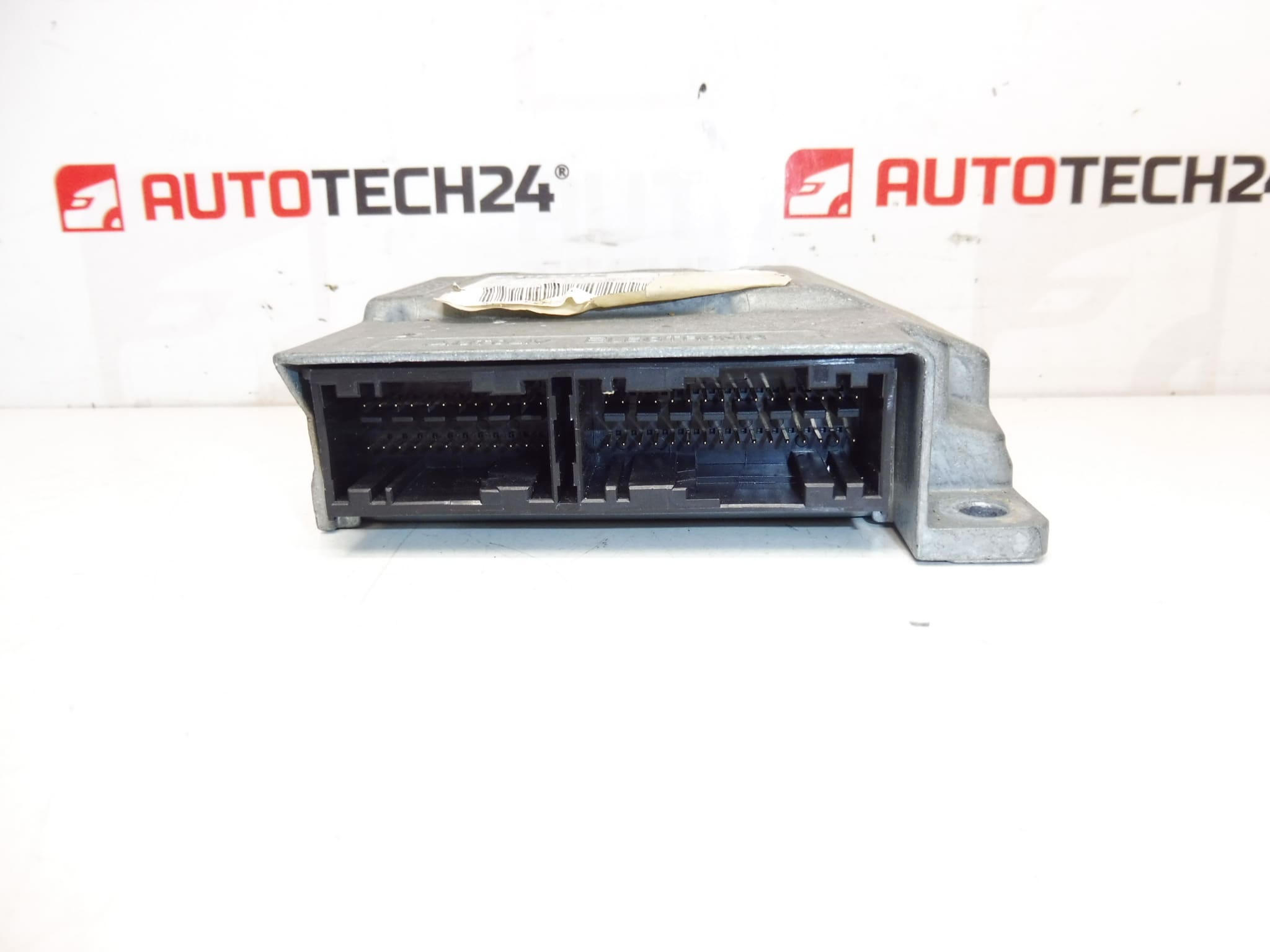
Description
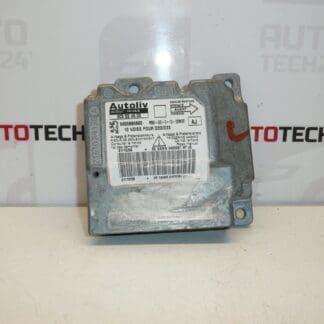
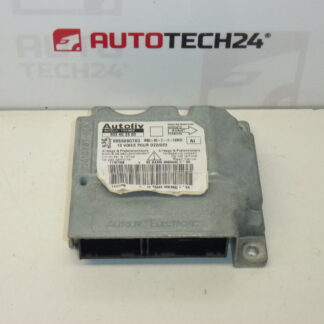
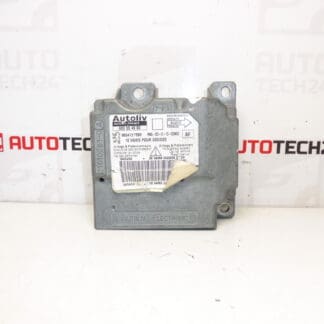
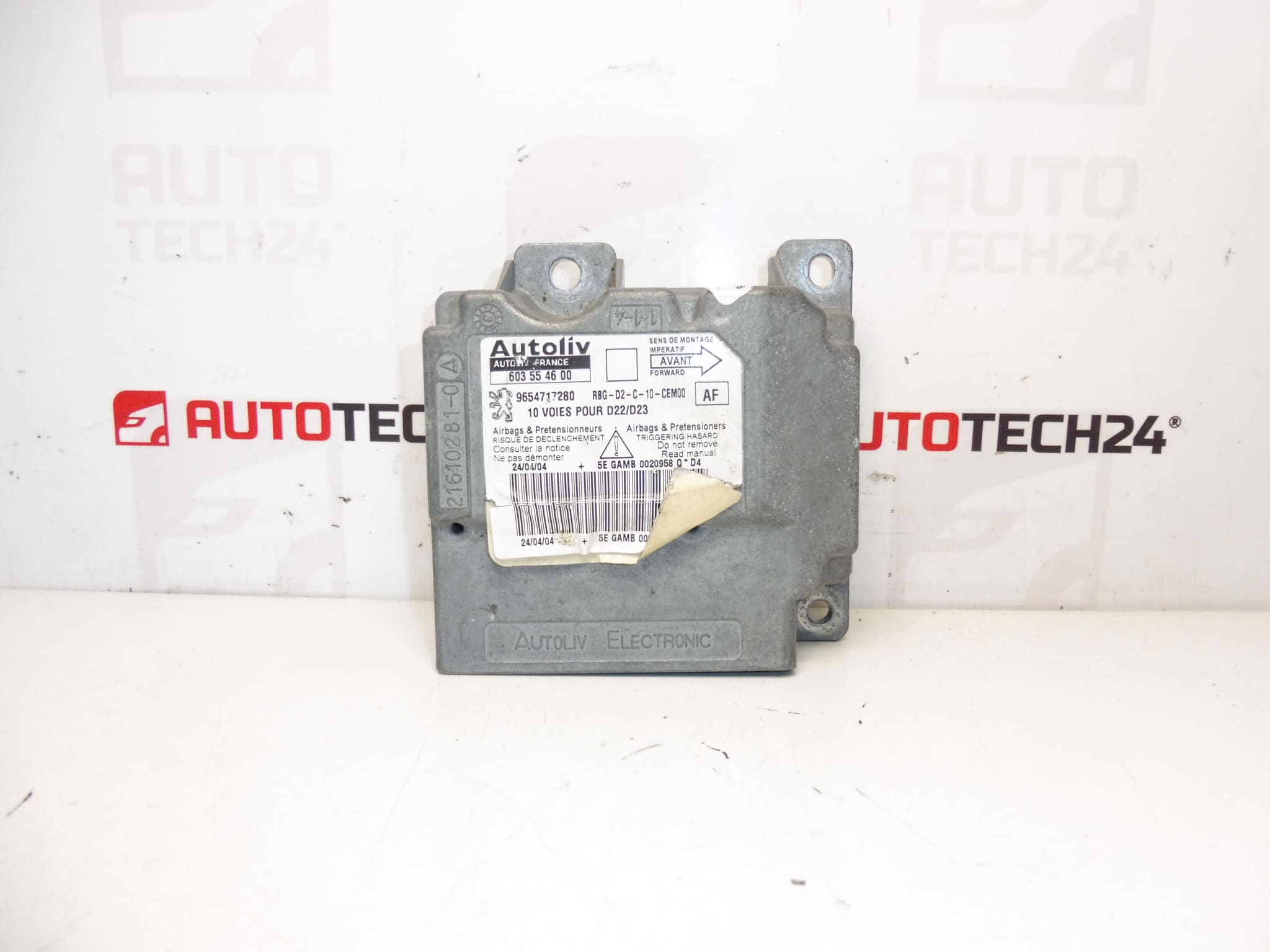
Autoliv Airbag Control Unit for Peugeot 407
Product Overview
High-quality airbag control unit manufactured by Autoliv, designed for Peugeot 407 vehicles. This unit is responsible for monitoring the airbag system, processing inputs from crash and occupant sensors and triggering deployment of airbags and seatbelt pretensioners when necessary. Commonly searched under OEM and supplier codes, this module is a direct-replacement part for vehicles with matching part numbers.
Key Benefits
- Direct replacement for vehicles using the listed part numbers — simplifies sourcing and reduces downtime.
- Designed to meet original crash-detection and deployment logic for occupant safety systems.
- Compact, durable electronics built for automotive vibration and thermal environments.
Application / Compatibility
Fits Peugeot 407 models equipped with the Autoliv airbag control module. Match the unit by product code to ensure compatibility. Commonly referenced numbers and supplier codes are included below to help identify correct fitment.
Technical Information
- Manufacturer: Autoliv
- Model: Peugeot 407
- Product Codes: 9654717280, 603554600
- Other Numbers: 6545HY, 6545HZ
Function
The airbag control unit continuously monitors crash sensors, impact thresholds and seatbelt pretensioner circuits. In a collision event, it evaluates sensor data and, if thresholds are exceeded, commands deployment of airbags and pretensioners. It also stores fault codes and crash event data for diagnostics.
Typical Failure Modes
Airbag control units are generally long-lived but can fail or require replacement for several reasons:
- Activation After A Crash: Unit Replacement Is Required After Airbag Deployment.
- Water Ingress Or Humidity Damage Causing Corrosion Of Connectors Or Internal Electronics.
- Electrical Surges Or Short Circuits In The Vehicle Wiring Causing Internal Damage.
- Connector Corrosion Or Poor Grounding Leading To Intermittent Faults And Error Codes.
- Sustained Fault Codes Indicating Internal Sensor Or Memory Errors.
Replacement And Installation
Installation should be performed by a qualified technician or a competent DIY mechanic following safe procedures. General steps:
- Disconnect The Vehicle Battery And Wait Sufficient Time For Capacitors To Discharge (Manufacturer Recommendations Typically Apply).
- Locate The Airbag Control Unit (Refer To Vehicle Repair Manual For Exact Position And Fixing Points).
- Carefully Disconnect Wiring Harnesses, Observing Connector Locks And Pin Alignment.
- Remove Mounting Fasteners And Replace Unit With Correct Part.
- Reconnect Harnesses Securely, Refit Fasteners To Specified Torque, And Reconnect The Battery.
A diagnostic scan tool is recommended after installation to confirm fault codes are cleared and the system reports normal status. Avoid Opening Or Attempting To Repair The Unit; Replace If Damaged.
Mounting Recommendations
- Always Use Proper Torque For Mounting Bolts To Avoid Excessive Vibration Or Movement.
- Ensure Connectors Are Clean, Dry And Fully Seated; Use Dielectric Grease On Exposed Pins If Recommended By Repair Manual.
- Avoid Placing Unit Where It Will Be Exposed To Water Or Direct Heat Sources.
Why This Part Is Searched By Mechanics And DIY Enthusiasts
Airbag control units are commonly requested by part number after a collision or when the airbag light indicates a fault. Providing accurate OEM and supplier codes helps technicians quickly verify compatibility and source the correct replacement module.
Important Notes
- Do Not Attempt To Reprogram Or Clone The Unit Unless You Have The Appropriate Diagnostic Equipment And Expertise.
- Replacement May Require Diagnostic Clearing Of Crash Data And Verification Of Sensor Inputs Using Professional Tools.