Description
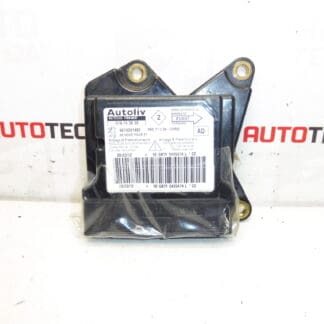
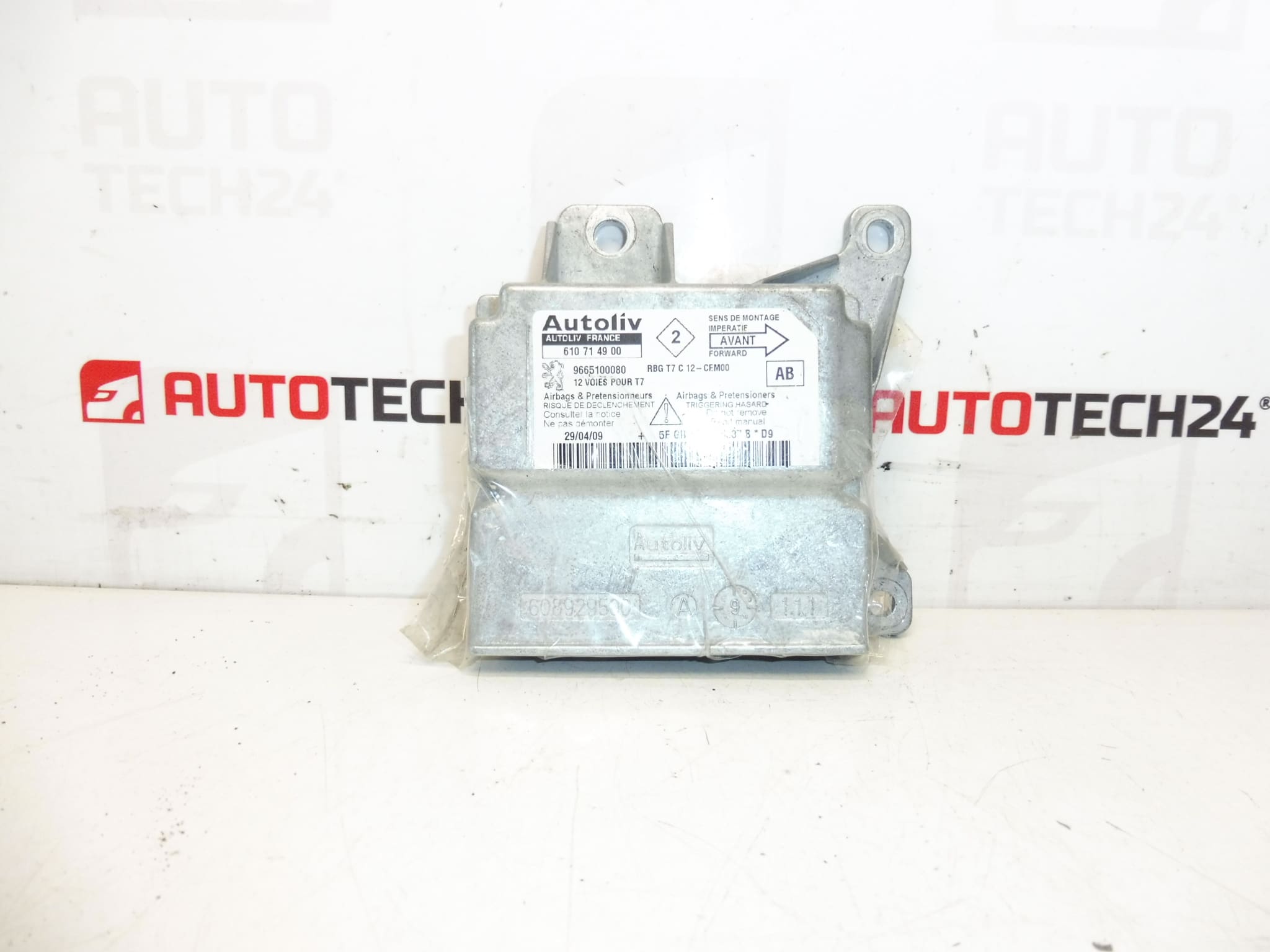
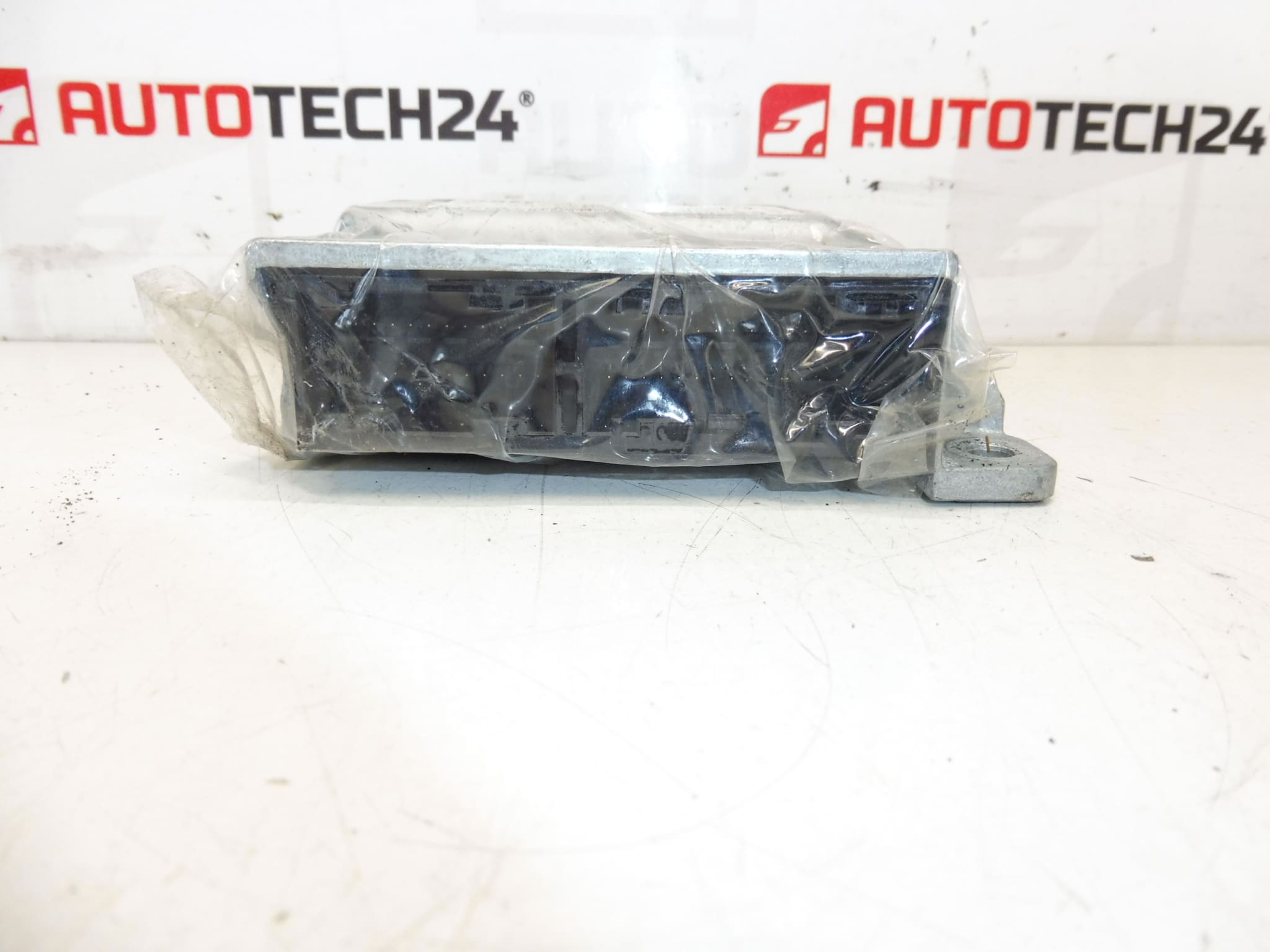
Airbag control unit for PEUGEOT 308 T7. Fully functional.
Description
This Airbag Control Unit (SRS Module) is designed for Peugeot 308 T7 vehicles and is ideal for professional workshops and experienced DIY mechanics. The unit monitors crash sensors, seat belt pretensioners and airbag deployment circuits, storing fault codes and deployment history. It is commonly searched by part numbers, so we list relevant references below to help you find the correct replacement quickly. Installing the correct SRS unit restores safety system monitoring; however, the SRS is a safety-critical component, so follow all safety procedures and verify system status with a diagnostic tool after installation.
Technical Information
- Manufacturer: Stellantis (Peugeot / Citroën)
- Model: Peugeot 308 T7
- Product Codes: 610714900, 9665100080
- Other Numbers: 6546G6, 6546G7, 6546W
How It Works And Typical Symptoms
The airbag control unit continuously monitors inputs from accelerometers, crash sensors, seat belt buckle switches and airbag circuits. If the system detects a fault, the SRS warning lamp on the dashboard will illuminate and related safety functions (airbags, pretensioners) may be inhibited. Common symptoms indicating a faulty unit include illuminated SRS warning light, logged error codes related to the SRS module, and after a collision the unit may show deployment or crash-recorded data.
How To Replace
Replacement of the SRS control unit should be performed by a qualified technician or an experienced DIYer who understands airbag safety procedures. Typical replacement steps:
- Disconnect the negative battery terminal and wait at least 10 minutes to allow system capacitors to discharge.
- Remove surrounding trim or console panels to access the SRS control unit (location depends on vehicle specification; often under the center console or under the front seats on Peugeot 308 T7 variants).
- Unbolt the unit, carefully unplug electrical connectors using appropriate release tabs—do not force or damage terminals.
- Fit the replacement unit, secure fasteners to manufacturer torque, reconnect connectors and reassemble interior trim.
- Use a compatible diagnostic tool to read and clear SRS fault codes, perform system checks and verify airbag readiness. Clearing faults and running the SRS system check is essential before returning the vehicle to service.
Installation Recommendations
- Always follow the vehicle manufacturer’s service instructions. Disconnect the battery before removal and keep the work area free of static and sources of electrical interference.
- Avoid dropping or striking the control unit. Do not open or attempt internal repairs—these units contain sensitive electronics and safety-critical data.
- After installation, verify system status with a PSA-compatible diagnostic tool (DiagBox/Lexia) or equivalent to ensure the SRS lamp is extinguished and no residual crash data prevents proper operation.
- If the vehicle was involved in a collision, confirm whether associated sensors or harnesses were damaged; replacing the SRS unit alone may not resolve faults caused by external component damage.
Most Common Causes Of Failure
- Impact/Collision: The most frequent reason for SRS unit replacement is a crash where the unit records deployment data or is physically damaged.
- Water Ingress: Moisture or flooding can corrode connectors or damage internal electronics.
- Electrical Surges And Short Circuits: Improper jump-starting, battery disconnects without following procedure, or wiring faults can damage the module.
- Connector Corrosion Or Mechanical Damage: Loose or corroded connectors and harness damage can lead to intermittent faults and SRS warnings.
Note For Professionals
This item is often looked up by part numbers listed above. Ensure physical and connector compatibility with the vehicle’s harness and mounting points before installation. After fitting, always confirm the SRS lamp status and perform a full diagnostic check to ensure the vehicle’s passive safety systems are fully operational.