Description
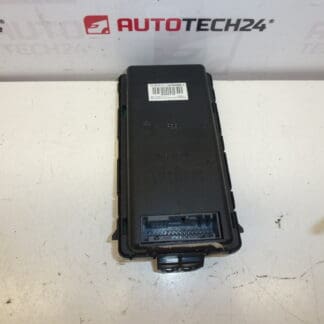
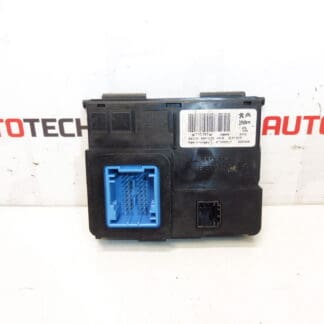
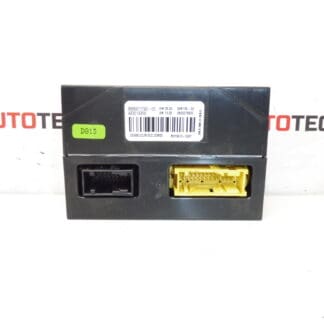
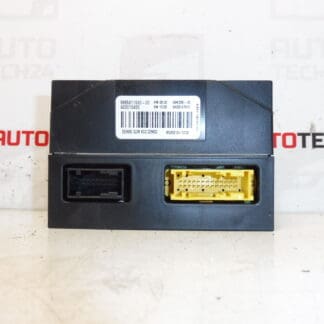
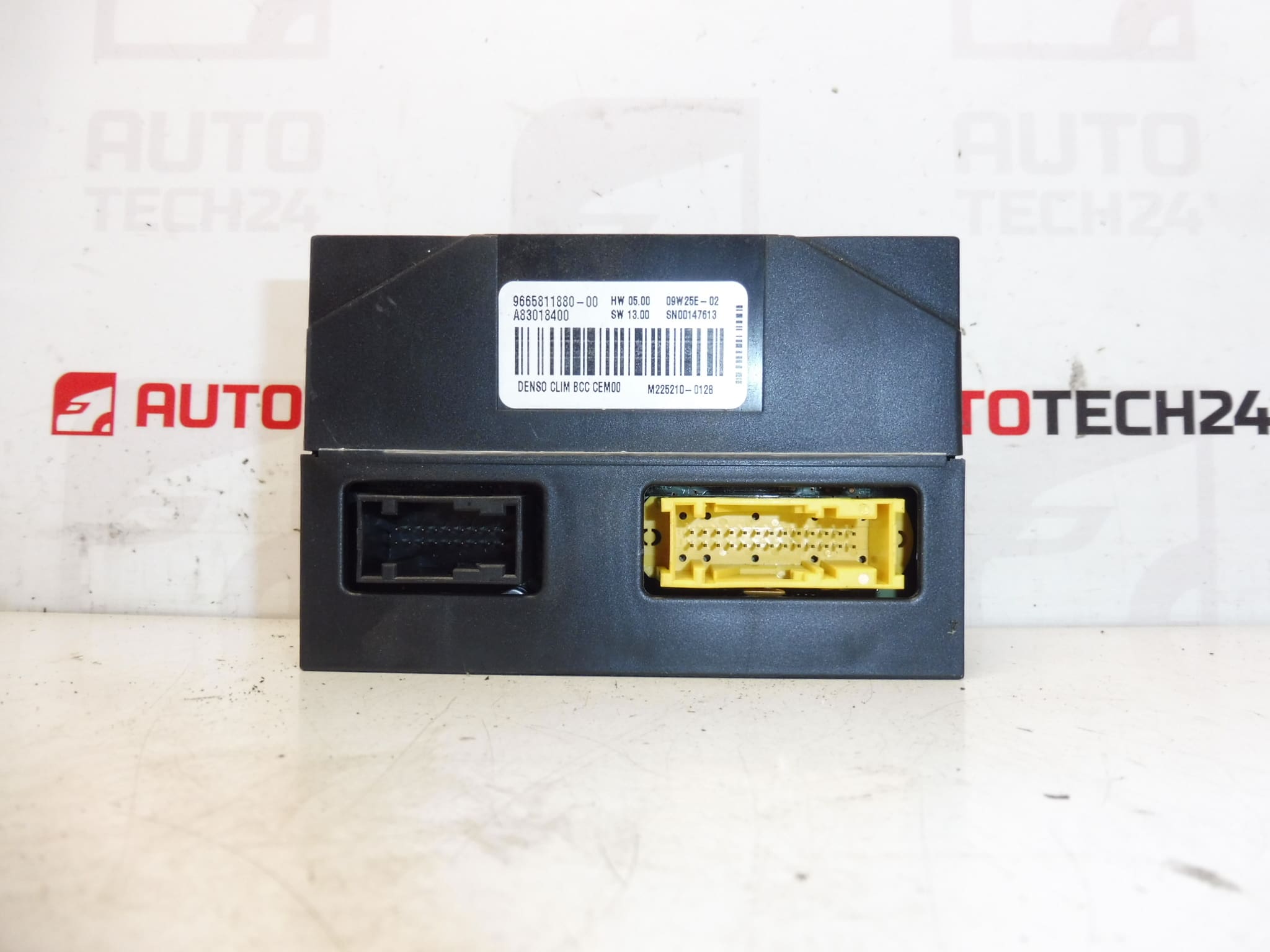
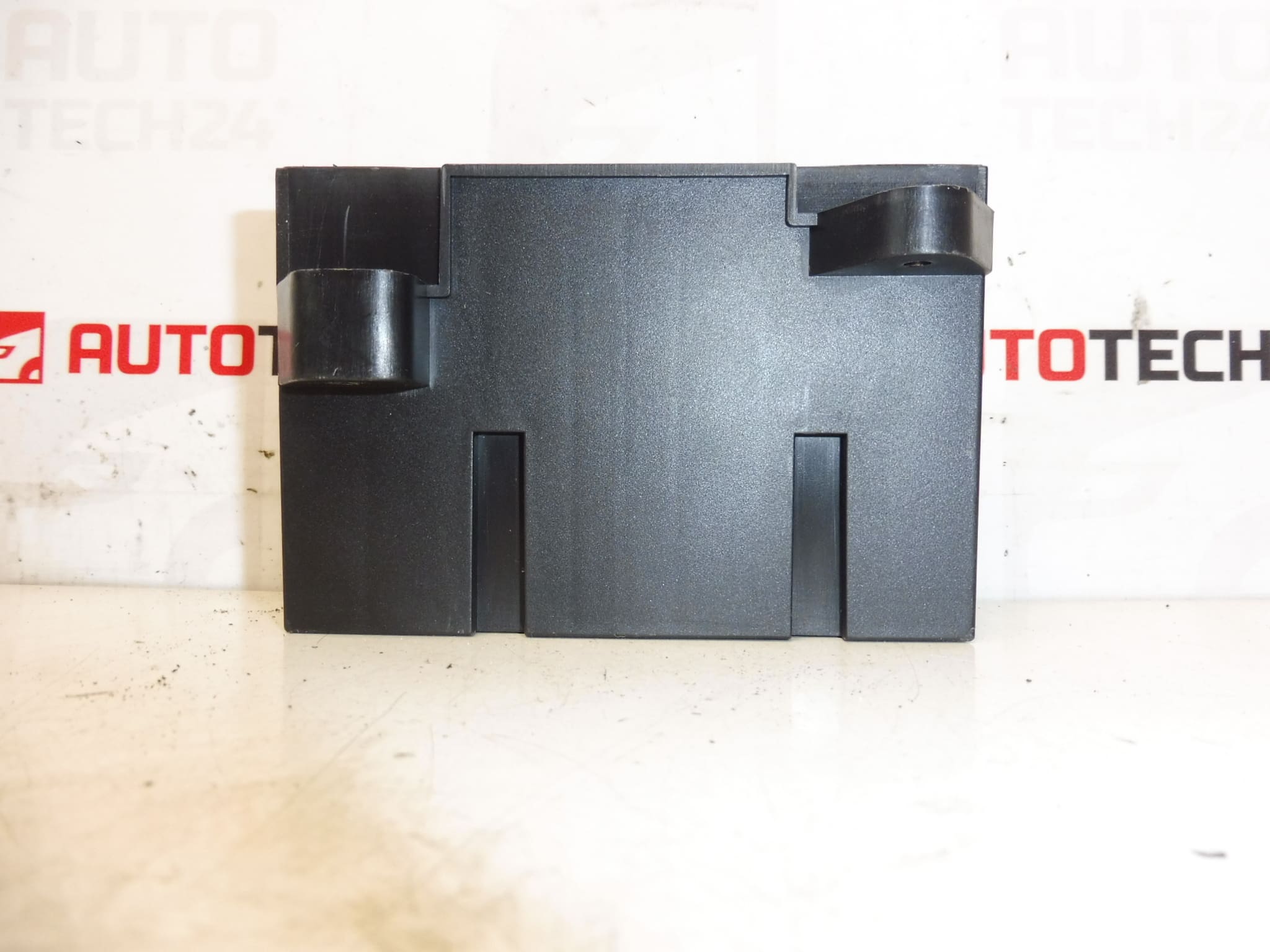
DENSO Climate Control Unit For Citroën C4 Picasso And Grand Picasso First Series
This climate control unit from DENSO is intended for first‑generation Citroën C4 Picasso and Grand Picasso models. It is identified by part numbers 9665811880, 9665811880-00 and internal references 6452P7 / 6452P8, commonly used across Stellantis Citroën/Peugeot HVAC systems. The unit controls cabin temperature regulation and related actuators, making it a key component for reliable heating, ventilation and air‑conditioning operation.
Function And Application
The Unit Manages Central HVAC Functions Including Temperature Regulation, Blower Control Signals, Air Recirculation Command, Actuator/Flap Positions And The Signal To The Air Conditioning Compressor Clutch. On Vehicles With Automatic Climate Control, The Module Processes Inputs From Temperature Sensors And User Controls To Maintain Set Temperatures. Correct Identification By Part Number Is Important To Ensure Full Compatibility With Vehicle Wiring And Sensor Inputs.
Replacement Procedure (Overview)
- Prepare: Park On A Level Surface, Engage Parking Brake And Remove Ignition Key.
- Safety: Always Disconnect The Negative Battery Terminal Before Starting Work To Prevent Short Circuits Or Damage To Electronic Modules.
- Access: Remove Trim Panels And Center Console Elements As Required To Reach The HVAC Control Unit Behind The Dash. Keep Fasteners Organized.
- Disconnect: Carefully Unplug All Electrical Connectors And Remove Any Retaining Screws Or Clips. Inspect Connectors For Corrosion Or Bent Pins.
- Install: Fit The Replacement Unit, Reconnect Connectors Firmly, Reassemble Trim, And Reconnect The Battery.
- Verification: Cycle The HVAC System Through All Modes And Check Blower Function, Temperature Changes And Flap Movement. Clear Any Stored Fault Codes If Present.
Installation Recommendations
- Always Disconnect The Battery Before Removal And Follow Manufacturer Procedures To Avoid Damage To The Unit.
- Inspect Wiring Harnesses, Connectors And Fuses For Corrosion Or Heat Damage; Repair As Needed Before Installing The New Unit.
- If The Vehicle Shows Stored HVAC Fault Codes, Read And Clear Codes With A Diagnostic Tool After Replacement To Confirm Proper Operation.
- Handle The Unit Carefully To Avoid ESD And Mechanical Shock; Mount Securely To Prevent Vibration‑Induced Failures.
- When Possible, Compare Part Numbers 9665811880 / 9665811880-00 / 6452P7 / 6452P8 With The Original Unit To Ensure Direct Fitment.
Most Common Reasons For Failure
- Water Ingress Or High Humidity Leading To Corrosion On Circuit Board Or Connectors.
- Thermal Stress And Ageing Of Electronic Components Causing Intermittent Faults Or Complete Loss Of Function.
- Damaged Connector Pins Or Wiring Harness Faults Resulting In Poor Signal Transmission.
- Mechanical Wear Of Potentiometers Or Internal Actuators Triggering Incorrect Sensor Readings.
- Electrical Surges Or Short Circuits Causing Component Damage—often Related To Faulty Wiring Or Failed Relays/Fuses.
Technical Information
- Manufacturer: DENSO
- Model: Citroën C4 Picasso, Citroën Grand Picasso (First Series)
- Product Codes: 9665811880, 9665811880-00
- Additional Numbers: 6452P7, 6452P8
Suitable For Automechanics And Experienced DIY Enthusiasts Who Are Comfortable Working With Vehicle Electronics. Correct Identification By Part Number And Careful Handling During Installation Will Ensure Reliable Climate Control Operation.