Description
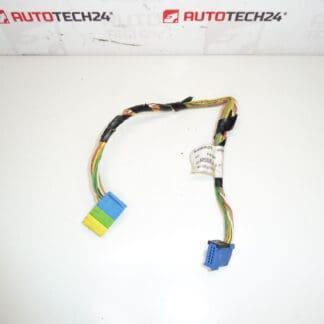
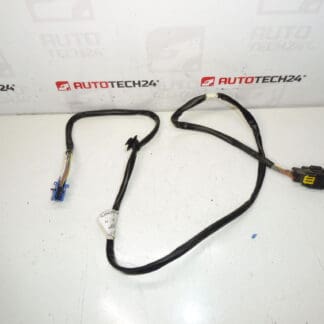
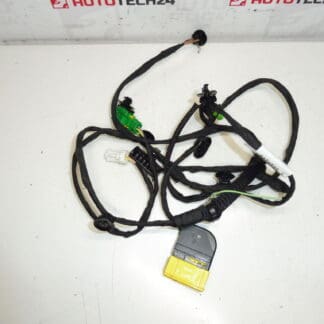
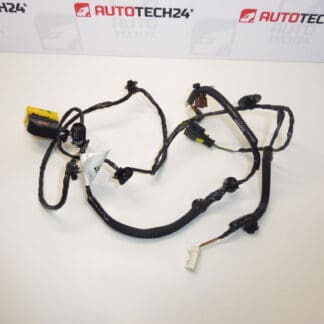
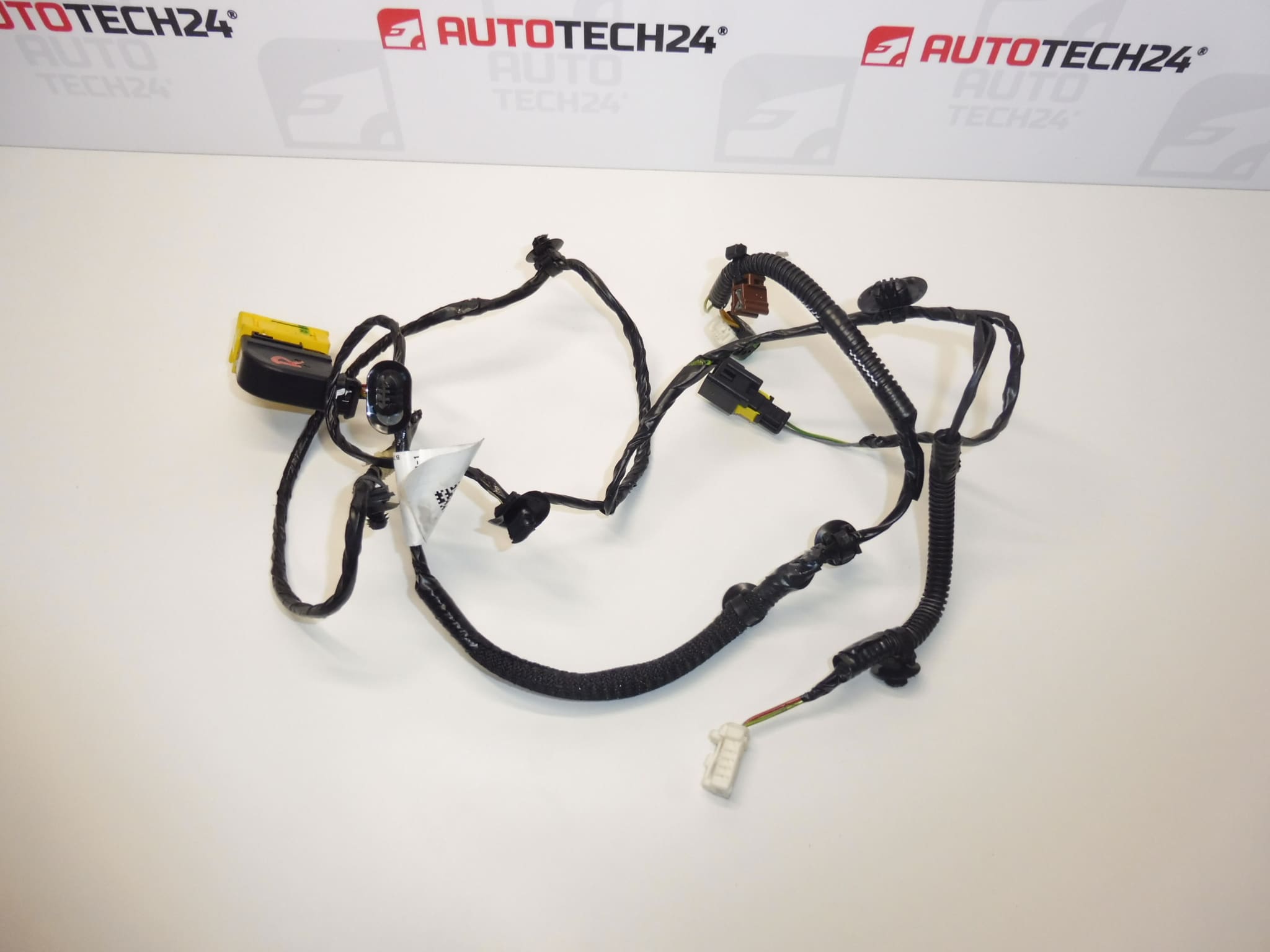
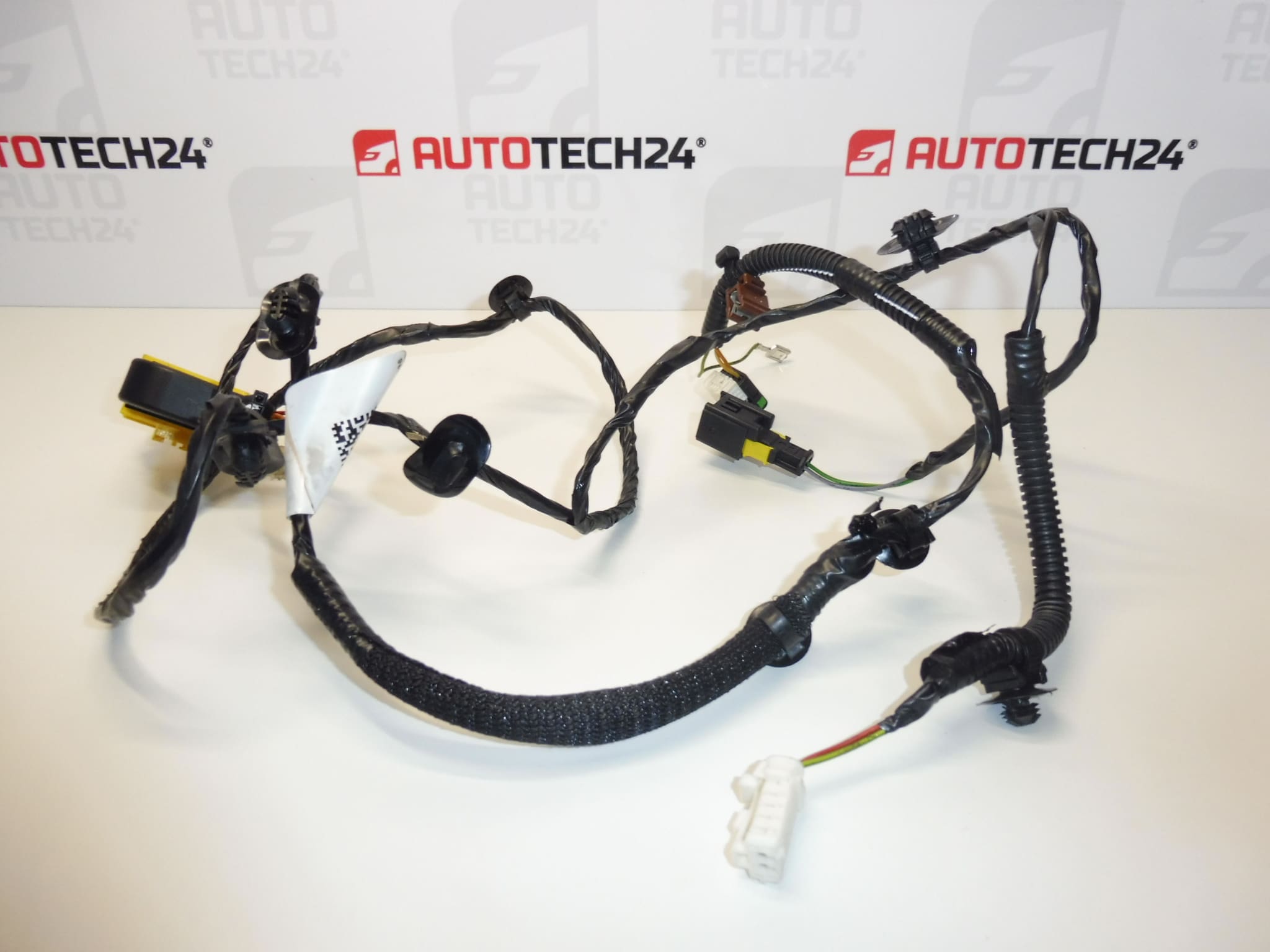
Complete front passenger seat harness for CITROEN C4 B7 cars
Part description
The used Citroën C4 B7 passenger seat wiring harness with product number 6505H4 is used for the electrical connection of the front passenger seat components with the car’s electrical installation. It is a suitable choice when replacing damaged cabling, when you want to replace the entire bundle instead of repairing individual wires.
When choosing, compare in particular the 6505H4 designation, connectors, branching and design of the original bundle. The specific connected seat equipment is not listed in the documents, so the match cannot be determined based on the model name alone.
Technical information
- Manufacturer: not specified
- Model: Citroen C4 II; marked as CITROEN C4 B7
- Part Type: Front Passenger Seat Wiring Harness
- Condition: used part
- Scope: complete volume according to the supplied description
- Other numbers: not specified
in the description
Product codes
- Product codes: 6505H4
The product number makes it easy to locate the part. Before assembly, compare it with the marking of the original wiring and also check the physical design of the harness.
Installation recommendations
The following procedure is general for seat wiring harnesses. The exact steps for removal, disconnection of the electrical system and reconnection depend on the specific model and equipment of the car. If the harness includes wiring for safety systems, follow the manufacturer’s service procedure and have the job done by a qualified mechanic.
1) Before assembly
- Compare the product number, number and shape of connectors, their mechanical keying, branch length and attachment points with the old piece.
- Check insulation, contacts, connector fuses and clips. Look for pitting, cracking, oxidation, or signs of overheating.
- Verify the cause of the original fault. A damaged connected appliance or pinched wiring can also damage the replacement harness.
2) Necessary tools and materials
Hand tools suitable for the joints used, plastic tools for loosening the linings and fasteners, a flashlight and means for marking the lines are usually sufficient. Choose any diagnostics and means for contact treatment according to the service instructions. Do not perform measurements on airbag and pretensioner circuits with a common tester or multimeter.
3) Step-by-step assembly procedure
- Secure the car securely and adjust the seat position as necessary before disconnecting the power supply.
- Turn off the ignition, disconnect the battery and follow the manufacturer’s procedure including the prescribed waiting time before working on the electrical and safety systems.
- Access the wiring. If it is necessary to remove the seat or trim, follow the car’s service documentation.
- Take photos of the original harness routing, clip locations and individual branch connections.
- Release the connector locks and disconnect the connectors by their bodies, not by pulling on the wires.
- Remove the original bundle from the clips and inspect the surrounding area for sharp edges or pinch points.
- Save the replacement volume in the original route. Maintain the necessary freedom of the wires for the movement of the seat and avoid contact with moving mechanisms.
- Plug in the corresponding connectors and secure their fuses. Do not force connect the connectors or modify their keying.
- Re-attach the harness and install the removed parts according to the manufacturer’s instructions. Before connecting the battery, check that everything is properly assembled and connected.
- Connect the battery according to the prescribed procedure and check the function of the affected electrical circuits.
-
4) Post-assembly checks and function verification
Verify the function of the connected equipment and check that there is no tension or pinching of the wiring when the seat is moved. Watch for any warning lights; in the event of a fault, use the appropriate diagnostics. Carry out the test drive only after the seat has been properly fixed and any defects in the safety systems have been resolved.
5) The most common assembly errors and prevention
- Replacement without comparing connectors: check the whole design, not just the car model.
- Damage to contacts and fuses: first unlock the connectors properly and do not pull on the cables.
- Incorrect harness routing: keep to the original route and fastening, especially near the moving parts of the seat.
- Repeated bending or stretching of wires when moving the seat.
- Pinching of the wiring in the seat mechanism or rubbing against the surrounding parts.
- Ripping out wires or breaking fuses during careless disassembly.
- Moisture and dirt causing contact oxidation.
- Overheating of connections due to poor contact or electrical failure.
- Inappropriate previous fixes and missing bundle fixing.
Reasons why the part is damaged
Seat cable harnesses are generally damaged mainly by mechanical stress and the influence of the environment. This is not a description of the identified defects of this piece.