Description
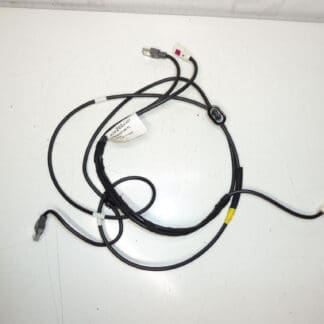
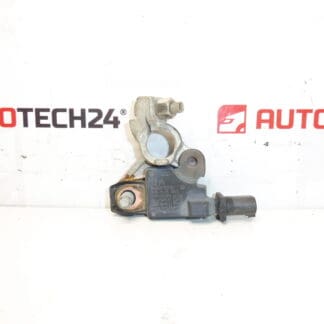
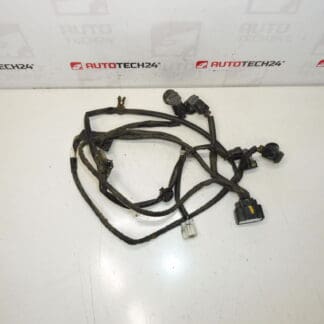
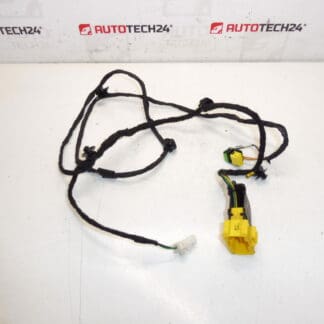
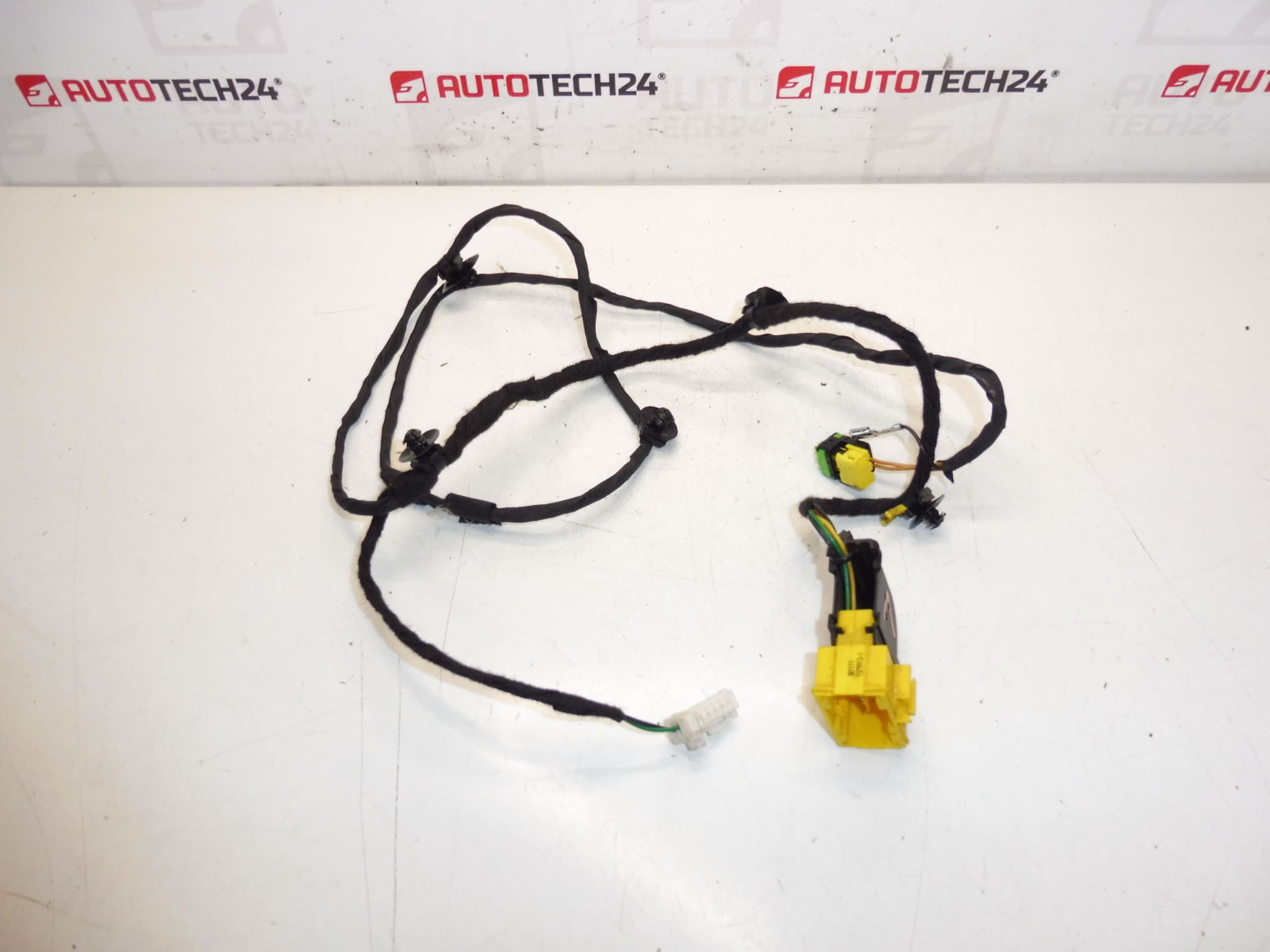
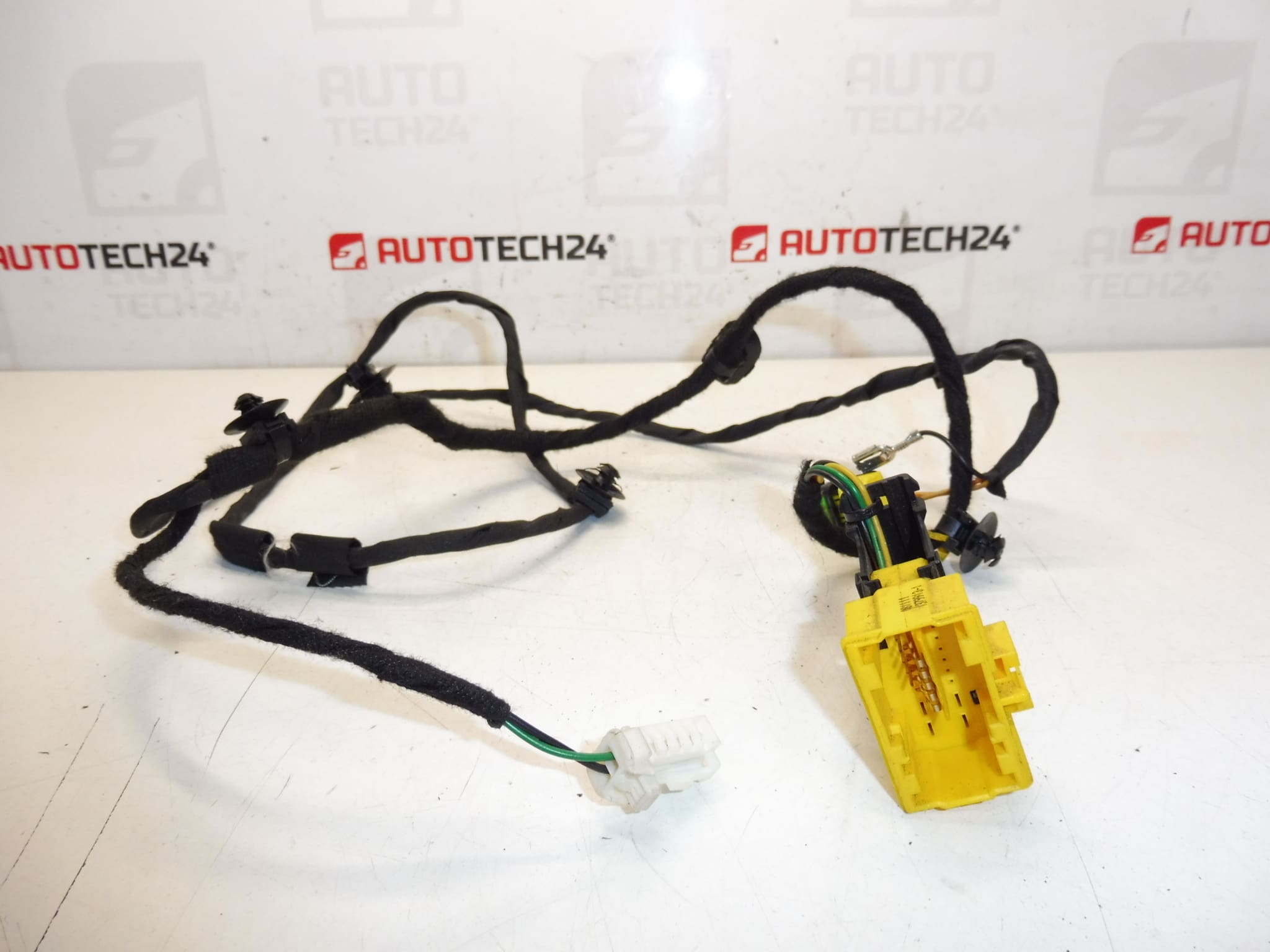
Wiring Harness For Driver Seat For Citroën C3 II A51
High-quality replacement wiring harness designed for the driver seat of Citroën C3 II (A51). This harness restores reliable electrical connections for seat adjustment motors, heater elements, occupant detection and safety sensors where fitted. Ideal for professional workshops and DIY mechanics who need a direct-fit part listed under the common reference 1608078880. Replacement of a worn or damaged seat harness eliminates intermittent faults, seat function loss and airbag/pretensioner warning lights caused by broken wires or corroded connectors.
Technical Information
- Manufacturer: Stellantis / Citroën
- Model: Citroën C3 II (A51, 2009–2016)
- Product Codes: 1608078880
- Other Numbers: None Known
What This Harness Does
The driver seat wiring harness provides the electrical pathways between the vehicle body loom and the seat-mounted components. Typical circuits carried by the harness include power supply and grounds for seat position motors, connectors for seat heating elements, the occupant presence/weight sensor, seat belt buckle sensor and, where applicable, airbag/seat belt pretensioner circuits. Proper routing and secure connector engagement are essential for safe and reliable operation.
How To Replace (Overview)
Replacement is suitable for experienced DIYers and professional technicians. Typical procedure:
- Disconnect the negative battery terminal and wait a few minutes to ensure systems are powered down.
- Move the seat to gain access to mounting bolts, remove the seat from the vehicle following manufacturer instructions.
- Disconnect all seat connectors and unclip the old harness from the seat frame and rails.
- Fit the new harness, route it along the same path, secure clips and grommets, and reconnect all plugs.
- Reinstall the seat, torque bolts to manufacturer specification and reconnect the battery.
- Verify all seat functions: adjustments, heaters (if fitted), occupant sensor and restraint system status on the dashboard.
Estimated time: 0.5–1.5 hours depending on equipment and experience.
Installation Recommendations
- Always disconnect the battery before starting work to avoid short circuits or airbag system faults.
- Follow Citroën service procedures for seat removal and reinstallation to prevent damage to connectors and trim.
- Check connector pins for corrosion or deformation before mating; apply dielectric grease to exposed terminals if appropriate.
- Ensure the harness is routed clear of sharp edges and away from moving parts of the seat rails to prevent premature chafing.
- After installation, perform a full function check including diagnostics for airbag/occupant detection circuits if equipped.
Why This Part Fails
Seat harnesses commonly fail due to mechanical wear from repeated seat adjustment and sliding, which causes wires to flex and eventually break—especially near the seat rail and belt anchor points. Other frequent causes are connector corrosion from moisture ingress, damage during seat removal or reassembly, and accidental cuts or pinches from improper routing. Replacing the harness and correcting the routing/clamping greatly reduces recurrence.
Suitable For
Direct-fit replacement for Citroën C3 II (A51) driver seat assemblies listed under the reference 1608078880. Recommended for mechanics and experienced DIYers repairing seat electrical faults, heater failures or restraint system warnings associated with the seat area.