Description
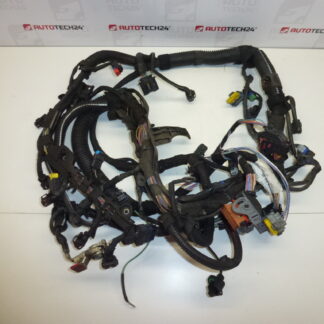
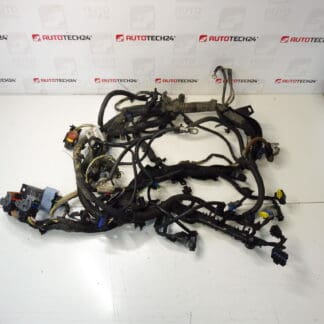
Electric engine wiring harness for Citroën and Peugeot 1.6 HDi 66 kW. It is from a Peugeot 307 2007.
This used main engine wiring harness is designed for the Citroën/Peugeot 1.6 HDi engine and carries all electrical connections for sensors, injectors and actuators required by the engine management system. Ideal for professional garages and experienced DIY mechanics looking to replace a damaged loom quickly using the original part numbers 9664694980 and 6569NW. The harness restores reliable signal and power transmission between the engine components and the engine control unit, reducing intermittent faults and improving drivability. Commonly searched and ordered by product codes, this harness is suitable for many PSA Group applications where the stated reference numbers match.
Technical Information
- Manufacturer: Stellantis / Citroën / Peugeot
- Model: Peugeot 307 (2007); Compatible With Citroën C4 Where Same Engine Harness Is Fitted
- Product Codes: 9664694980, 6569NW
- Additional Numbers: NFP
Function And Application
The wiring harness routes power and low-voltage signals between the engine control unit (ECU) and engine components such as fuel injectors, camshaft and crankshaft sensors, temperature sensors, turbocharger actuators and ignition-related elements. It ensures correct timing of injections, sensor feedback and actuator control necessary for efficient combustion and emissions control on the 1.6 HDi 66 kW engine.
Common Failure Causes
- Heat and Vibration: Long-term exposure to high under-bonnet temperatures and engine movement can degrade insulation and joints.
- Oil, Coolant Or Water Contamination: Leaks can soften insulation and corrode connector pins.
- Mechanical Wear And Chafing: Incorrect routing or damaged clips allow rubbing against metal parts leading to broken conductors.
- Connector Corrosion Or Poor Contact: Moisture ingress at connector seals causes intermittent faults or open circuits.
- Rodent Damage: Chewed cables are a frequent cause of sudden electrical faults.
Replacement Procedure (Overview)
Replacement of the engine wiring harness requires mechanical experience and basic electrical diagnostic skills. Recommended general steps:
- Disconnect Battery: Always disconnect the negative terminal before starting work.
- Document Routing: Photograph the existing harness routing and label connectors to ensure correct reconnection.
- Remove Obstructions: Remove engine covers, air intake parts and any brackets blocking access to harness clips and connectors.
- Disconnect Connectors: Carefully unplug all connectors, releasing locking tabs without forcing them.
- Unclip Harness: Remove fasteners and clips securing the harness; free the harness from the engine bay following the documented routing.
- Install New Harness: Route the replacement harness exactly as original, secure with clips and replace any damaged fasteners or seals.
- Reconnect And Test: Reconnect battery, perform basic continuity checks and run engine to verify sensor signals and absence of fault codes. Clear faults and perform a road test.
Mounting Recommendations
- Use Original Routing And Clips: Ensure the harness follows factory routing and all clips are replaced to avoid chafing and contact with hot components.
- Replace Damaged Connectors And Seals: Swap any compromised connectors and apply appropriate dielectric grease where recommended for moisture protection.
- Protect Against Heat And Fluids: Reposition or add protective corrugation near heat sources and repair any engine oil or coolant leaks before fitting a new harness.
- Verify Connector Engagement: Ensure all connector locks fully engage; loose connections often cause intermittent faults that are hard to diagnose.
- Perform Post-Installation Checks: Use a diagnostic tool to check sensor readings and clear any codes; inspect for wiring shorts or open circuits.
Why The Part Most Commonly Fails
The most frequent causes are environmental and mechanical: heat and vibration age insulation and terminals, fluid leaks and moisture cause corrosion, and mechanical chafing or rodent damage causes conductor breaks. Many failures are gradual and manifest as intermittent faults or engine management lights, so removing the root cause (leaks, loose routing, damaged clips) is essential when installing a replacement harness.
Search Tips
Customers commonly search by the OEM references 9664694980 and 6569NW or by vehicle model (Peugeot 307, Citroën C4) together with engine code 1.6 HDi. Verify that the listed product codes match the original harness reference on your vehicle before ordering.