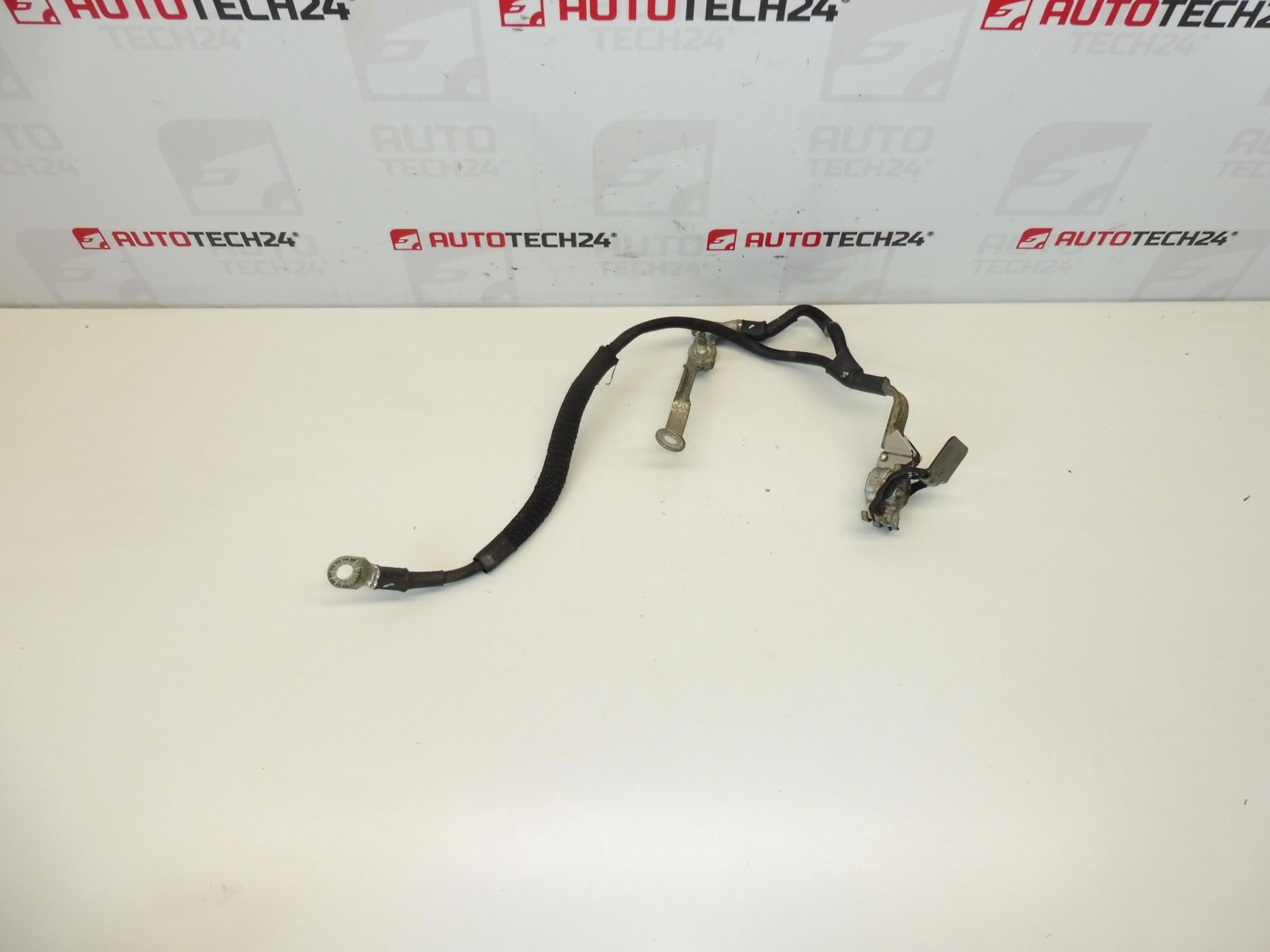
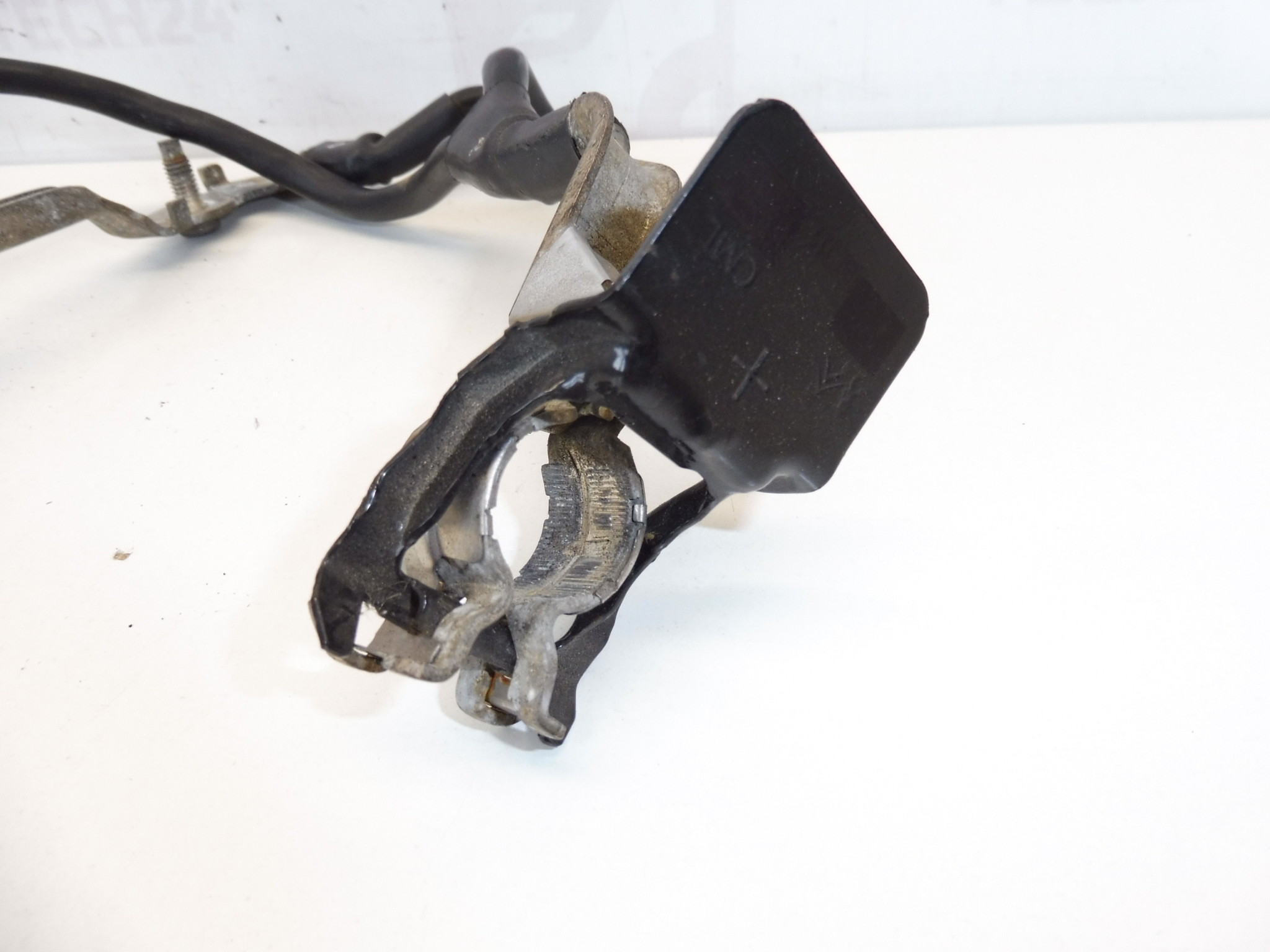
Description
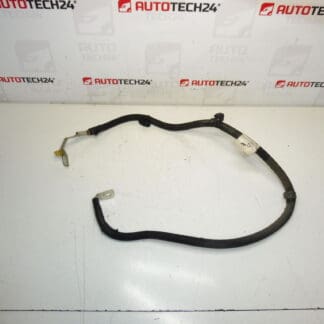
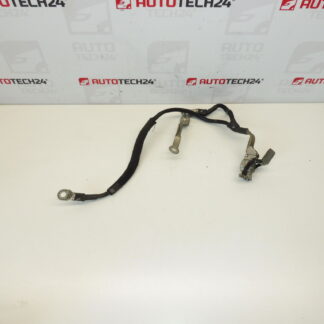
Cable for connection to the positive (+) battery terminal for 1.6 e‑HDI Citroën and Peugeot vehicles with START‑STOP system.
Product Overview
This heavy‑duty positive battery cable (OEM 9676605080) is designed for 1.6 e‑HDI Citroën and Peugeot models equipped with the START‑STOP system. It provides a reliable main power feed from the battery to the vehicle electrical system and starter/current sensing circuits where applicable. Built to withstand engine‑bay heat, vibration and frequent battery servicing, the cable is a direct replacement part commonly used by professional workshops and experienced DIY mechanics.
Key Benefits
- OEM Fitment: Matches original routing and connectors for a straightforward replacement.
- Designed For Start‑Stop Systems: Compatible with vehicles where accurate battery connection and sensing are critical.
- Reliable Electrical Contact: Ensures low resistance connection to maintain charging and cranking performance.
- Durable Construction: Resistance to heat, oil and mechanical wear typical in engine compartments.
Technical Information
- Manufacturer: Stellantis / Citroën / Peugeot
- Model: Citroën C4, Citroën C4 Picasso, Peugeot 308 (1.6 e‑HDI models with START‑STOP)
- Product Codes: 9676605080
- Additional Numbers: No additional numbers provided
Installation Recommendations
- Safety First: Turn off ignition, remove key and wear protective gloves and eyewear. Always disconnect the negative (‑) battery terminal first to avoid short circuits when working on the positive side.
- Remove Old Cable: Note routing and any retaining clips. Loosen and remove positive terminal clamp and any intermediate connectors or fuses secured along the harness.
- Fit New Cable: Route new cable following original path. Secure all clips and heat shields to prevent chafing. Reconnect positive terminal last (after negative is reconnected), and ensure all connections are clean and tight.
- Torque And Sealing: Tighten battery terminal and bolt connections to manufacturer torque specifications (refer to service manual). Use corrosion prevention (e.g., dielectric grease) on exposed terminals where recommended.
- Final Checks: Verify charging system voltage and starter operation after installation. Check that no warning lamps related to charging or START‑STOP remain illuminated.
Why This Part Fails Most Often
- Corrosion: Exposure to battery acid, moisture and road salts can corrode terminals and connectors, increasing resistance and causing poor contact.
- Mechanical Damage: Chafing against sharp edges, crushed routing or impact during repairs can damage insulation or conductors.
- Poor Crimp/Connection: Weak factory or aftermarket crimps and loose terminal bolts lead to overheating and eventual failure.
- Heat And Vibration: Prolonged exposure to engine‑bay temperatures and vibration can fatigue the cable or connector housings.
- Battery Replacement/Service Errors: Incorrect disconnection or reconnection procedures during battery service can damage terminals or create shorts.
Suitable for professional garages and competent DIYers who replace electrical wiring components. Always follow the vehicle manufacturer’s recommended procedures and torque settings when performing electrical repairs.