Description
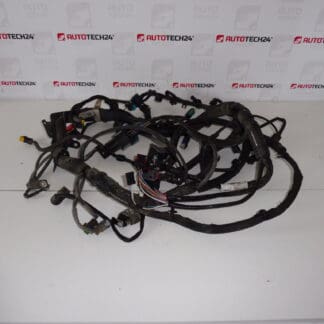
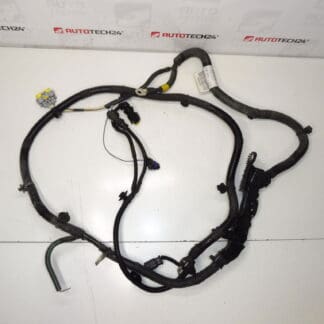
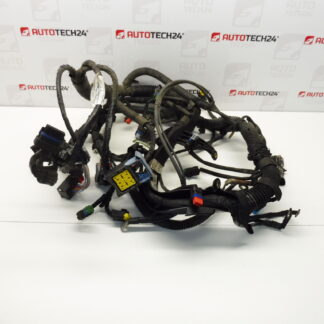
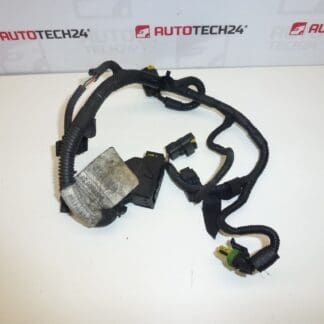
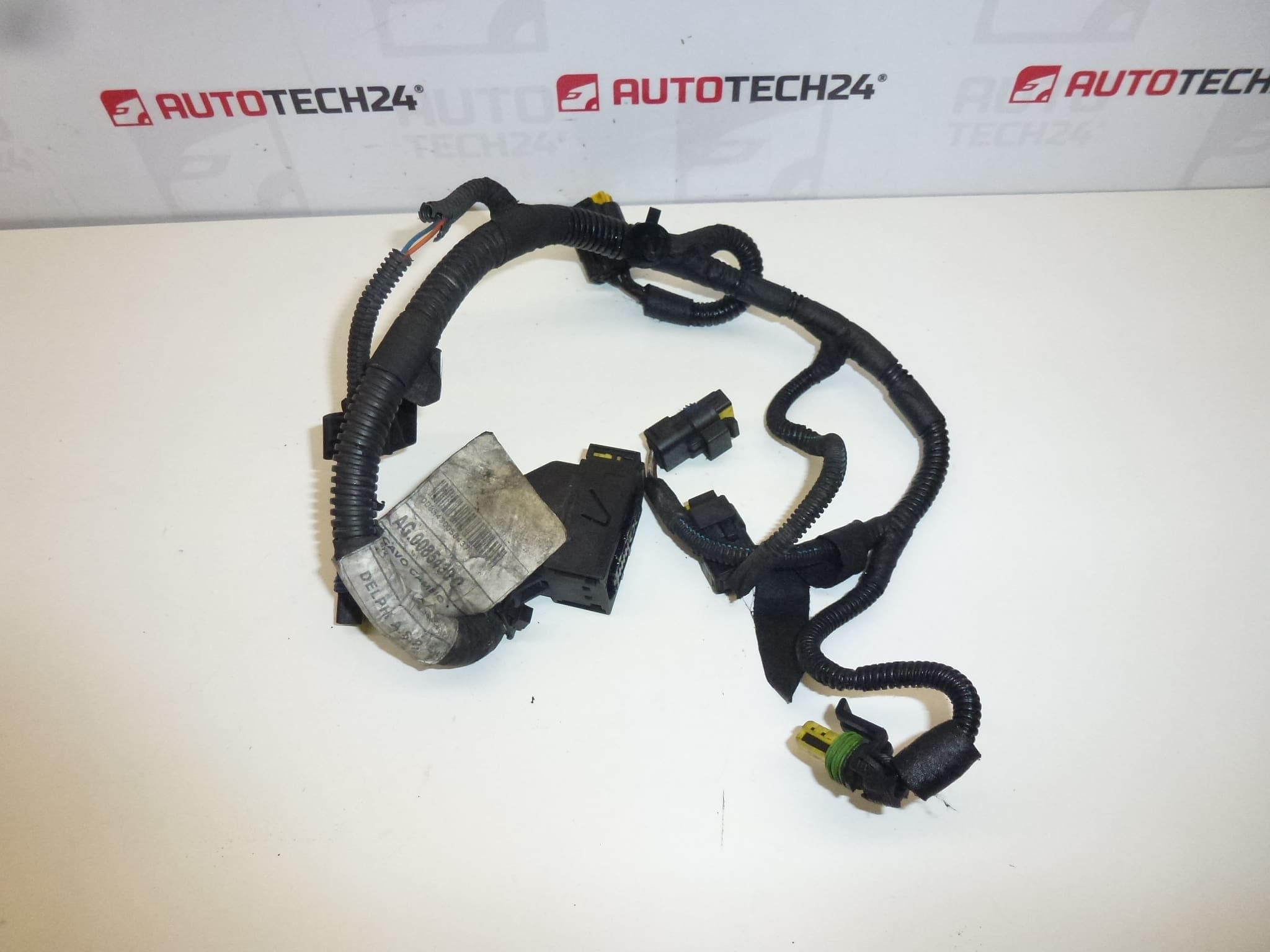
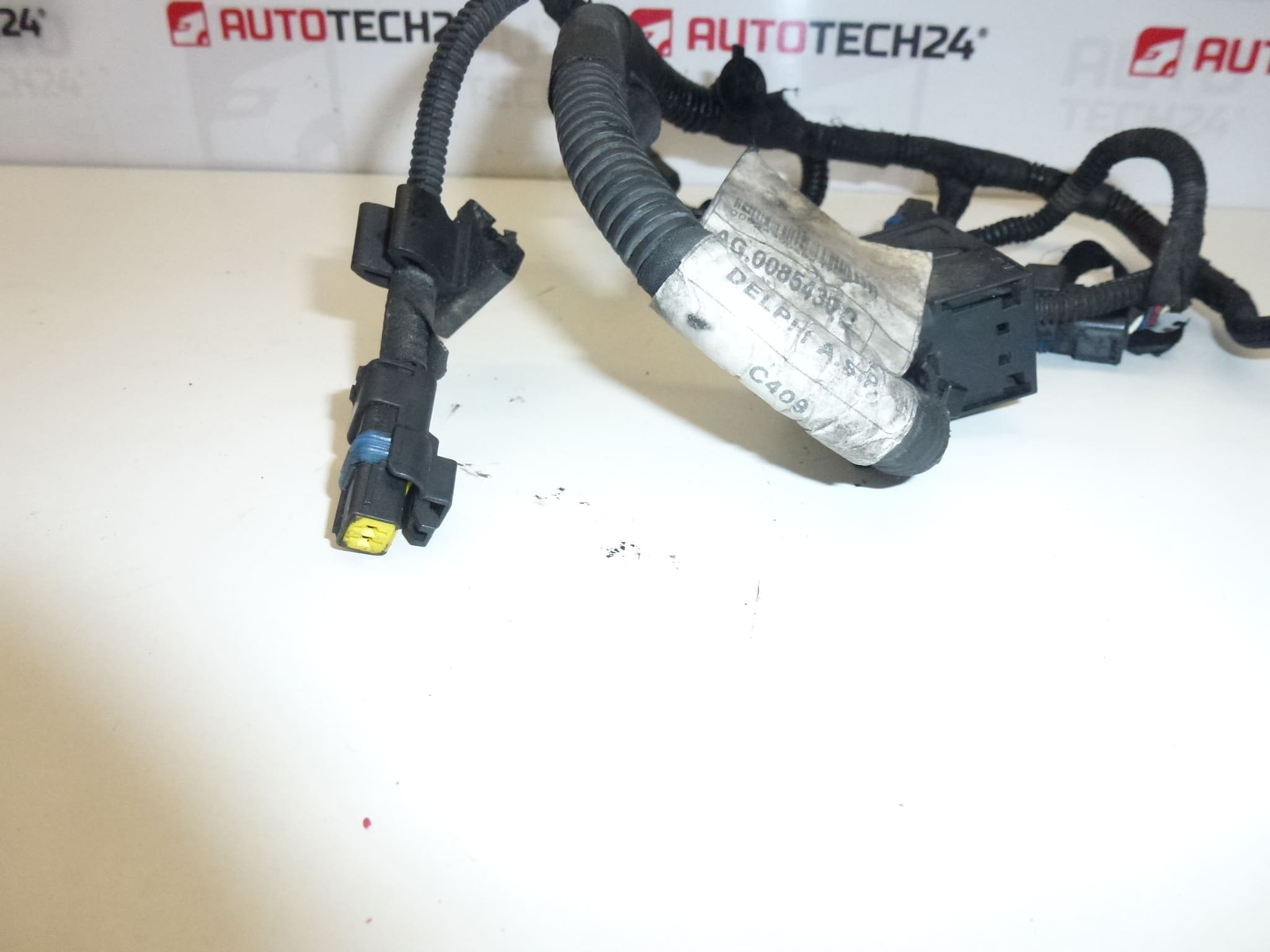
Robotic gearbox wiring harness for CITROËN C4 and C4 PICASSO and PEUGEOT 3008 and 5008
This high-quality robotic gearbox wiring harness is designed for the automated/manual mechatronic transmission systems used on Citroën and Peugeot models with 1.6 HDi drivetrains. Ideal for professional workshops and skilled DIY mechanics, the harness carries power and signal lines between the transmission control components, actuators and sensors. Commonly sought under OE codes AG0085430C, AG0085430E or 2529X2, this part restores reliable electrical connectivity to the gearbox control system and eliminates faults such as intermittent sensor signals, gearbox error lights or loss of shift control.
Function
The harness routes power, ground and data connections between the gearbox mechatronic unit, gear position sensors, clutch actuator and vehicle wiring loom. It ensures stable signal transmission despite the harsh underbody environment (heat, vibration, moisture). Proper harness condition is essential for accurate gear selection and safe operation of the robotic transmission.
Compatibility
Compatible with the following models (first generation where indicated):
- Citroën C4
- Citroën C4 Picasso
- Peugeot 3008 (I) — First Generation
- Peugeot 5008 (I) — First Generation
Typically fitted to vehicles equipped with 1.6 HDi diesel engines and the corresponding robotic gearbox/mechatronic assembly. Always verify the OEM part code (see Technical Information) against the unit to be replaced before installation.
Technical Information
- Manufacturer: Stellantis / Citroën / Peugeot
- Model: Citroën C4, Citroën C4 Picasso, Peugeot 3008 I, Peugeot 5008 I
- Product Codes: AG0085430C, AG0085430E, 2529X2
- Other Numbers: 2529X2 (alternate reference)
Recommended Installation
Follow these professional installation guidelines to ensure a durable repair:
- Disconnect the vehicle battery before starting to avoid short circuits and protect electronic modules.
- Access the gearbox area from below or by lifting the vehicle securely on a ramp/lift. Observe manufacturer service instructions for safe access.
- Carefully release any clips and retainers securing the old harness. Note routing and fixation points to replicate when fitting the new harness.
- Inspect connectors for corrosion or damage—replace corroded terminals or housing as needed. Use dielectric grease on exposed contacts where recommended.
- Secure the new harness with original clips or appropriate replacements to prevent chafing against the transmission, exhaust or suspension components.
- After installation, reconnect the battery and perform an electrical check to confirm continuity and correct sensor signals. Clear gearbox fault codes using diagnostic equipment if required.
How The Part Is Replaced (Brief Procedure)
- Lift vehicle and disconnect negative battery terminal.
- Locate gearbox harness routing and unplug connectors from the mechatronic unit and sensors.
- Remove retaining clips and free the harness from mounts; withdraw the old harness.
- Route the new harness matching the original path, fix with clips, and reconnect all plugs firmly.
- Reconnect battery, run engine and check gearbox behavior; scan for fault codes and clear if appropriate.
Common Failure Reasons
- Mechanical damage and chafing where the harness contacts chassis or moving parts.
- Water ingress and corrosion at connector pins, especially in underbody areas exposed to road spray.
- Heat exposure from nearby exhaust components causing insulation degradation.
- Rodent damage to insulation and wiring in vehicles left stationary for long periods.
- Poor previous repairs or incorrect routing that stress connectors and wires over time.
Additional Notes
Replacing a damaged harness usually resolves symptomstypical for electrical faults in robotic gearboxes: intermittent shifting, error codes related to gear position sensors, or loss of clutch actuator communication. After replacement, confirm that connectors are fully engaged and retained; loose plugs are a frequent cause of recurring problems. For diagnostics and code clearing, use appropriate PSA/DiagBox-compatible tools if available.