Description
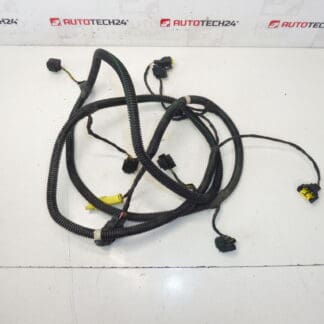
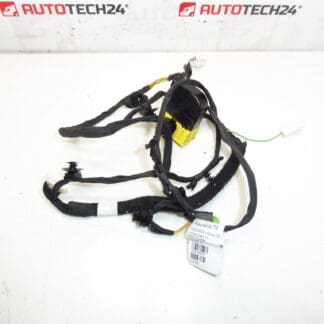
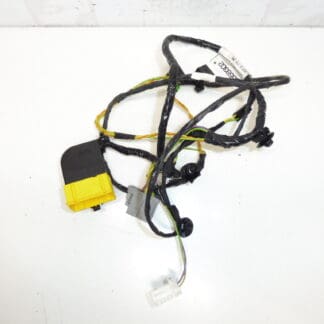
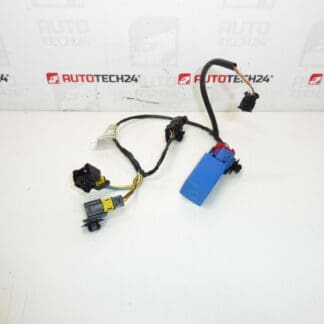
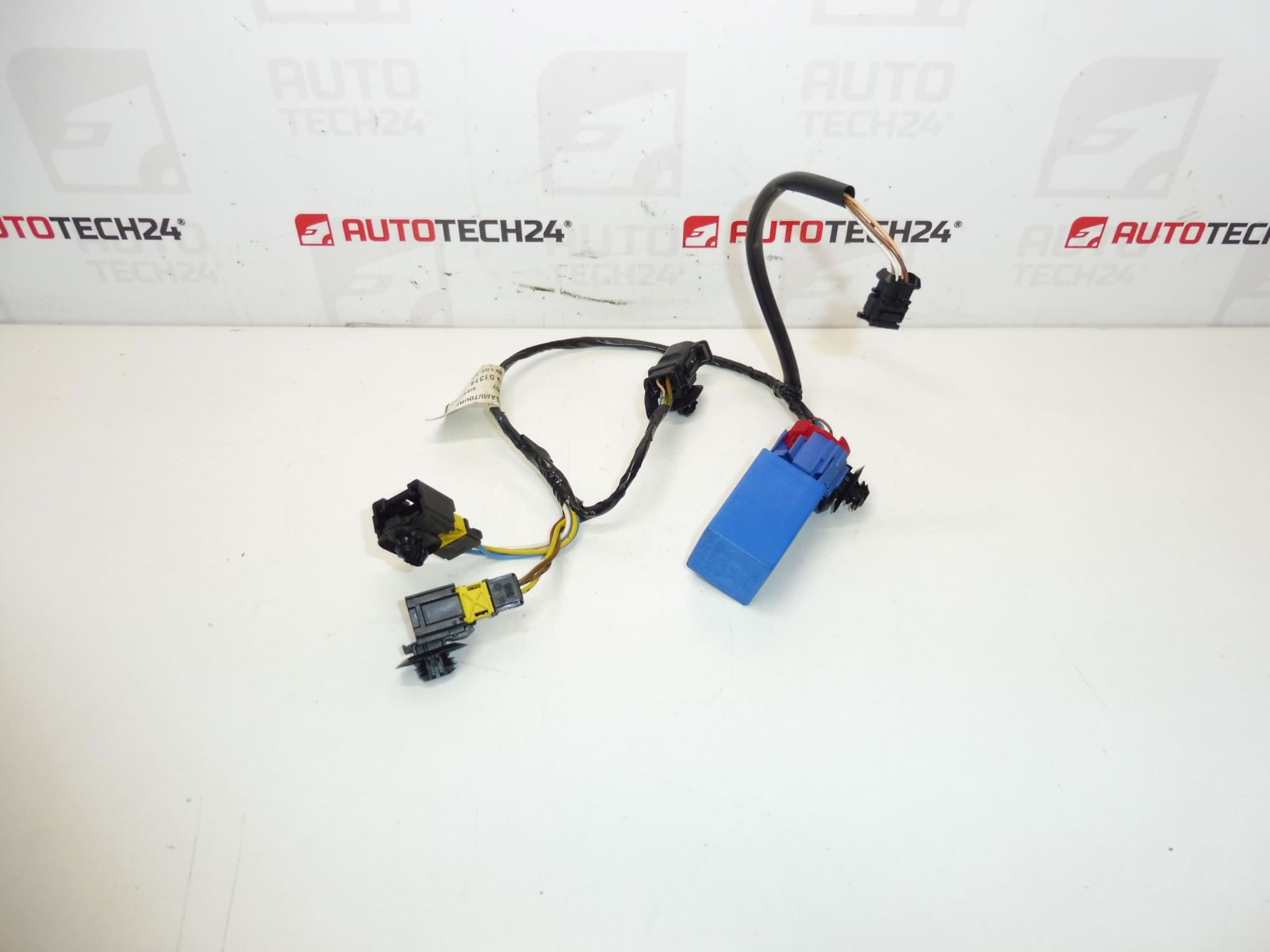
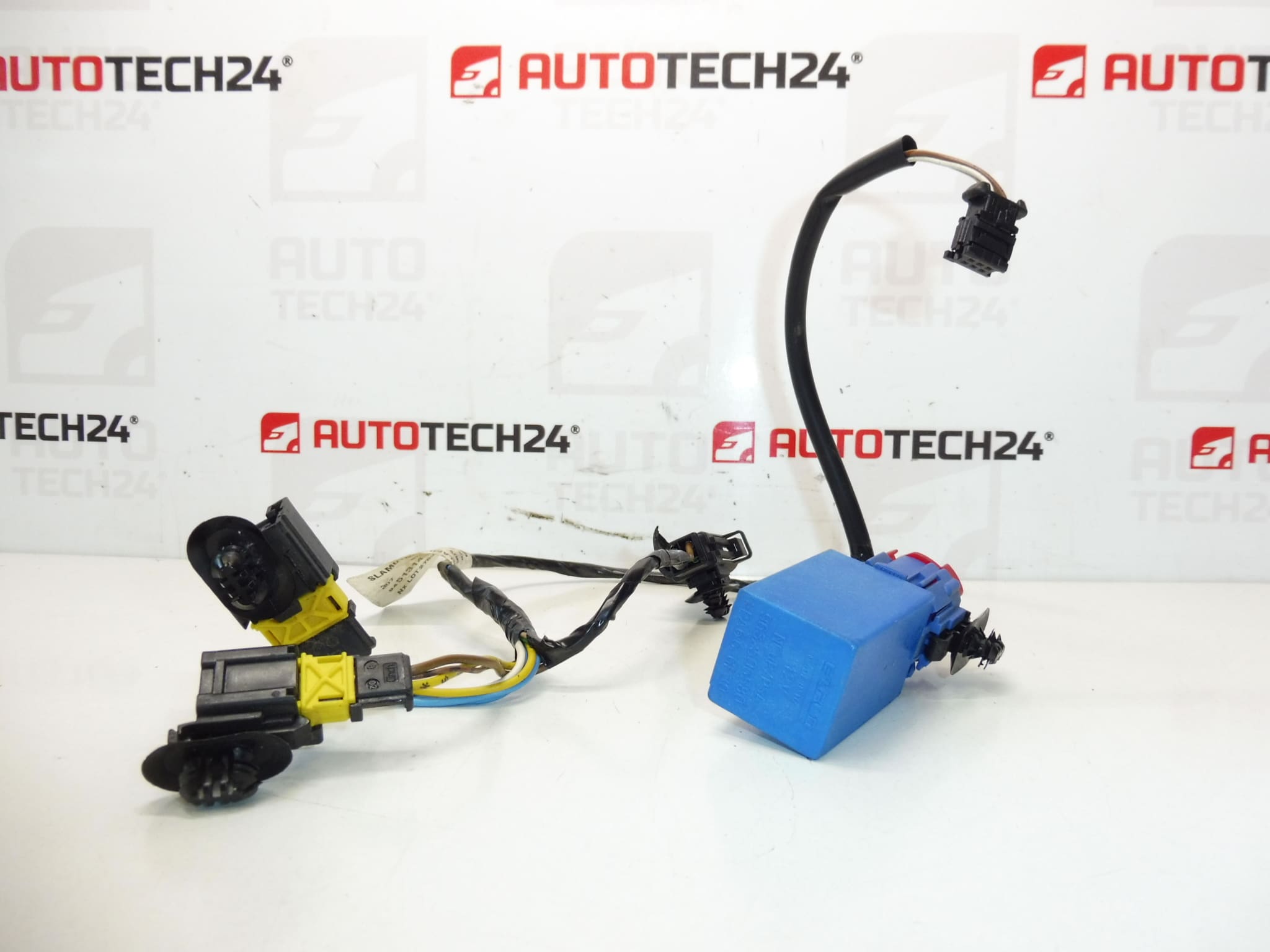
Complete front seat heating harness. It is identical for the left and right seat. For Peugeot 307 vehicles. Includes relay.
This complete wiring harness restores the heating function for the front seats of the Peugeot 307. The assembly is designed as a direct replacement for the original loom and includes the relay required for operation, making it suitable for both workshop professionals and experienced DIY mechanics. Frequently searched using part numbers 9451314 and 6533QL, this harness helps ensure stable power delivery to the seat heating elements and reliable connector integration with the vehicle’s original wiring system.
Technical Information
- Manufacturer: Peugeot (Stellantis)
- Model: Peugeot 307
- Product Codes: 9451314, 6533QL
- Other Numbers: NFP
Compatibility And Fitment
Designed specifically for the front seats of the Peugeot 307. The harness is identical for left and right seats and includes the relay needed for the heating circuit. Confirm fitment by matching the vehicle model and the part number listed on the product.
Function And Features
- Supplies power from the vehicle electrical system to the seat heating elements and switch assemblies.
- Includes relay to handle heater current and protect switch circuits.
- Factory-style connectors and routing to match original installation for plug-and-play replacement.
Installation Recommendations
- Disconnect the negative battery terminal and wait several minutes before starting work to avoid accidental airbag deployment.
- Remove seat trim and foam as required to access the old harness and connectors; take care with seat belt and airbag connectors.
- Unplug the original harness and remove any retaining clips or fasteners. Note routing and connector orientation.
- Install the new harness, secure with clips, connect relay and connectors, then test the seat heating function at low and high settings before reassembling the seat.
- If unsure about airbag or seat electrical connectors, consult a professional — improper handling can be dangerous.
Most Common Failure Causes
- Wire fatigue and breakage at points of repeated movement (seat slides and recline mechanisms).
- Connector corrosion or poor contact caused by moisture, spills or salt exposure.
- Relay wear or internal failure after long service life or repeated switching under load.
- Chafing where the harness is routed against sharp edges or inadequate clip retention causing insulation damage.
Ordering by part number (9451314, 6533QL) increases the chance of receiving the correct harness. Appropriate for technicians and competent DIYers who can follow standard seat removal and electrical safety procedures.