Description
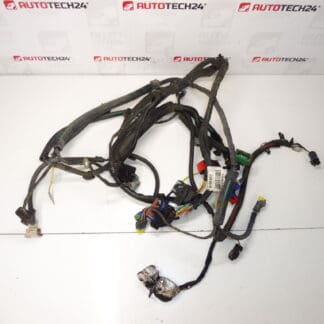
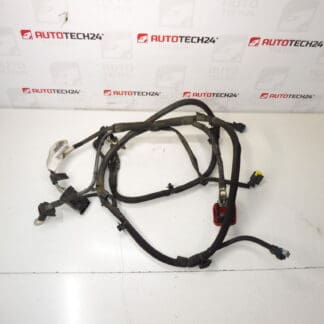
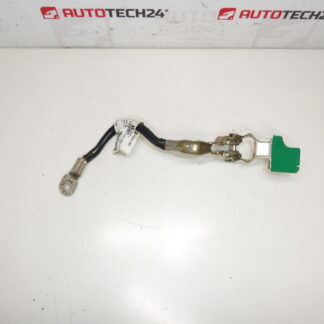
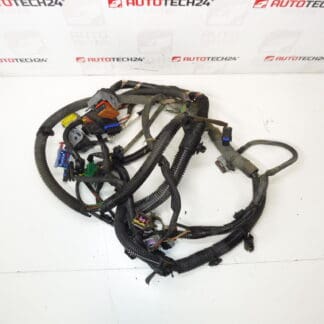
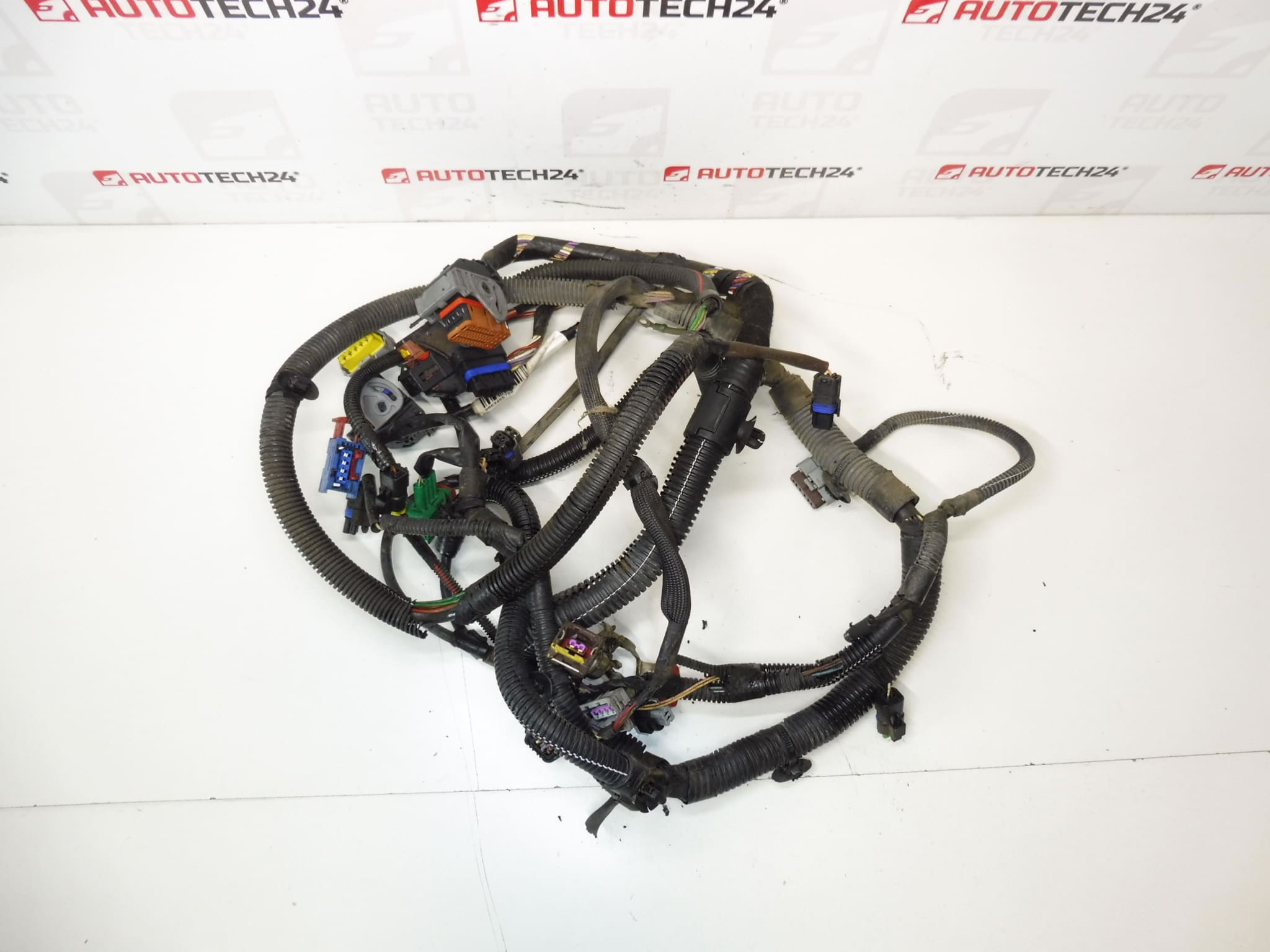
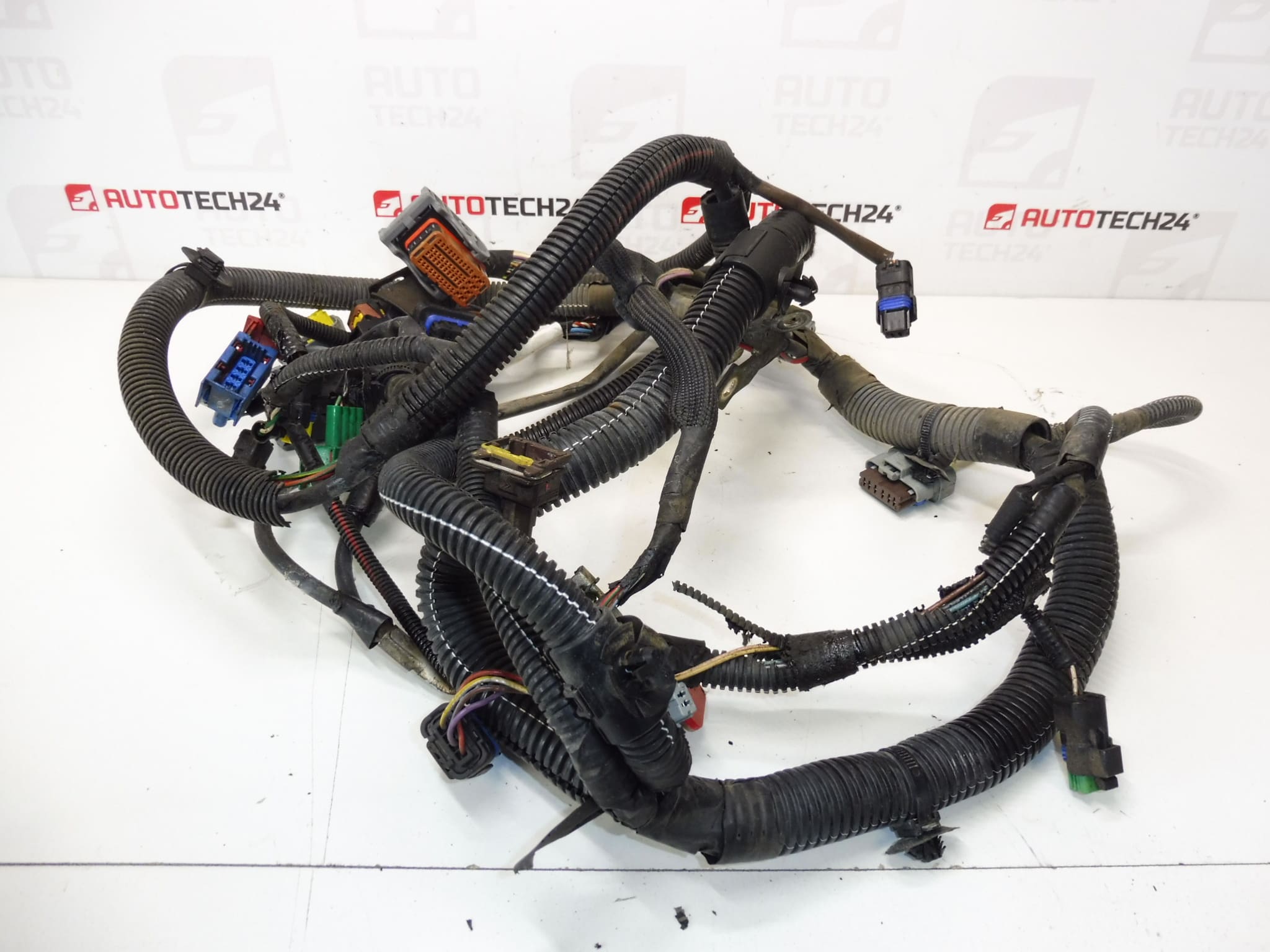
Complete engine wiring harness for Citroën and Peugeot 1.6 16V. It is from a Peugeot 307 2007.
This complete engine wiring harness is designed for PSA 1.6 16V NFU applications and provides all necessary power and signal connections between the engine sensors, actuators and the vehicle electrical system. Ideal for professional workshops and DIY mechanics who need a direct replacement harness for a Peugeot 307 or compatible Citroën models. The harness includes multiple factory connectors for injectors, ignition coils, sensors (camshaft, crankshaft, temperature, MAP), alternator and ground points, ensuring straightforward installation and dependable electrical communication with the engine control system.
Compatibility And Application
Primary application: Peugeot 307 (2007) with 1.6 16V NFU engine. Also commonly used in Citroën models that share the PSA 1.6 16V NFU wiring layout—check vehicle model years and engine code when matching the harness. Typical fitment scenarios include engine swaps, damage repair after accidents, or replacement following localized connector failure.
Function And Common Failure Modes
Function: The engine wiring harness routes power and data between the ECU and all engine peripherals—fuel injectors, ignition coils, sensors (camshaft/crankshaft/throttle/temperature), alternator, starter and diagnostic port. A correct harness ensures reliable sensor signals and power delivery for proper engine operation and emissions control.
Why It Fails: Wiring harness failures are usually caused by mechanical abrasion, heat damage (proximity to exhaust components), insulation aging and cracking, connector corrosion, water ingress, or rodent chewing. Localized connector faults (injector plugs, cam/crank sensor connectors) and broken ground points are typical fault locations that produce misfires, no-start conditions or intermittent sensor errors.
Replacement And Installation
Replacement overview for qualified mechanics and skilled DIYers:
- Disconnect the negative battery terminal before starting work to avoid short circuits and accidental airbag deployment.
- Document and label connectors and routing before removal—take photos to simplify refitment.
- Remove intake components or engine covers as required to access the harness routing and connectors.
- Unplug electrical connectors one at a time, release retaining clips and detach any brackets or ties holding the harness.
- Fit the replacement harness following original routing, secure all clips and ties, and reconnect connectors firmly until they click.
- Reconnect the battery and perform a full system check: start the engine, monitor fault codes and confirm proper operation of injectors, ignition coils and sensors.
Installation Recommendations
- Use dielectric grease on exposed connectors to reduce corrosion risk and improve long-term reliability.
- Replace any damaged clips, grommets or cable ties to prevent chafing; ensure the harness is routed away from hot components and sharp edges.
- Inspect and clean ground points before reconnection; poor grounds are a common source of electrical faults.
- After installation, clear DTCs and run the engine to confirm no new fault codes appear; use a diagnostic tool to verify sensor readings where possible.
Technical Information
- Manufacturer: Stellantis (Citroën/Peugeot)
- Model: 1.6 16V NFU — Peugeot 307 (2007); compatible Citroën models sharing the NFU engine harness layout
- Product Codes: 9663465780, 6569FF, 9684859480, 9663465880, 9684859380
- Other Numbers: NFP
Reason For Most Common Failures
Engine harnesses commonly fail where movement, heat and contamination coincide: connector pins corrode, insulation becomes brittle near heat sources, or wiring abrades against brackets. Rodent damage is also a frequent cause in stored or parked vehicles. Preventive measures—proper routing, secure fastening and protection from heat—significantly extend service life.
Notes For Professionals
When replacing an engine wiring harness, ensure connector pin counts and locking mechanisms match the original. For complex electrical faults, use a professional diagnostic tool to trace signals and verify continuity before and after installation.