Description
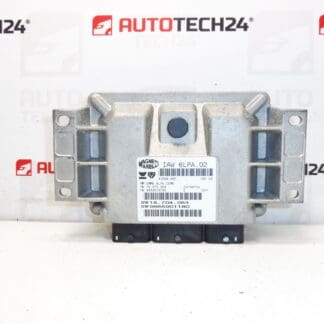
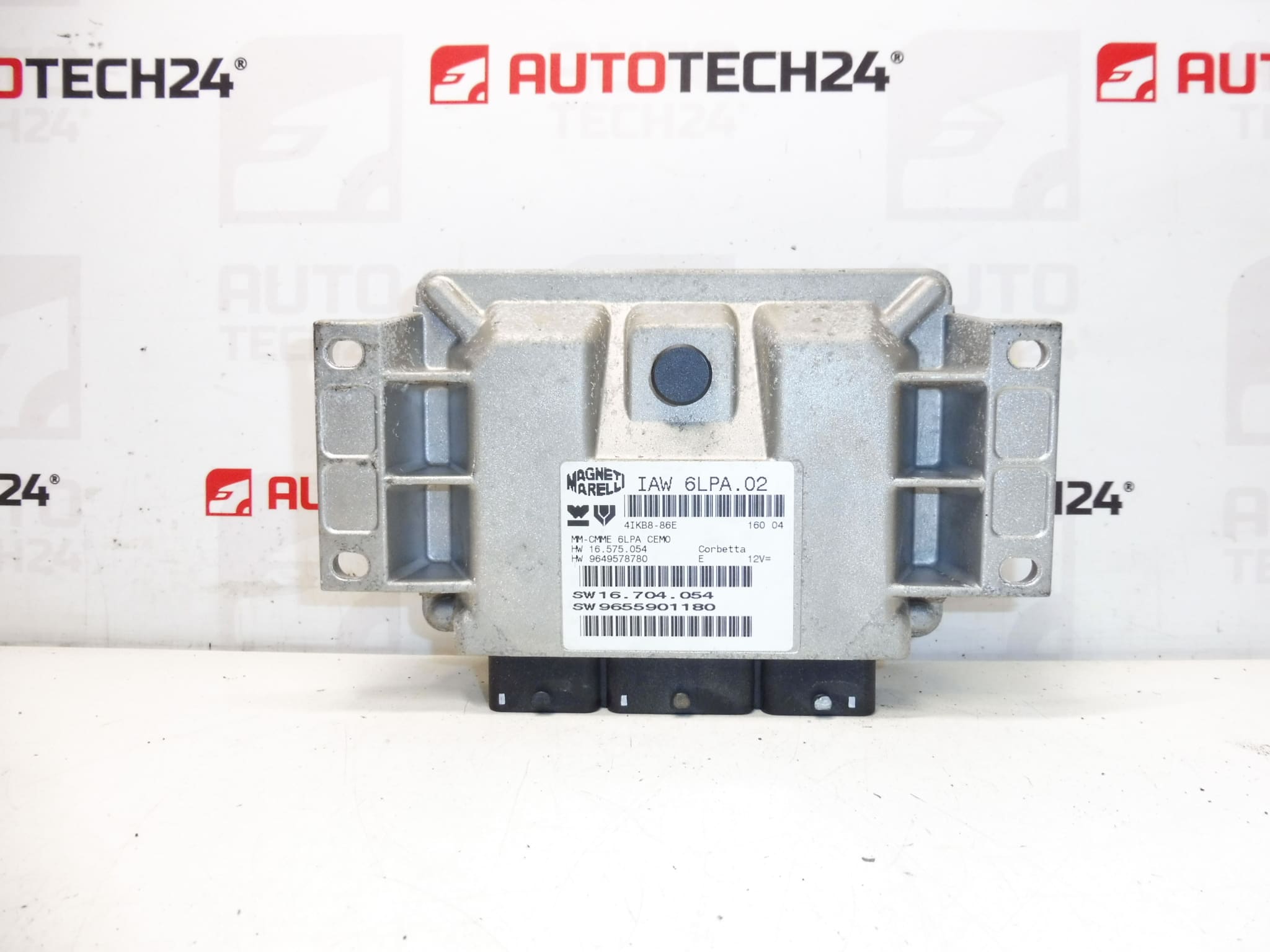
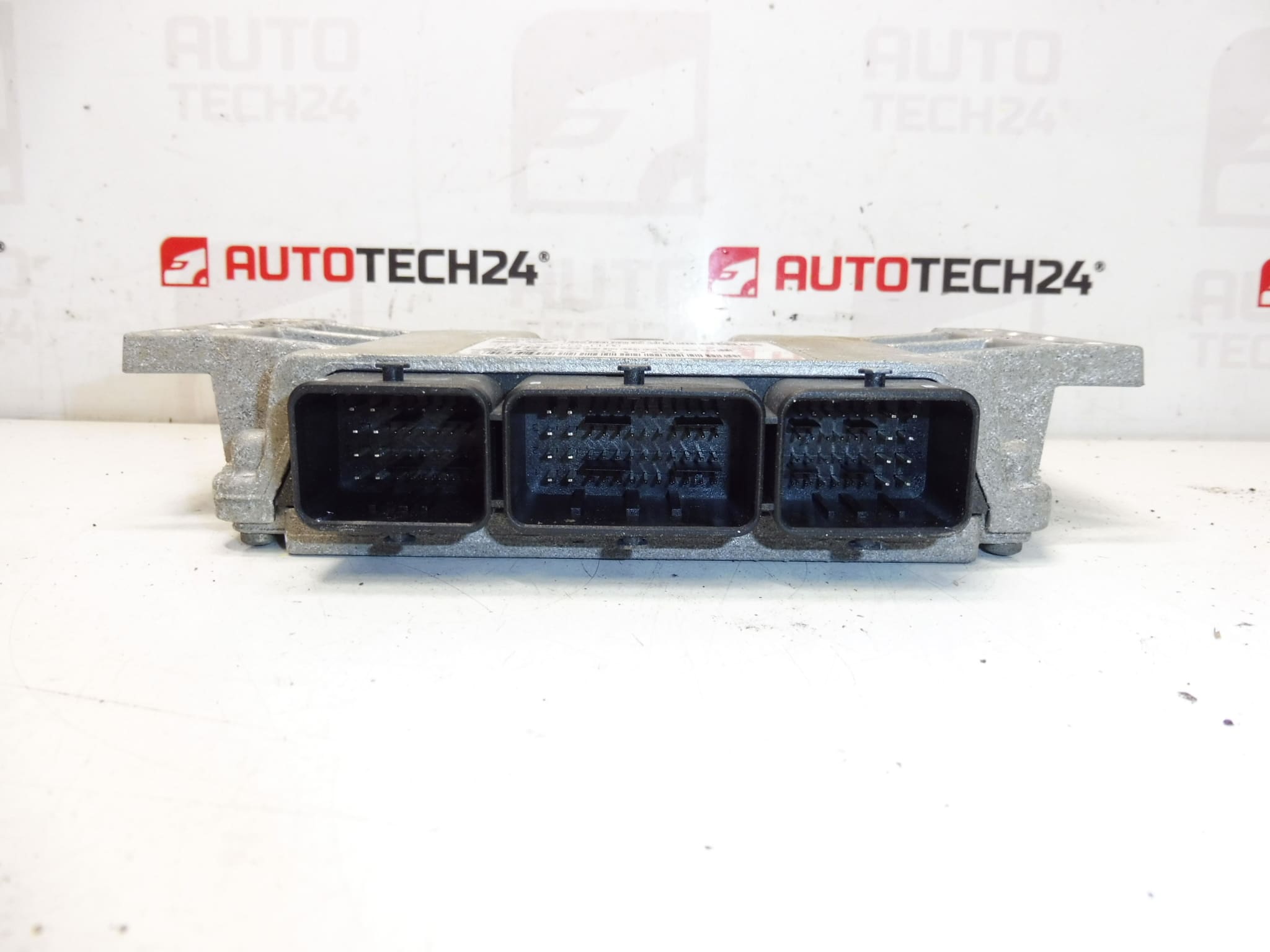
MAGNETI MARELLI IAW IAW 6LPA.02 Engine Control Unit for 2.0i 16V 130 kW RFK Engine. It is from Peugeot 307 CC 2004.
This Magneti Marelli IAW 6LPA.02 engine control unit (ECU) is designed for the 2.0i 16V 130 kW RFK petrol engine fitted to Peugeot 307 CC (2004). The unit manages fuel injection, ignition timing and sensor inputs to ensure reliable engine running, emissions control and drivability. Ideal for professional workshops and experienced DIY mechanics who search by product number (9655901180, 9649578780, 1942C8, 1942C9), this ECU is a direct reference for repair and replacement jobs on compatible Stellantis petrol engines.
Technical Information
- Manufacturer: Magneti Marelli
- Model: IAW 6LPA.02
- Product Codes: 9655901180; 9649578780; 6LPA.02
- Other Numbers: 1942C8; 1942C9; NFP
Functionally, this ECU controls injection sequencing, ignition timing, idle speed regulation, sensor diagnostics and emission-related actuators. It communicates with diagnostic equipment via the vehicle OBD port for fault reading and clearing. Correct operation of the ECU is essential for fuel efficiency, smooth idling, acceleration response and compliance with emission limits.
Recommended Installation
- Disconnect Negative Battery Terminal Before Work: Isolate vehicle power to avoid short circuits and data corruption.
- Handle With ESD Precautions: Avoid static damage by grounding yourself; do not touch connector pins directly.
- Careful Connector Removal: Release locking tabs first and pull straight to avoid bending pins or damaging housings.
- Mount Securely And Reconnect: Fit ECU in original position, ensure seals and grommets are intact to prevent moisture ingress.
- Programming And Immobilizer: After mechanical fitting, ECU replacement often requires coding or immobilizer synchronization and clearing of stored fault codes using a compatible diagnostic tool.
- Post-Installation Check: Reconnect battery, perform a full system scan, verify sensor readings and complete a test drive to confirm correct operation.
How Replacement Is Performed
General replacement follows these steps: isolate battery, remove trim or cover to access ECU, disconnect all connectors and mounting fasteners, install the replacement unit, reconnect harnesses and secure the ECU, then carry out diagnostic programming or coding as required. The exact access location (engine bay or passenger compartment) and fixing points depend on vehicle configuration—refer to the factory workshop manual for step-by-step guidance.
Reason For Failure
- Water Ingress And Corrosion: Moisture penetrating connectors or housings is a common cause of malfunction.
- Electrical Disturbances: Voltage spikes, poor battery condition or alternator faults can damage internal electronics.
- Connector Damage And Wiring Faults: Loose or corroded pins and cables lead to intermittent faults and ECU errors.
- Thermal Stress And Ageing: Repeated heating and cooling cycles or solder joint fatigue can cause failures over time.
- Physical Impact Or Vibration: Mechanical damage from accidents or excessive vibration can impair internal components.
Typical Lifespan And Notes: An ECU is designed for long service life, often exceeding ten years in normal conditions; however, exposure to moisture, poor vehicle electrical condition or aftermarket electrical modifications can shorten its life. When searching or ordering, use the product codes listed above to improve the chance of correct match.
Suitable For: Peugeot 307 CC 2.0i 16V 130 kW RFK (2004) and other compatible Stellantis applications using the IAW 6LPA.02 hardware with matching product numbers.