Description
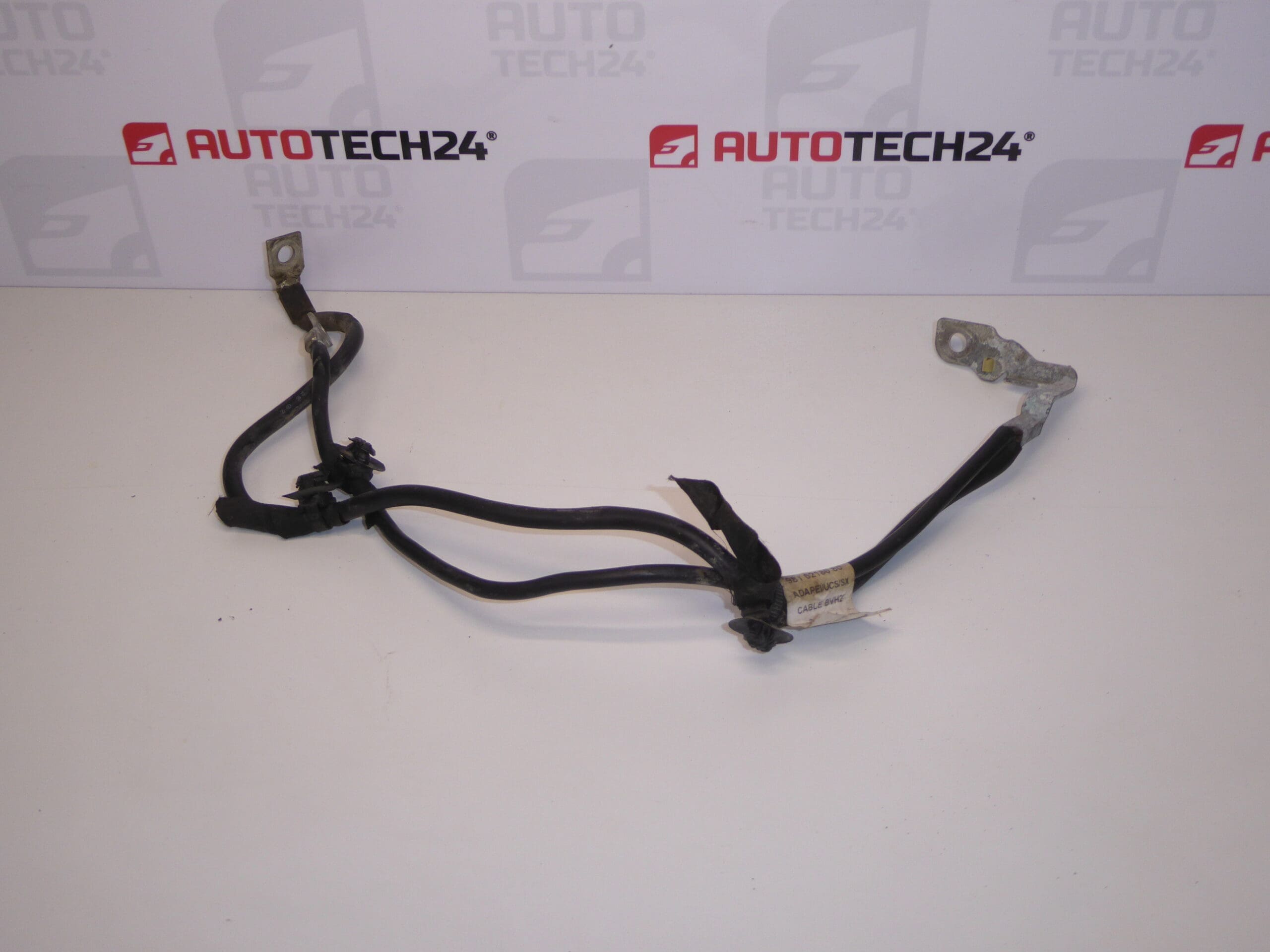
Negative battery cable for CITROËN, PEUGEOT and other Stellantis models.
Product Overview
High-quality replacement negative battery cable (battery earth lead) designed for modern CITROËN and PEUGEOT vehicles and a range of other Stellantis-derived models. Supplied to meet the electrical grounding requirements of engine starting systems, charging circuits and vehicle electronics. Frequently referenced by the OEM part number 9816218080, this cable is intended for professional workshops and experienced DIY mechanics who need a reliable, direct-fit grounding solution.
Key Benefits
- Direct OEM fit for easy installation and correct routing.
- Ensures solid chassis and engine grounding to avoid voltage drop and intermittent electrical faults.
- Durable construction with reinforced eyelet and insulation suitable for the engine bay environment.
- Commonly searched by part number 9816218080 for quick identification.
Technical Information
- Manufacturer: Stellantis
- Model: Citroën Berlingo K9; Fiat Doblo III; Opel Combo E K9; Peugeot Rifter; Toyota ProAce City
- Product Codes: 9816218080
- Other Numbers: 9816218080
Compatibility
Typical applications include a range of Citroën and Peugeot models and several badge-engineered variants from Fiat, Opel and Toyota. Always check the part number 9816218080 against the vehicle’s parts list to confirm fitment.
Function
The negative battery cable provides the primary electrical return path from the vehicle electrical system to the battery negative terminal and chassis ground. It is critical for starter motor performance, charging system function and stable operation of engine control units and comfort electronics.
Common Failure Modes
- Corrosion at the battery terminal or eyelet, causing increased resistance and intermittent starting or charging issues.
- Mechanical fatigue or broken conductor strands from vibration or repeated bending.
- Damage from heat exposure or contact with sharp edges resulting in insulation degradation or short circuits.
- Loose or poorly tightened connections leading to voltage drops and electrical faults.
Replacement Procedure
- Park vehicle on a stable surface, switch ignition off and remove key.
- Wear eye protection and gloves. Disconnect the battery following safe procedures: remove the negative connection first, then positive if required for access.
- Loosen and remove the fasteners securing the old negative cable at the battery terminal and at the chassis/engine ground point(s).
- Compare the new cable to the old one for correct length, eyelet type and routing. Replace any corroded clamps or fasteners.
- Install the new cable, secure all ground points and ensure correct routing away from moving parts, hot surfaces and sharp edges.
- Reconnect battery terminals, positive first if it was disconnected, then negative. Confirm tight, secure connections and no stray wires.
- Start engine and verify charging system and starter operation. Inspect for any warning lights or unusual behaviour.
Recommended Installation Tips
- Clean mating surfaces (battery post and chassis ground) to bright metal before refitting to ensure low resistance contact.
- Use appropriate quality fasteners and, where applicable, apply an anti-corrosion compound to exposed connections.
- Avoid overtightening terminals; ensure a firm, vibration-resistant fit. If in doubt, replace associated clamps or terminal hardware.
- After installation, check continuity and voltage drop across the ground path with a multimeter to confirm proper electrical performance.
Why The Part Fails Most Often
Ground cables are routinely exposed to corrosive environments (road salt, moisture) and mechanical stress. Corrosion at the crimped eyelet or the battery terminal is the most common cause of failure, followed by strand breakage from vibration or abrasion. Heat from nearby engine components can also accelerate insulation breakdown.
Part Number And Identification
This cable is commonly identified by the OEM part number 9816218080. Search by this code for fast identification when ordering or matching replacement parts.
Who Should Fit This Part
Recommended for professional mechanics and experienced DIYers. If you are unsure about safe battery handling or electrical testing, seek assistance from a qualified workshop.