Description
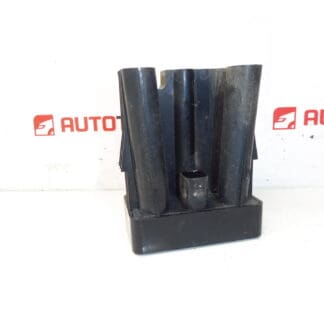
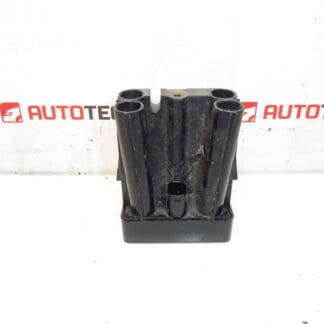
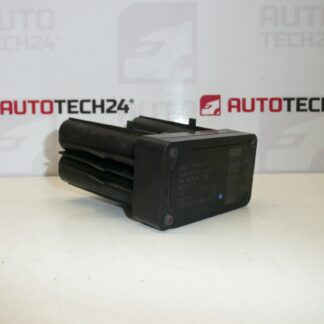
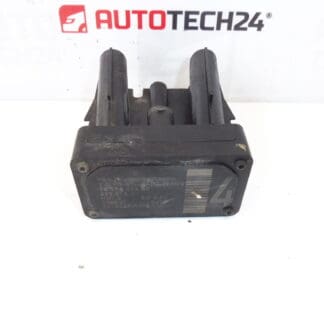
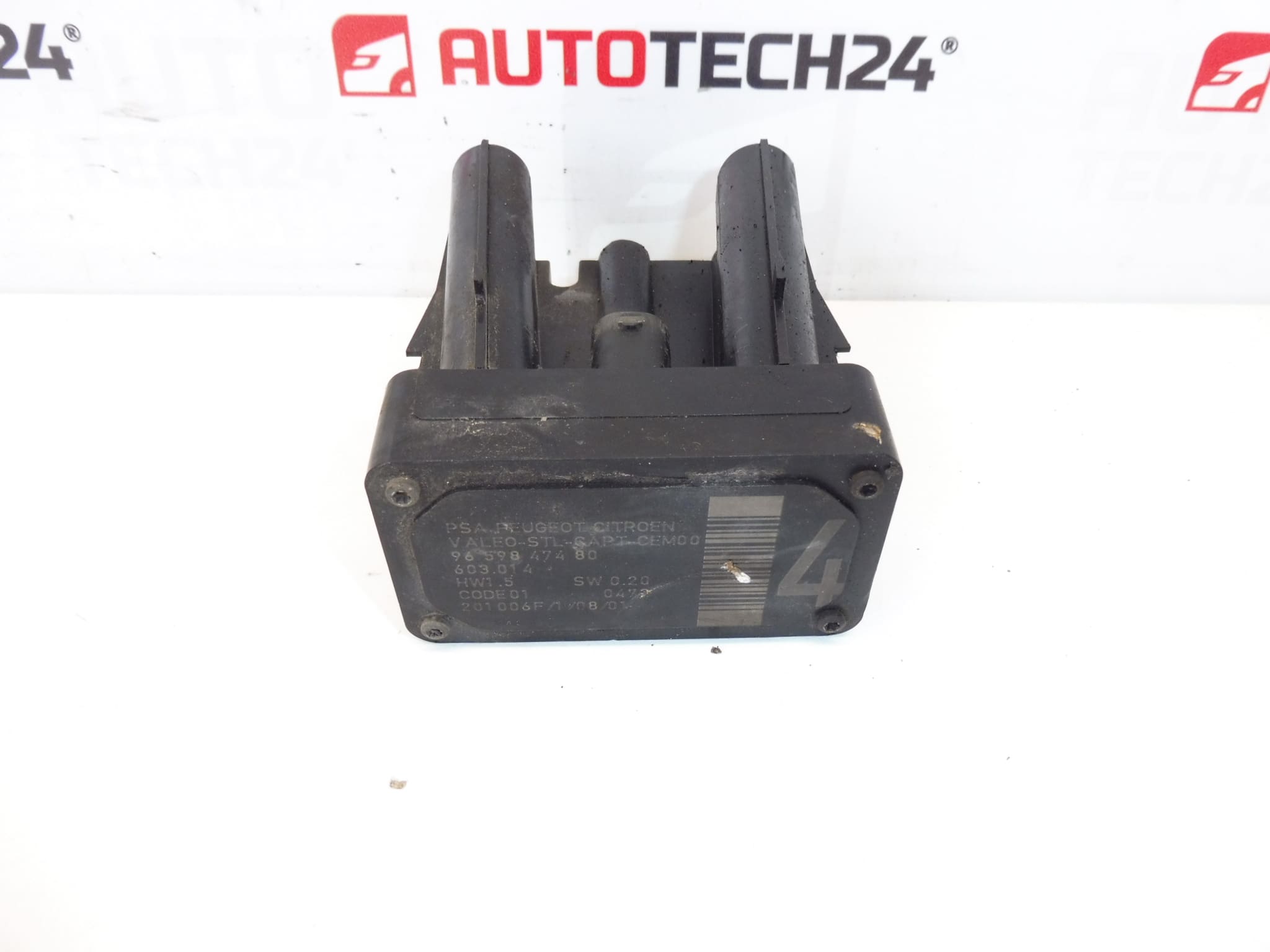
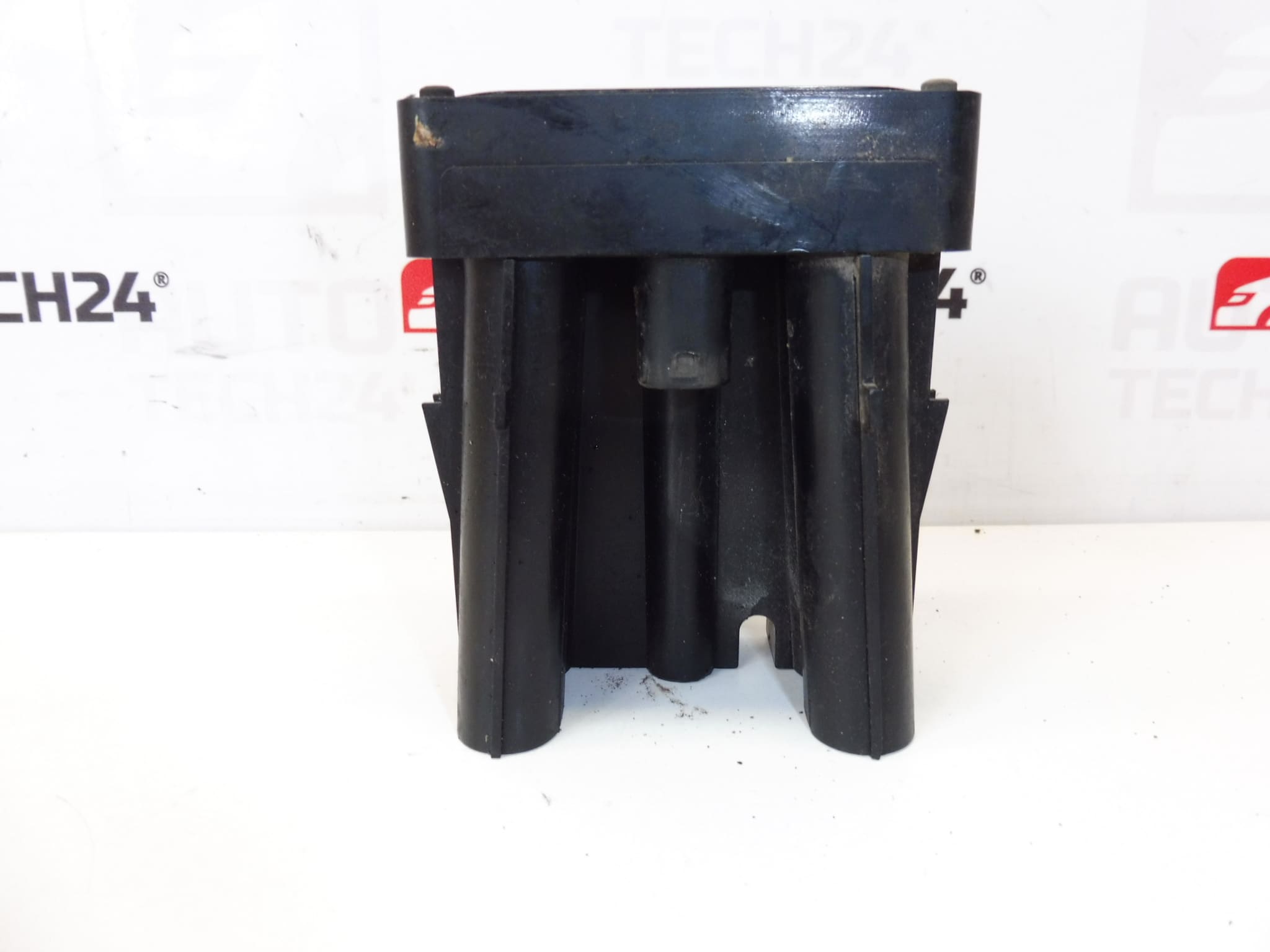
Lane departure monitoring AFIL sensor number 4 for Citroën and Peugeot vehicles. There may be a seized screw securing the unit to the wheel arch – it will need to be drilled out.
This AFIL sensor is a direct-fit component for lane departure monitoring systems used on a range of Citroën and Peugeot models. Designed for professional workshops and experienced DIY mechanics, the unit carries original manufacturer reference numbers commonly searched by technicians and parts buyers. Installing a correctly identified AFIL sensor restores lane-keeping warnings and prevents false alerts or disabled driver-assist features. Keywords: AFIL sensor, Lane Departure Sensor, Citroën AFIL, Peugeot AFIL, 9659847480, 6590W1.
Technical Information
- Manufacturer: Stellantis (Citroën / Peugeot)
- Model: Citroën C4, Citroën C4 Picasso, Citroën C5, Citroën C5 X7, Citroën C6, Peugeot 308, Peugeot 407
- Product Codes: 9659847480, 603.014
- Additional Numbers: 6590W1
Function
The AFIL sensor is part of the lane departure/keeping system. It detects lane markings and sends information to the vehicle’s safety control unit so the system can warn the driver or initiate corrective actions. Proper operation depends on secure mounting, a clean sensor surface, and reliable electrical connections.
Installation Recommendations
- Disconnect The Battery Before Work To Avoid Short Circuits And Airbag/System Faults.
- Remove Interior Trim And Wheel Arch Liner To Access The Sensor Housing.
- Unplug The Electrical Connector Carefully; Check For Corrosion Or Bent Pins.
- Remove Mounting Fasteners. Note: The Unit May Be Secured With A Seized Screw That Requires Drilling Out Or Careful Extraction.
- Fit The Replacement Sensor Ensuring Correct Orientation And Secure Mounting. Use Manufacturer-Approved Fastening Methods And Appropriate Torque Where Known.
- After Installation, Perform System Check And Recalibration With A Diagnostic Tool If Required By The Vehicle’s Service Procedures.
Why The Part Most Commonly Fails
Common causes of AFIL sensor faults include water ingress and corrosion at the connector, physical impact or deformation from road debris or minor collisions, and mounting hardware seizure due to corrosion. Environmental contamination (dirt, salt) can obscure the sensing element and lead to false alarms or loss of function. Mechanical stress or wiring damage from prior repairs also contributes to failure.
What To Expect And Practical Tips
- Search By Part Number: Many technicians locate this part using OE references 9659847480 or 6590W1—using these numbers increases the chance of a direct replacement.
- Prepare For Stuck Fasteners: Bring extraction drills, penetrating oil, and replacement fasteners when replacing this sensor.
- Calibration: Some vehicles Require Calibration Or A System Reset After Replacement; Have A Suitable Diagnostic Tool Available.
- Inspection: Check Harnesses And Clips During Replacement To Prevent Recurring Failures.