Description
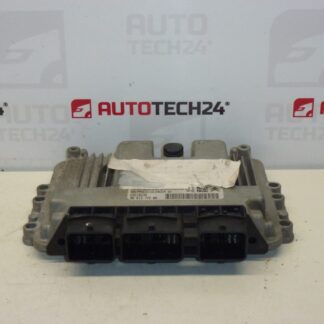
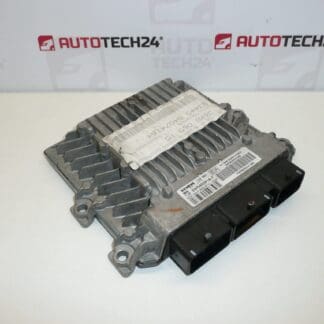
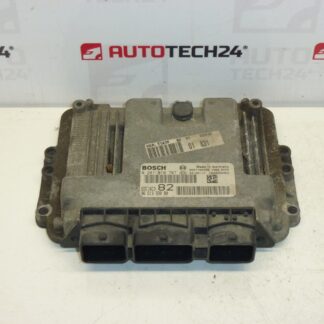
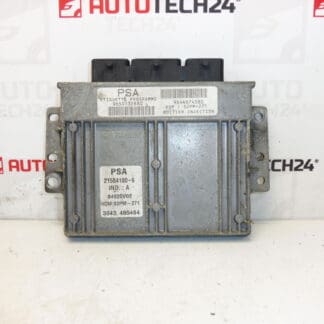
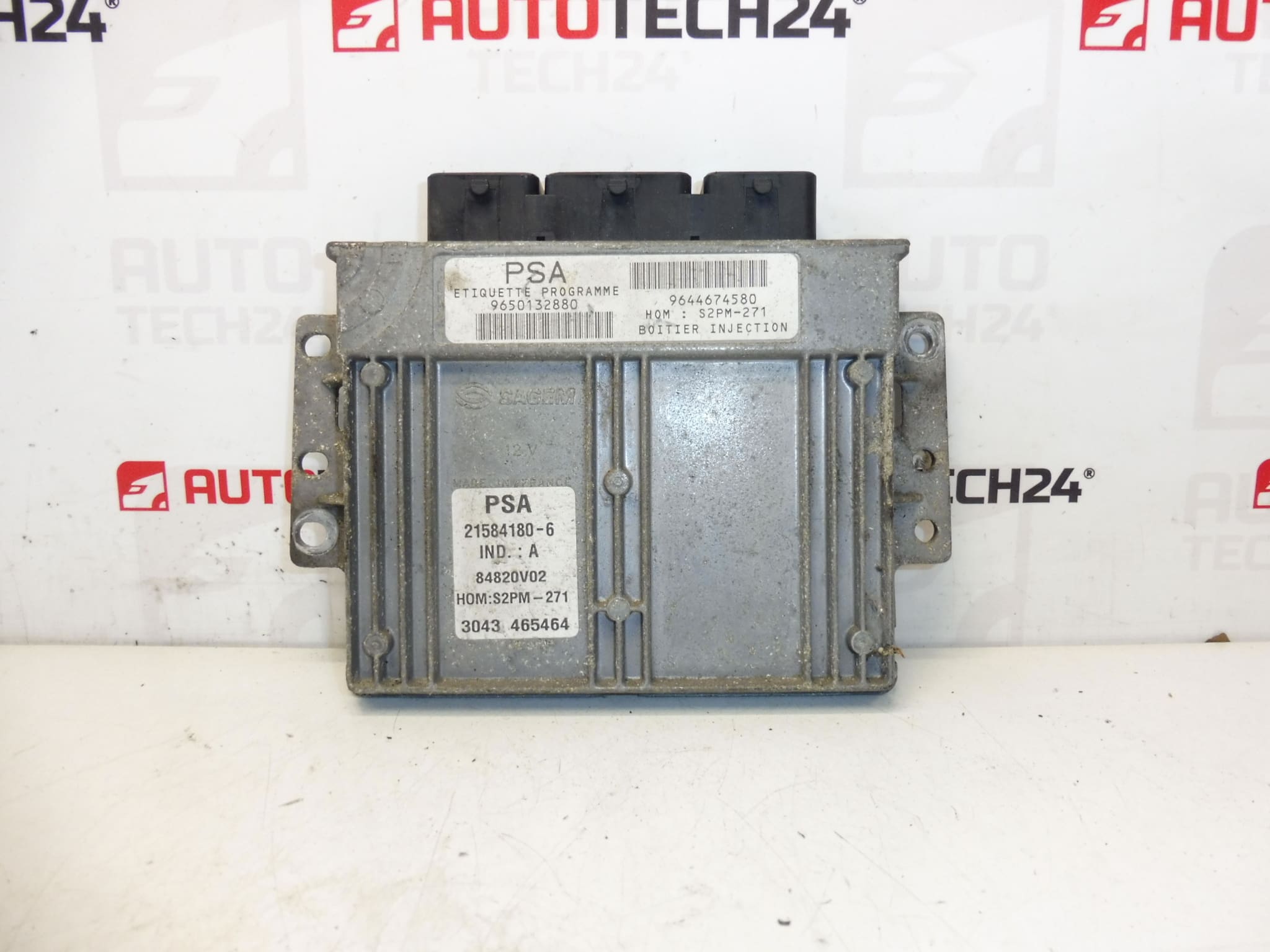
SAGEM Engine Control Unit for Citroën Xsara Picasso 1.8 16V 6FZ.
This genuine SAGEM ECU (S2PM-271) is designed for Citroën Xsara Picasso 1.8 16V engines (engine code 6FZ). Ideal for professional workshops and experienced DIY mechanics looking to replace a faulty injection control unit. The unit carries common manufacturer codes used in searches and spare-part lookups, which makes it easy to find by reference number. Swapping the ECU restores engine management functions such as fuel injection timing, ignition control, and sensor diagnostics, returning drivability and emissions performance to specification.
Technical Information
- Manufacturer: SAGEM
- Model: S2PM-271
- Product Codes: 9650132880, 9644674580, 194214
- Additional Numbers: Engine Code 6FZ
Installation And Coding – Important
- The unit is used and is “paired” with the original vehicle (VIN/PIN/keys).
- Options To Put Into Service:
- Cloning data from the old unit (EEPROM/Flash) – after cloning the unit is plug and play.
- Virginization and subsequent initialization/telecoding via DiagBox (or online) + key adaptation.
- Recommended To Be Performed By A Specialist With PSA Service Equipment (DiagBox/Lexia/PP2000).
- Before Removal/Installation Always Disconnect The Battery And Follow The Manufacturer’S Procedure To Avoid Damaging The Unit.
How To Replace
- Prepare: Park on a flat surface, engage parking brake and remove ignition key.
- Disconnect Battery: Always disconnect the negative terminal before starting work.
- Access ECU: Locate the ECU (factory locations vary; follow vehicle service manual for exact position).
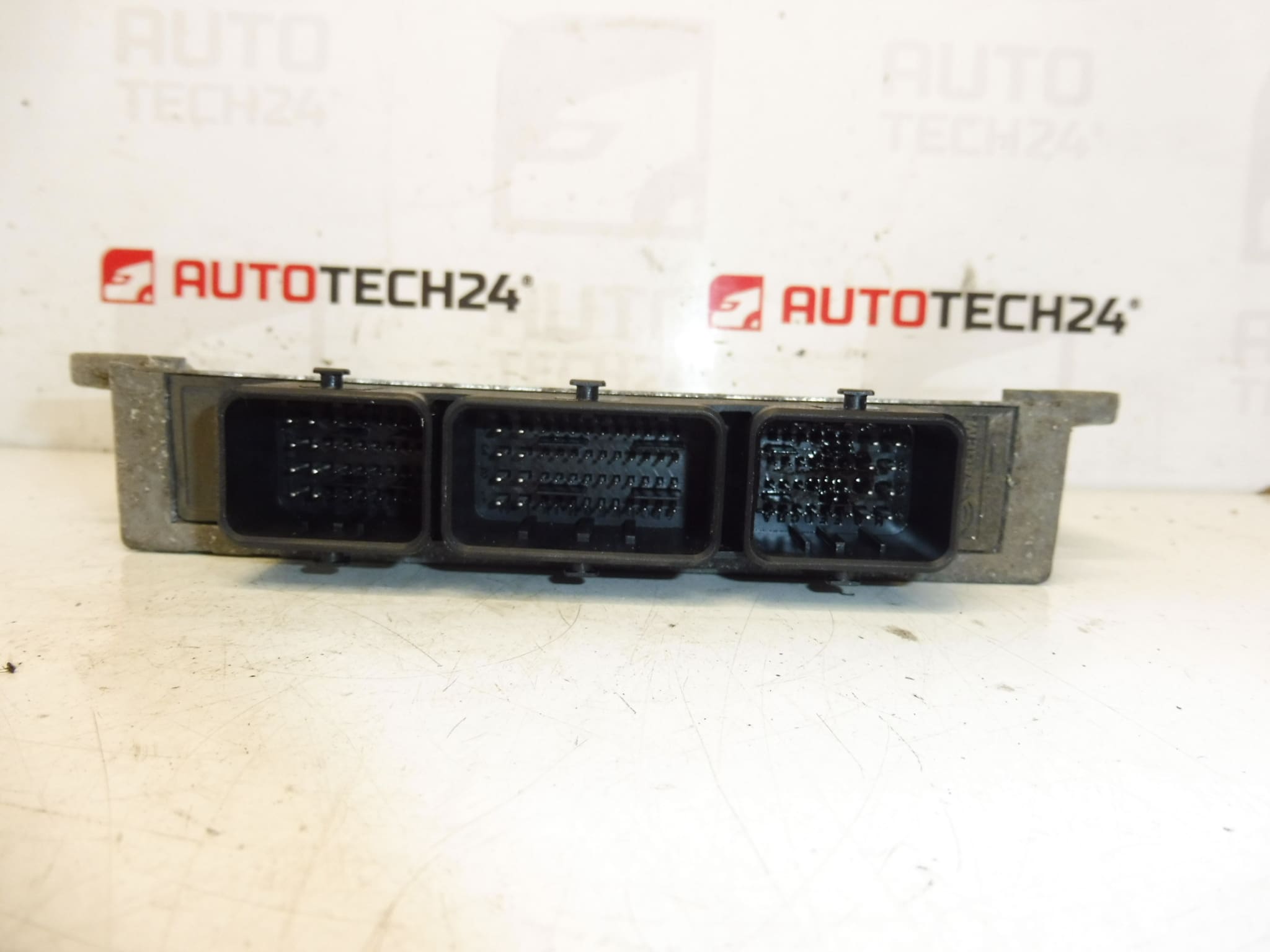
- Unplug Connectors: Carefully release connector locks and remove harness plugs without bending pins.
- Remove Unit: Unfasten mounting bolts and extract the ECU. Protect it from static and moisture.
- Reinstall: Fit the replacement unit, secure bolts to correct torque, reconnect harness and battery.
- Coding/Cloning: Perform cloning or virginization and coding as required (see Installation And Coding above) before test running the engine.
Why The Part Fails Most Often
- Water Ingress And Corrosion: Moisture penetration or corroded connectors cause intermittent faults or permanent failure.
- Thermal Stress: Repeated heating and cooling cycles can damage internal components or solder joints.
- Voltage Spikes And Poor Electrical Supply: Jump-starts, faulty alternators or bad wiring may fry electronics.
- Mechanical Damage: Impact, improper handling or connector damage during repairs.
- Age-Related Wear: Over time electronic components and seals degrade, leading to malfunction.
Recommendations For Installation
- Observe ESD Precautions: Avoid touching circuit boards and use anti-static measures when handling the ECU.
- Disconnect The Battery: Prevents short circuits and protects internal memory during replacement.
- Inspect Wiring Harness And Connectors: Repair any damaged pins or corroded contacts before installing the new unit.
- Use Proper Diagnostic Tools: For coding/cloning use PSA tools (DiagBox/Lexia/PP2000) or an experienced workshop to ensure full functionality.
- Do Not Start The Engine Until Coding/Cloning Is Completed: To avoid limp-mode, incorrect fueling or immobilizer issues.
Searching By Product Number Is Common: Use the listed product codes (9650132880, 9644674580, 194214, S2PM-271) when checking compatibility or cross-referencing parts catalogues.