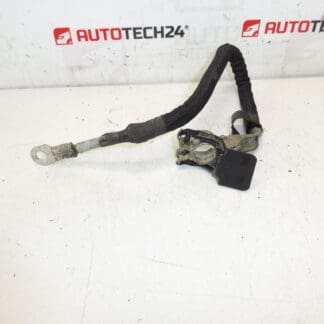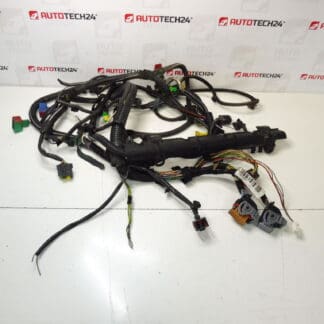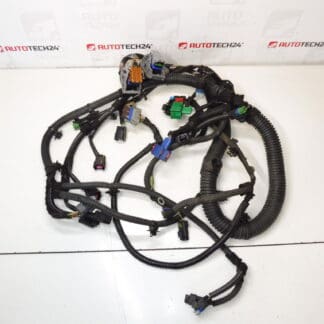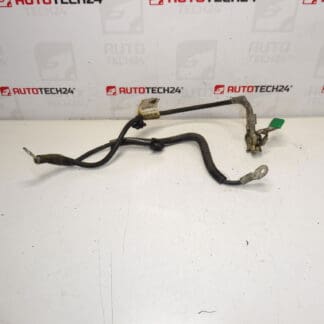
Description
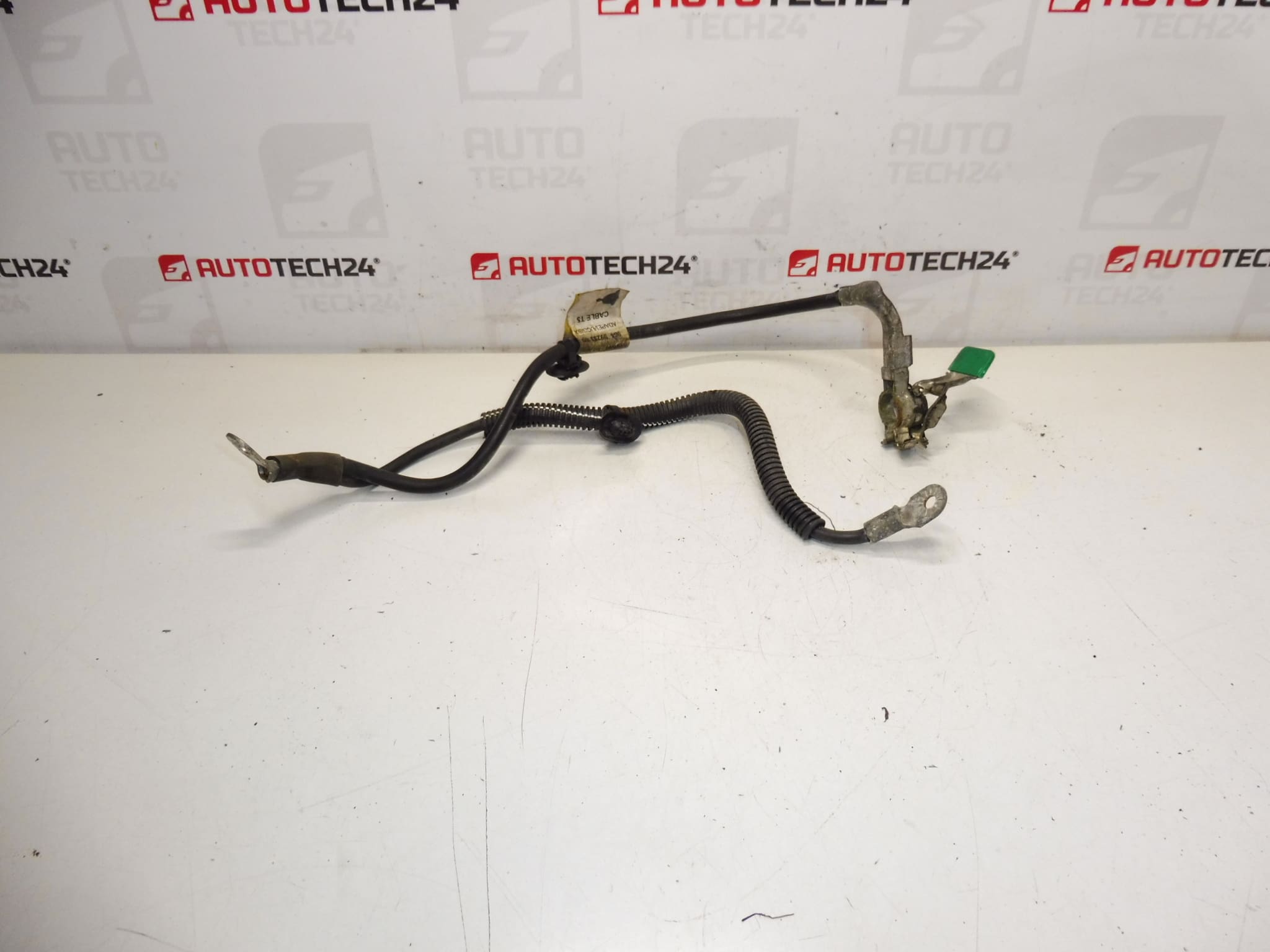
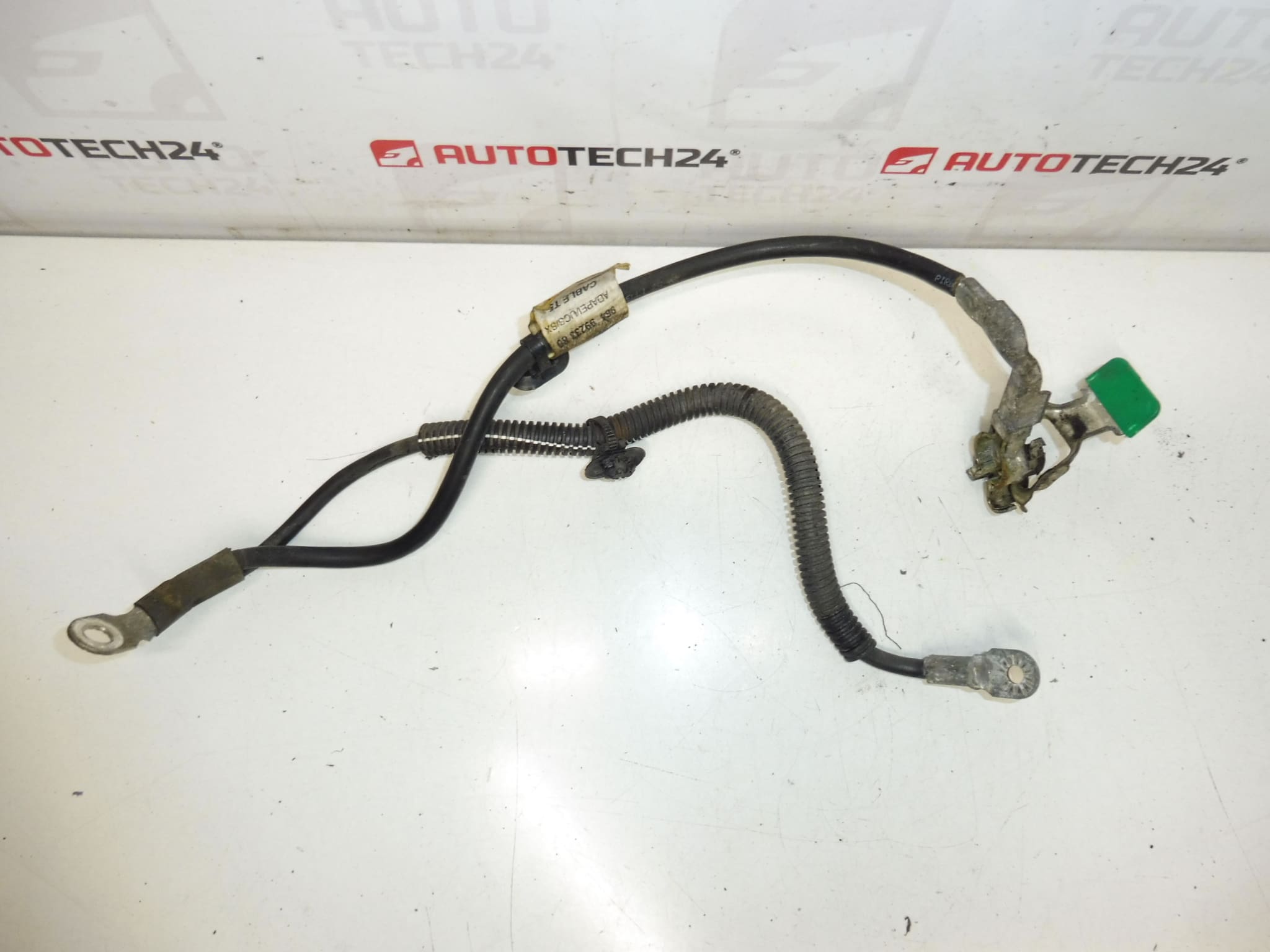
Positive Pole Connection Cable In Engine For 2.0i Peugeot 206 RC And 307 CC
Overview
This engine bay positive pole connection cable is designed for 2.0i petrol variants of the Peugeot 206 RC and Peugeot 307 CC. It provides a reliable high-current route for battery positive voltage to engine-mounted distribution points such as the starter or starter solenoid, helping ensure consistent starting performance and stable power delivery to engine electrical systems.
Benefits And Application
Ideal for professional garages and DIY mechanics, this replacement cable restores secure electrical contact where original wiring has deteriorated. Typical benefits include improved cranking reliability, reduced voltage drop under load, and prevention of intermittent faults caused by corroded or damaged conductors and terminals. Common search terms: Peugeot 9645113380 cable, 5642Y0 engine cable, Peugeot 206 RC positive pole cable, Peugeot 307 CC starter cable.
Technical Information
- Manufacturer: Stellantis / Citroén / Peugeot
- Model: Peugeot 206 RC; Peugeot 307 CC (2.0i)
- Product Codes: 9645113380
- Other Numbers: 5642Y0, NFP
Function
The cable transmits battery positive voltage to engine-mounted components (starter/solenoid/distribution point). It must carry high current without excessive resistance and be routed and insulated to withstand heat, vibration and exposure to fluids in the engine bay.
How To Replace
Recommended For Trained Mechanics And Competent DIYers. Typical replacement steps:
- Park Vehicle Safely And Disconnect Battery Negative Terminal Before Starting Work.
- Locate The Damaged Cable Routing From The Battery To The Starter/Engine Distribution Point. Note Any Clips Or Grommets For Correct Reinstallation.
- Remove Any Securing Fasteners Or Terminal Nuts; Carefully Release Old Cable From Terminals.
- Fit The New Cable In The Same Route, Ensuring Proper Insulation Clearance From Exhaust And Moving Parts.
- Tighten Terminal Connections To Manufacturer Torque Specifications And Reinstall Any Clips/Grommets.
- Reconnect Battery And Perform A Start Test; Inspect For Secure Fitment And Absence Of Sparking Or Excessive Heating.
Installation Recommendations
- Always Disconnect Battery Before Any Work To Prevent Short Circuits.
- Use Correct Tools And Proper Torque On Terminal Nuts To Avoid Loose Connections.
- Replace Any Corroded Terminals Or Fasteners; Clean Mating Surfaces To Ensure Low Resistance Contact.
- Secure Cable With Original Clips Or Suitable Replacements To Prevent Chafing Against Sharp Edges And High-Temperature Components.
- If Cable Runs Near Exhaust Components, Add Heat Protection Sleeving Or Reroute If Possible.
Why This Part Fails Most Commonly
- Corrosion At Terminals Due To Moisture Or Battery Acid Leading To Increased Resistance And Poor Contact.
- Mechanical Wear Or Chafing From Improper Routing Causing Insulation Damage And Shorting.
- Heat Degradation From Proximity To Exhaust Or Engine Components Causing Brittle Insulation And Exposed Conductors.
- Vibration And Fatigue Causing Fractured Conductors Or Loose Crimped Connections.
Compatibility Notes
Intended For 2.0i Petrol Versions Of Peugeot 206 RC And Peugeot 307 CC. Always Verify The Part Number (9645113380 / 5642Y0) Against The Vehicle’s Parts List To Confirm Fitment.