Description
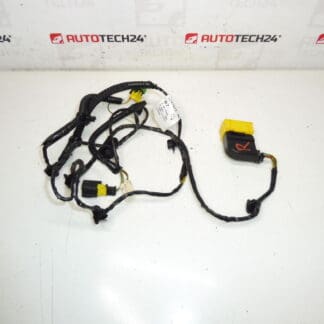
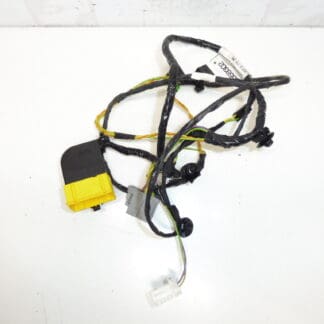
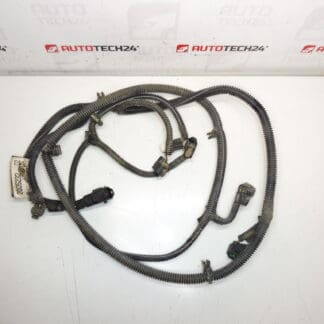
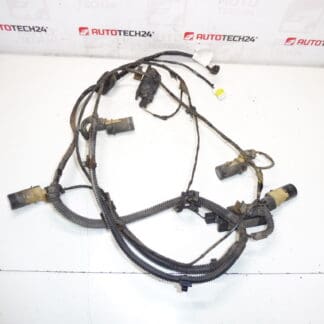
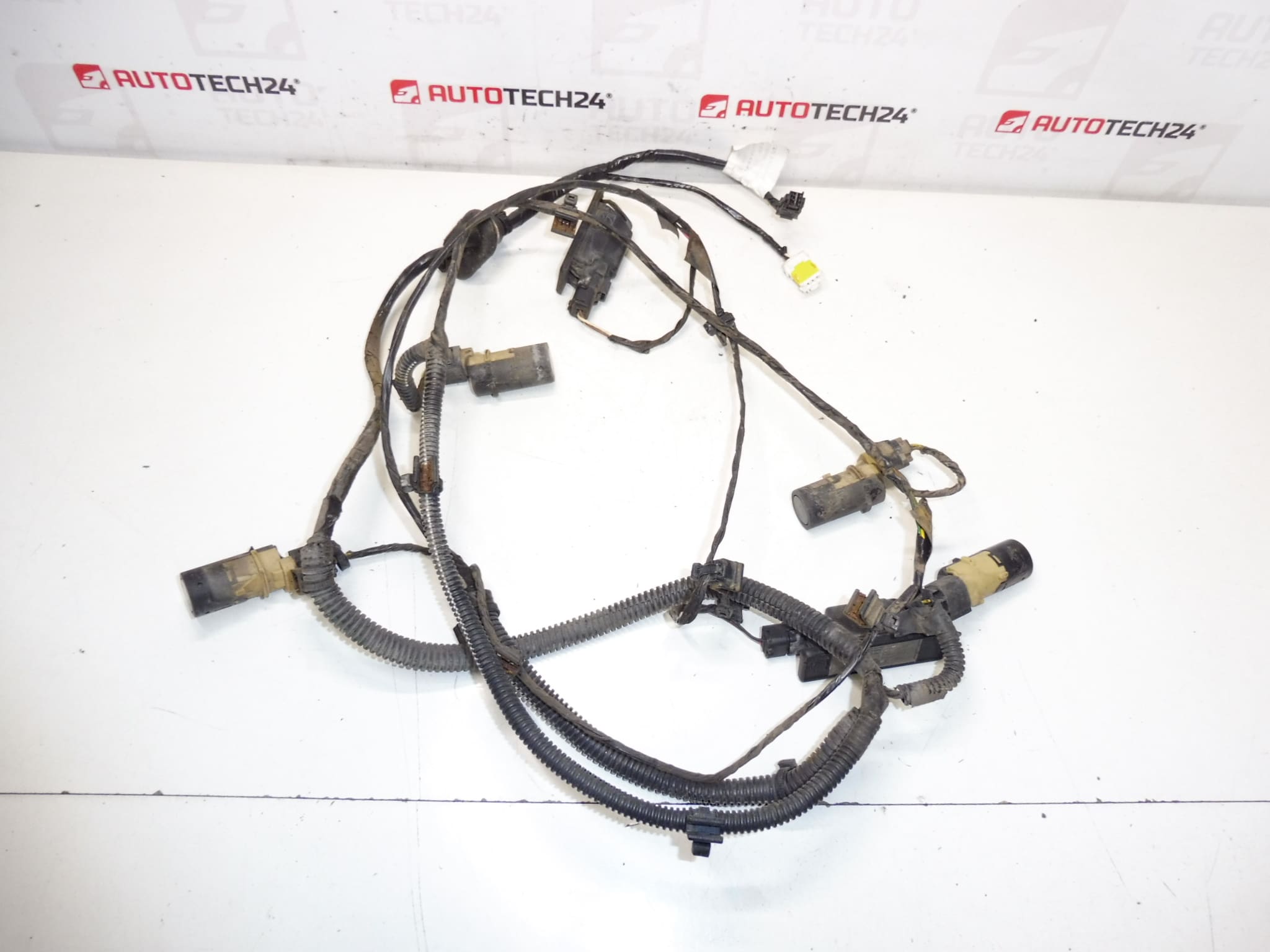
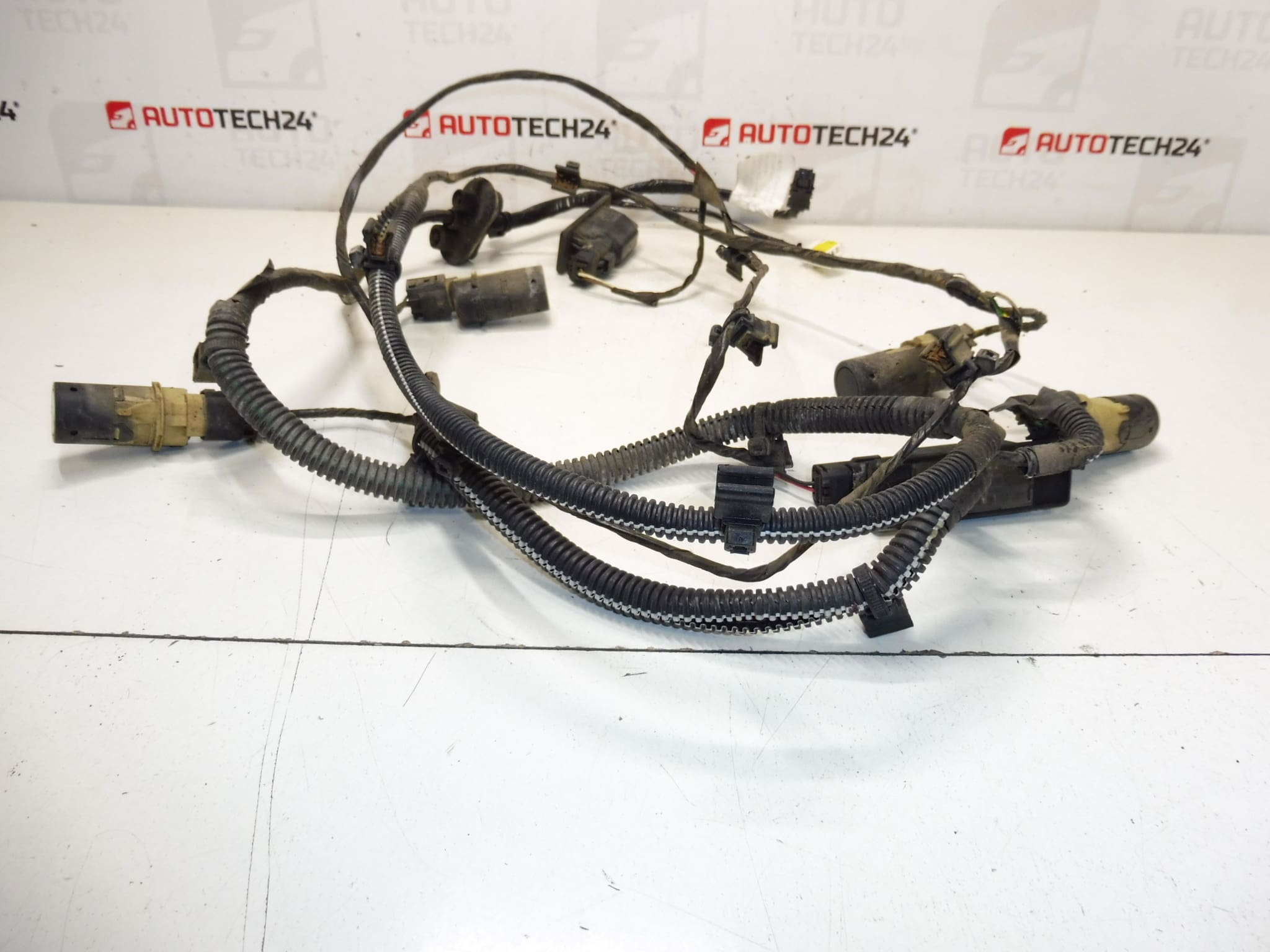
Complete parking-assist harness including sensors and license plate illumination for Peugeot 307 CC vehicles. Functionality of all sensors and illumination is not guaranteed. For rear bumper.
This complete PDC (Park Distance Control) wiring harness with sensors and license plate light is a direct-fit solution for Peugeot 307 CC owners and professional workshops looking for a ready-made rear bumper wiring assembly. The set typically includes the main cable loom, ultrasonic sensors pre-fitted in their housings and the lamp for license plate illumination. Common search terms: Peugeot 307 CC parking sensor harness, PDC wiring loom 9644452780, 6528Q1 parking sensors.
Why Choose This Part
Designed as an OEM-style harness, the assembly reduces installation time compared with fitting individual sensors and wiring separately. It is especially useful when replacing a damaged rear harness after bumper removal or impact. Supplying complete pre-wired sensors and illumination simplifies diagnostics and ensures correct sensor spacing for the 307 CC rear bumper.
Installation Recommendations
- Disconnect the negative battery terminal before any electrical work to avoid short circuits or ECU faults.
- Carefully remove the rear bumper or inner trim to access sensor mounting points and existing connectors.
- Unplug the original harness from factory connectors and remove old sensors. Fit the new harness sensors into the bumper holes, ensuring correct orientation and secure seating.
- Route and fasten the loom along the original clip points to avoid chafing; secure connectors with dielectric grease to reduce corrosion risk.
- Reconnect the harness to the vehicle connector and license plate lamp, reassemble the trim/bumpers, reconnect the battery and perform a functional check of the PDC system.
Most Common Failure Reasons
- Water Ingress: Moisture in sensor housings or connector plugs causes intermittent operation or complete failure.
- Impact Damage: Bumper hits or minor collisions often damage sensors or the harness routing, breaking connectors or wires.
- Corrosion And Oxidation: Poor sealing at connector interfaces leads to corrosion, especially in regions with road salt.
- Mechanical Wear: Abrasion from improper routing or pinched cables during repairs can cut conductors.
Technical Information
- Manufacturer: Stellantis (Peugeot/Citroën)
- Model: Peugeot 307 CC
- Product Codes: 9644452780, 6528Q1
- Other Numbers: NFP
Note for Professionals: Searchable product codes (9644452780, 6528Q1) make this assembly easy to locate in parts catalogs. When replacing the harness, inspect sensor housings and bumper mounting points for deformation and verify connector pins are straight before final assembly.