Description
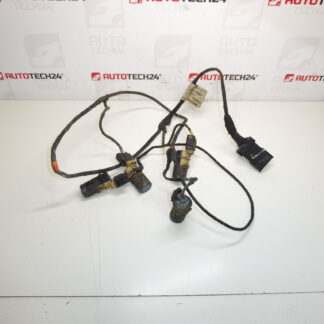
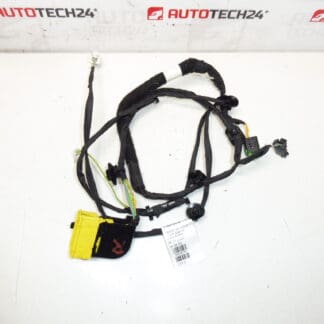
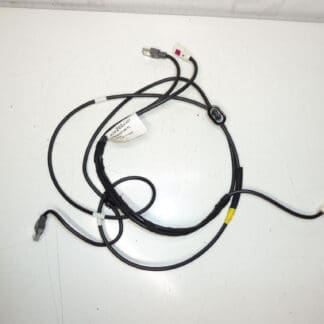
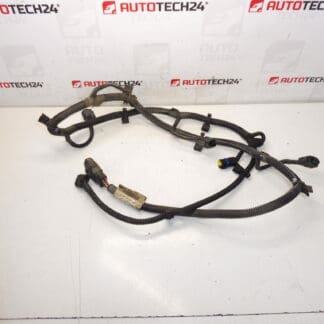
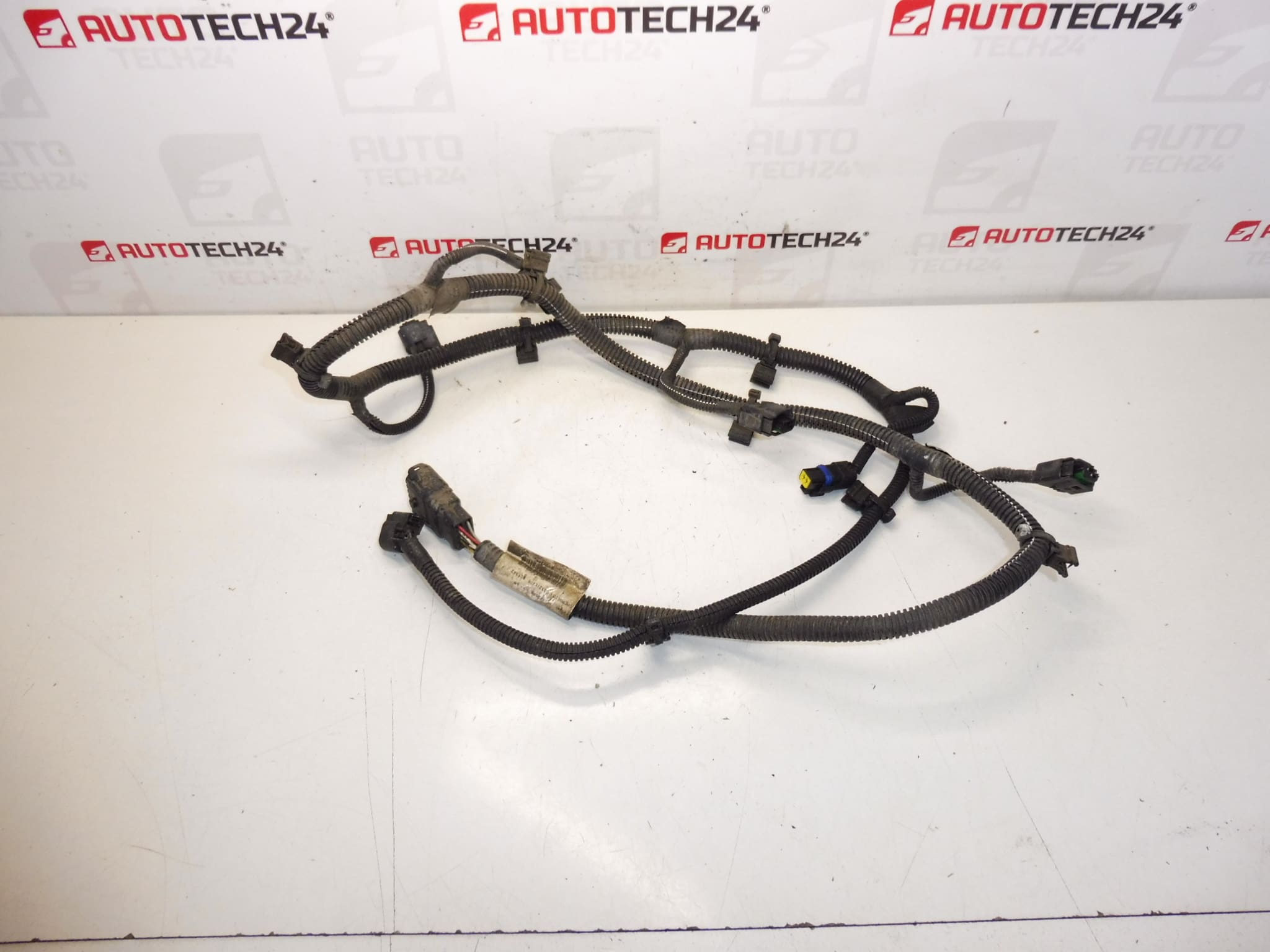
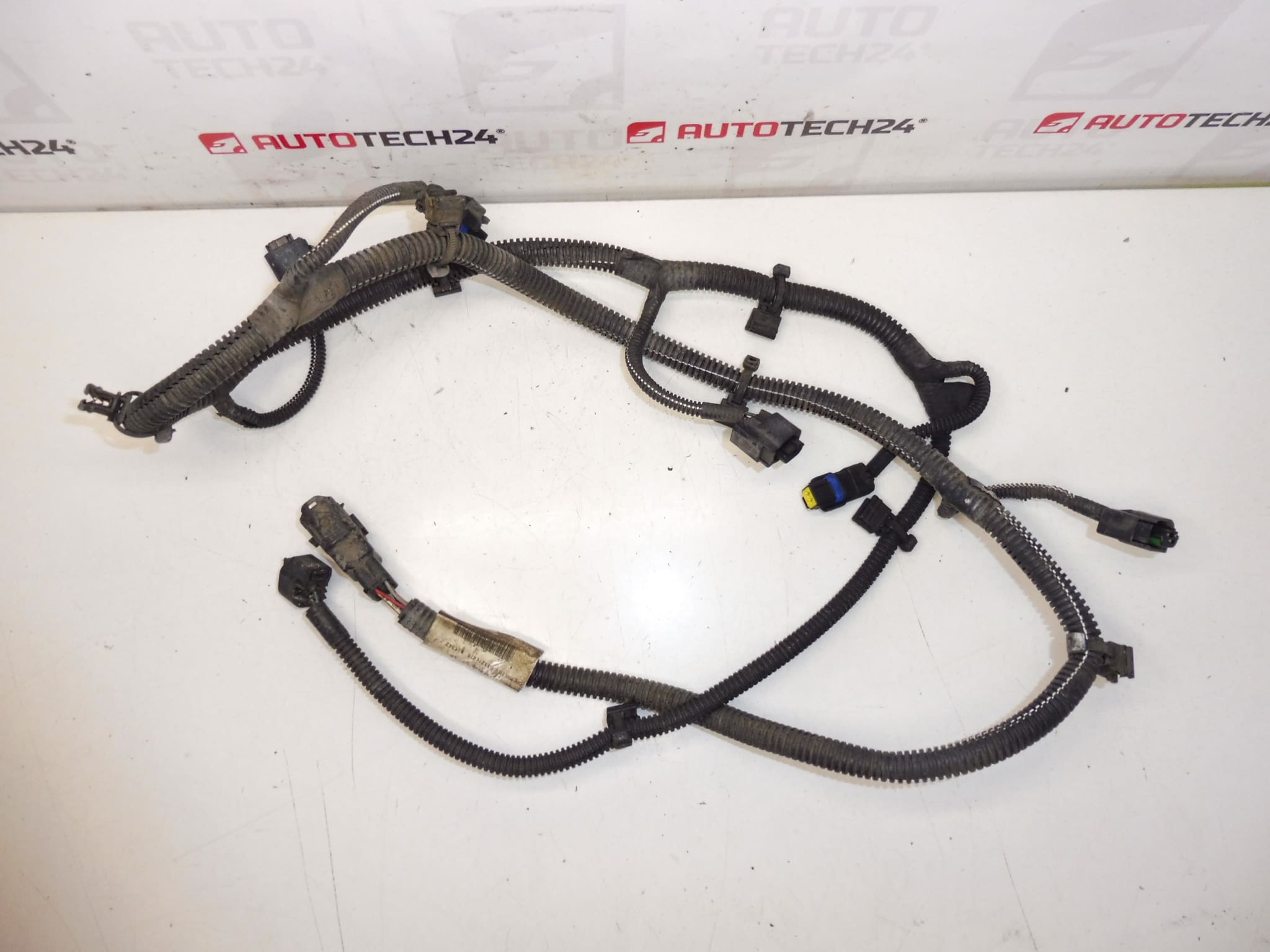
Parking assistant wiring harness for Citroën C4 Picasso (first series) — Rear bumper.
Description
This rear PDC (parking distance control) wiring harness is designed to connect the rear bumper sensors to the vehicle’s parking control module on Citroën C4 Picasso first generation models. The harness routes sensor signals, power and ground lines, and includes the original connector interfaces to the bumper sensors and the vehicle loom. Ideal for professional workshops and DIY mechanics looking to restore rear parking sensor function after collision repairs or electrical failures.
Key Functions
- Transmit signals from rear ultrasonic parking sensors to the PDC control unit.
- Provide stable power and ground for sensors and associated components.
- Ensure secure, weather-resistant connections behind the rear bumper.
Technical Information
Manufacturer: Stellantis (Citroën)
Model: Citroën C4 Picasso (First Generation) — Rear Bumper
Product Codes: 9659517080, 6575Y4
Other Numbers: Tag/Reference: PEUGEOT 3008 I (shared platform compatibility in some versions; cross-check product codes)
Compatibility Notes
Main fitment is Citroën C4 Picasso (first series). In some cases the same harness reference appears on related Stellantis platforms and may be found on certain Peugeot 3008 I variants — compatibility depends on bumper equipment and sensor configuration. Match the product codes (9659517080 / 6575Y4) to ensure correct fitment.
How The Part Is Replaced
- Disconnect Battery Before Work: Always disconnect the battery prior to removal to prevent short circuits and avoid damage to electronic modules.
- Remove Rear Bumper: Access the harness by removing the rear bumper cover—use trim tools to avoid damaging clips.
- Unplug Connectors: Carefully disconnect sensor plugs and any clips securing the harness to the bodywork or chassis.
- Replace Harness: Remove the old harness, route the new harness along the same path, secure with original clips or new cable ties, and plug all connectors firmly into place.
- Reassemble And Test: Refit the bumper, reconnect the battery, and test the parking sensors and PDC system for proper operation.
Installation Recommendations
- Use Proper Tools: Trim removal tools, Torx/socket set, multimeter and dielectric grease for connectors.
- Protect Connectors: Apply a thin layer of dielectric grease to sensor pins to reduce corrosion risk and ensure reliable contact.
- Secure Routing: Avoid tight bends and pinching points; fasten the harness with OEM-style clips or quality cable ties to prevent chafing.
- Check Sensor Alignment: After installation, verify each sensor is correctly seated in the bumper to prevent false readings.
- Follow Manufacturer Procedures: Adhere to vehicle-specific disassembly steps to avoid damage to clips, brackets or sensors.
Most Common Failure Reasons
Wiring harnesses for rear parking sensors typically fail due to mechanical damage, corrosion or water ingress. Common causes:
- Accident Damage: Rear impacts often crush or sever the harness behind the bumper.
- Connector Corrosion: Moisture and road salt lead to degraded contacts and intermittent sensor signals.
- Wear From Repeated Removal: Frequent bumper removal for repairs can weaken wires or break connector locks.
- Rodent Or Mechanical Damage: Rodents or sharp edges can chew or chafe wiring, causing shorts or open circuits.
- Poor Prior Repairs: Improper splices or non‑sealed repairs allow water ingress and rapid deterioration.
Why Choose This Harness
Replacing a damaged or faulty rear PDC harness with a correct-reference part (9659517080 / 6575Y4) restores reliable parking sensor operation and avoids intermittent faults that can confuse the PDC control unit. The harness is suitable for professional fitting and for experienced DIY mechanics performing bumper and sensor repairs.
Additional Tips
- After installation, run a full PDC self-check if available and clear any stored fault codes.
- Inspect sensor elements and grommets for damage when replacing the harness—faulty sensors can mimic wiring faults.
- Use OEM-equivalent connectors and protective sleeving where repairs are necessary.