Description
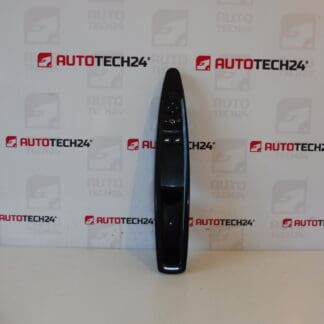
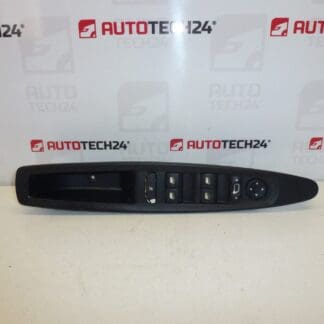
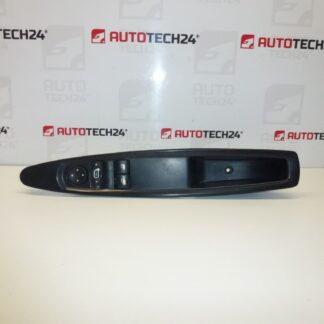
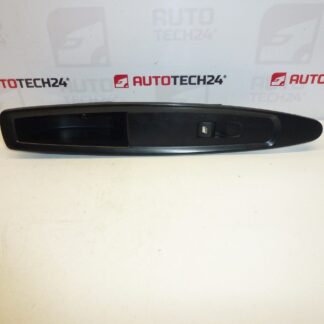
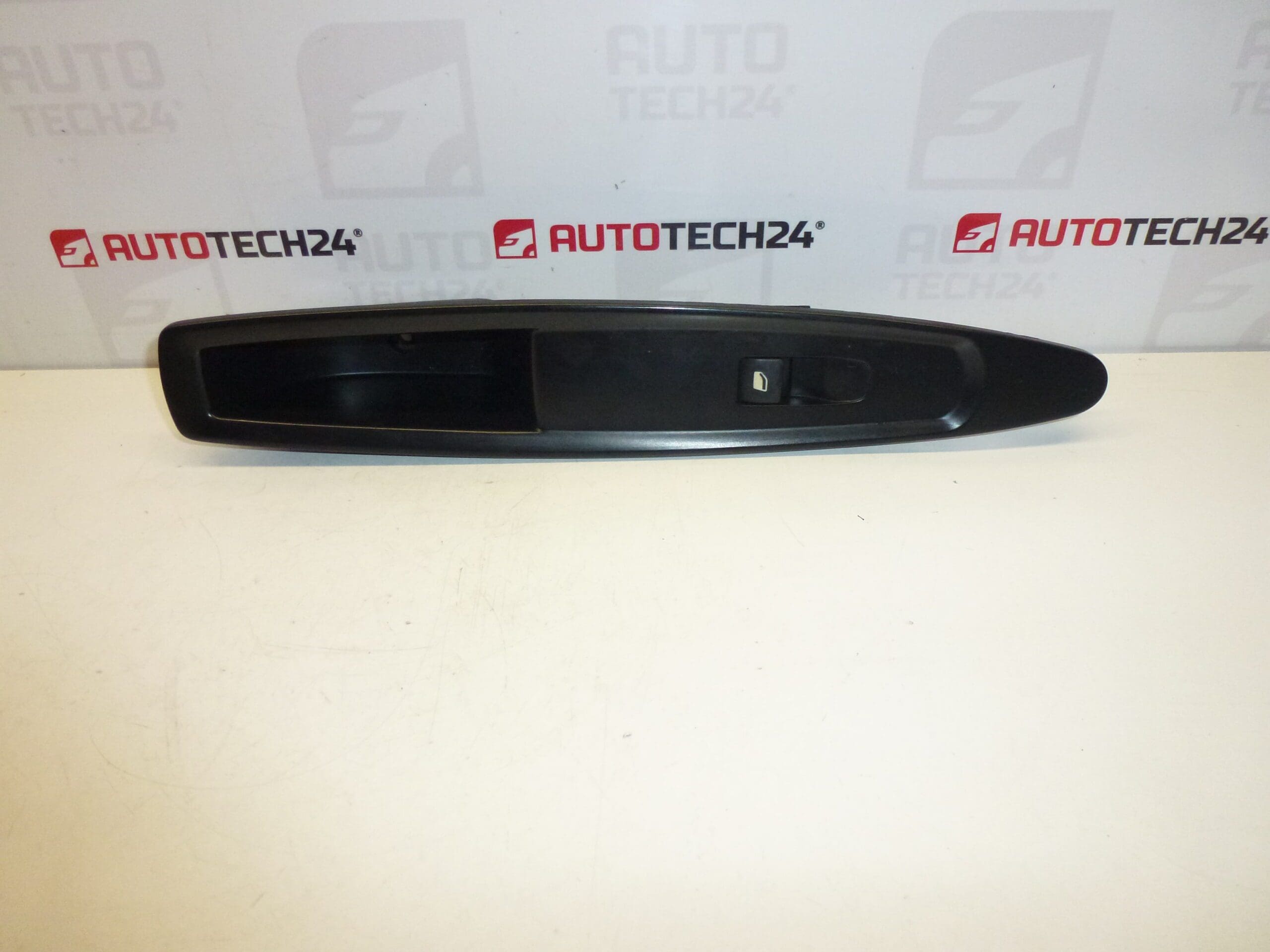
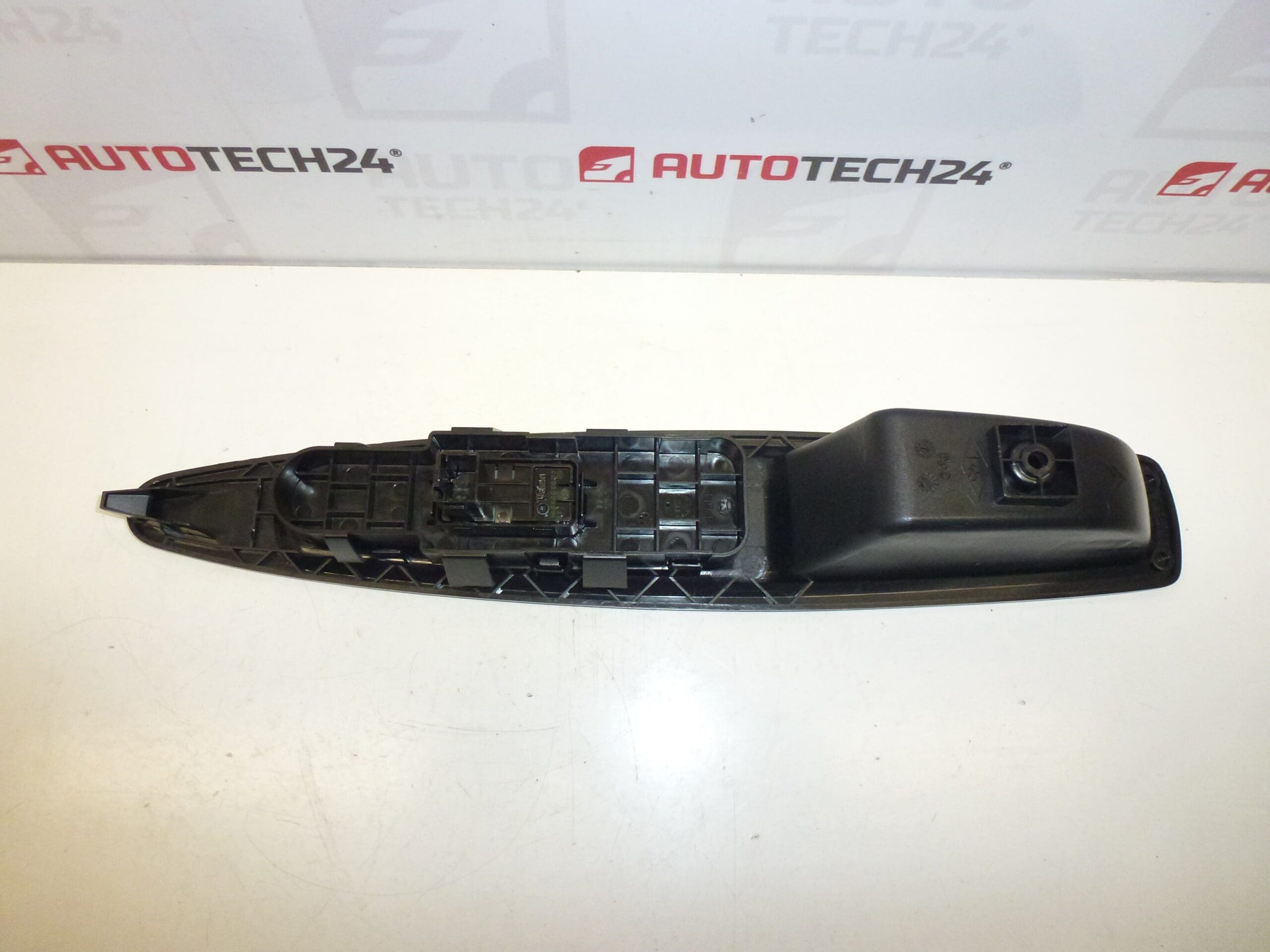
Front Passenger Door Window Switch For Citroën C4 First Generation. This Is A Used Part That May Show Signs Of Use. Variant FXT – Black Cornelie.
Product Description
High-quality replacement front passenger power window switch designed for Citroën C4 first generation. Ideal for professional workshops and experienced DIY enthusiasts, this OEM-compatible switch restores reliable control of the front passenger window. The unit is fitted in the door trim and operates the window regulator via the vehicle’s electric system. Commonly searched by original part numbers (9651465677, 6554HF), making it easy to find and order.
Key Features And Benefits
- Direct Fit For Citroën C4 First Generation — Plug-and-play form factor for straightforward replacement.
- OEM Part Numbers Included — Frequently referenced in spare-parts databases and repair orders: 9651465677, 6554HF.
- Robust Switch Mechanism — Designed To Handle Repeated Actuation Typical For Door Controls.
- Surface Finish: Black Cornelie (FXT) — Matches Factory Door Trim Styling.
- Cost-Effective Repair — Replaces Faulty Switch To Restore Full Window Functionality Without Replacing Regulator Or Motor If Those Parts Are Working.
How The Part Functions
The switch completes and interrupts electrical circuits that power the window regulator motor. Pressing the switch sends current to the motor in one direction for window up and the opposite direction for window down. The switch contains internal contacts and a rocker mechanism; wear or contamination of these contacts is the most common cause of failure.
Technical Information
- Manufacturer: Citroën (Stellantis)
- Model: Citroën C4 (First Generation)
- Product Codes: 9651465677, 6554HF
- Additional Numbers: FXT, Black (Cornelie)
Installation Recommendations
- Safety First: Disconnect The Battery Before Starting Work On Any Door Electrical Components To Prevent Short Circuits And Unintended Actuation.
- Tools Required: Trim Removal Tools, Small Screwdrivers, Torx/Phillips Drivers Depending On Door Trim Fasteners, Multimeter For Testing.
- Removal Steps: Carefully Pry Off Inner Door Trim/Bezel With Trim Tools To Avoid Breaking Clips. Remove Any Fasteners Securing The Switch Module. Unplug The Electrical Connector By Pressing The Lock Tab And Pulling Straight Out.
- Installation Steps: Connect The Electrical Plug To The New Switch, Test Window Operation Before Reassembling Door Trim, Refit Trim And Secure All Fasteners, Reconnect Battery.
- Testing: Verify Up/Down Movement And Switch Tactile Response Before Final Assembly. If Window Does Not Move, Check Fuse, Wiring, And Regulator/Motor Function.
- Handling Advice: Avoid Excess Force When Removing Switch From Trim; Protect Plastic Clips And Locking Tabs.
Why This Part Commonly Fails
- Wear Of Internal Contacts From High Cycle Use Leading To Intermittent Or Non-Functional Switching.
- Water Ingress Or Moisture Penetration From Window Seal Leaks Causing Corrosion Or Short Circuits.
- Spills And Contaminants (Liquids, Dirt) Entering The Switch Assembly.
- Connector Corrosion Or Loose Pins Resulting In Poor Electrical Contact.
- Mechanical Damage From Rough Handling Or Impact During Door Service.
Practical Tips For Diagnosis
- Confirm Power And Ground At The Switch Connector With A Multimeter While Operating The Switch.
- Swap With Known-Good Door Switch (If Available) To Isolate Switch Versus Regulator/Motor Fault.
- Inspect Connector Pins For Corrosion, Bent Pins, Or Burn Marks; Repair Connector Terminals If Needed.
- When Replacing, Test Window Operation Several Times To Ensure Reliable Function Before Completing Reassembly.
Compatibility And Notes
Designed For Citroën C4 First Generation. Often Cross-Referenced By Part Numbers 9651465677 And 6554HF. As A Used Component, Cosmetic Signs Of Use May Be Present.
Recommendation
Recommended For Automechanics And Experienced DIYers Replacing A Faulty Front Passenger Window Switch. If Electrical Issues Persist After Replacement, Continue Diagnostics On Fusebox, Wiring Harness, And Window Regulator/Motor.