Description
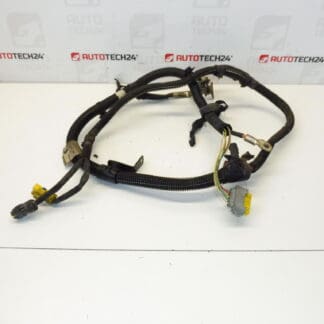
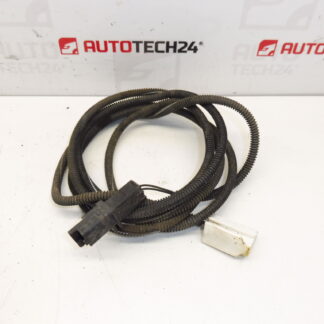
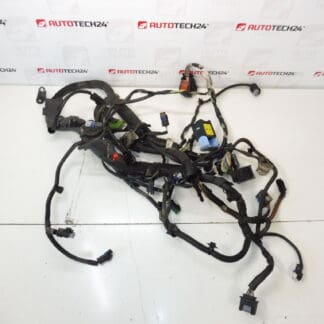
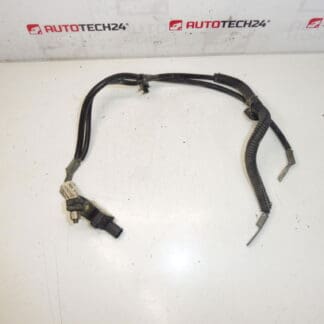
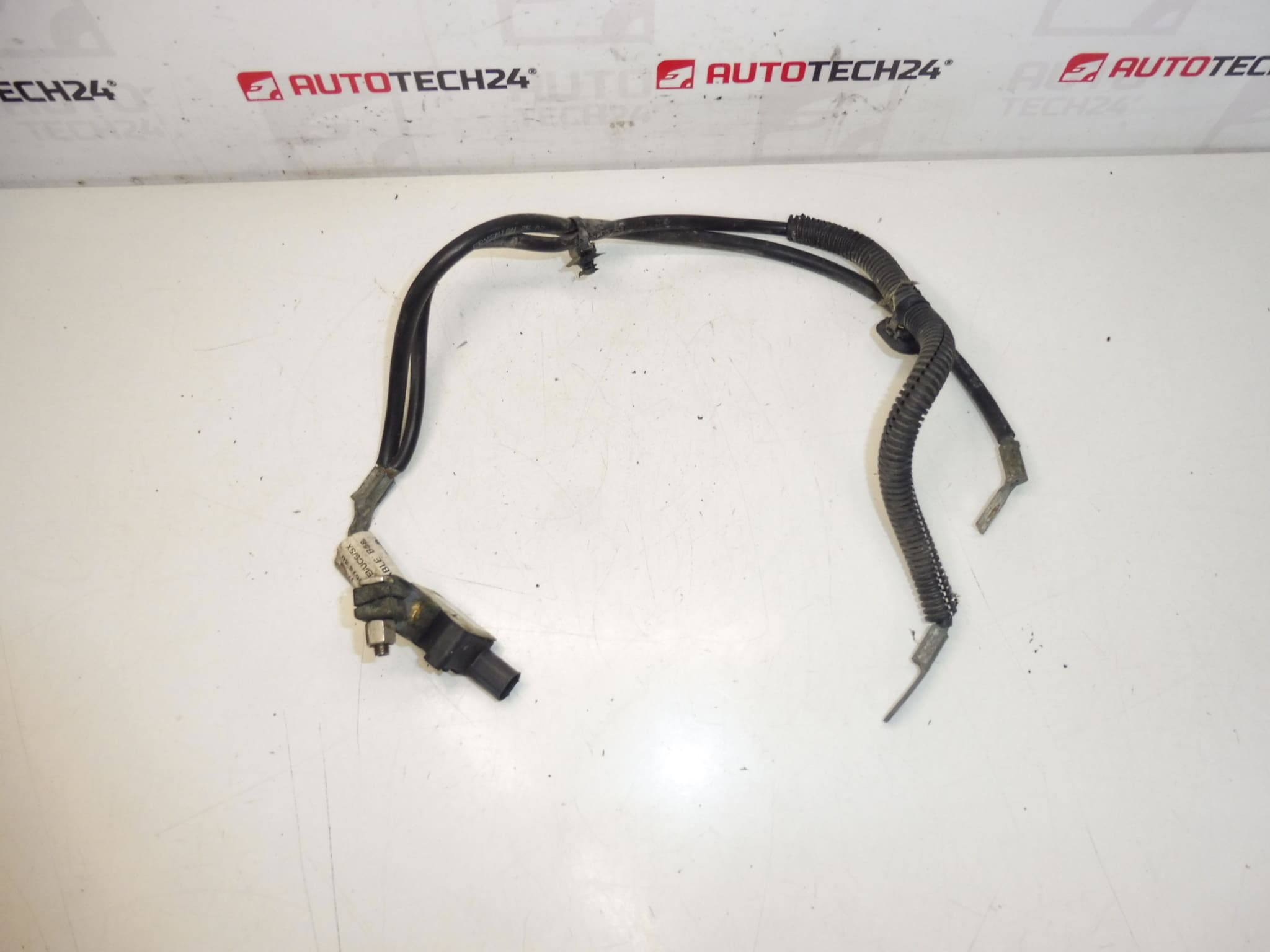
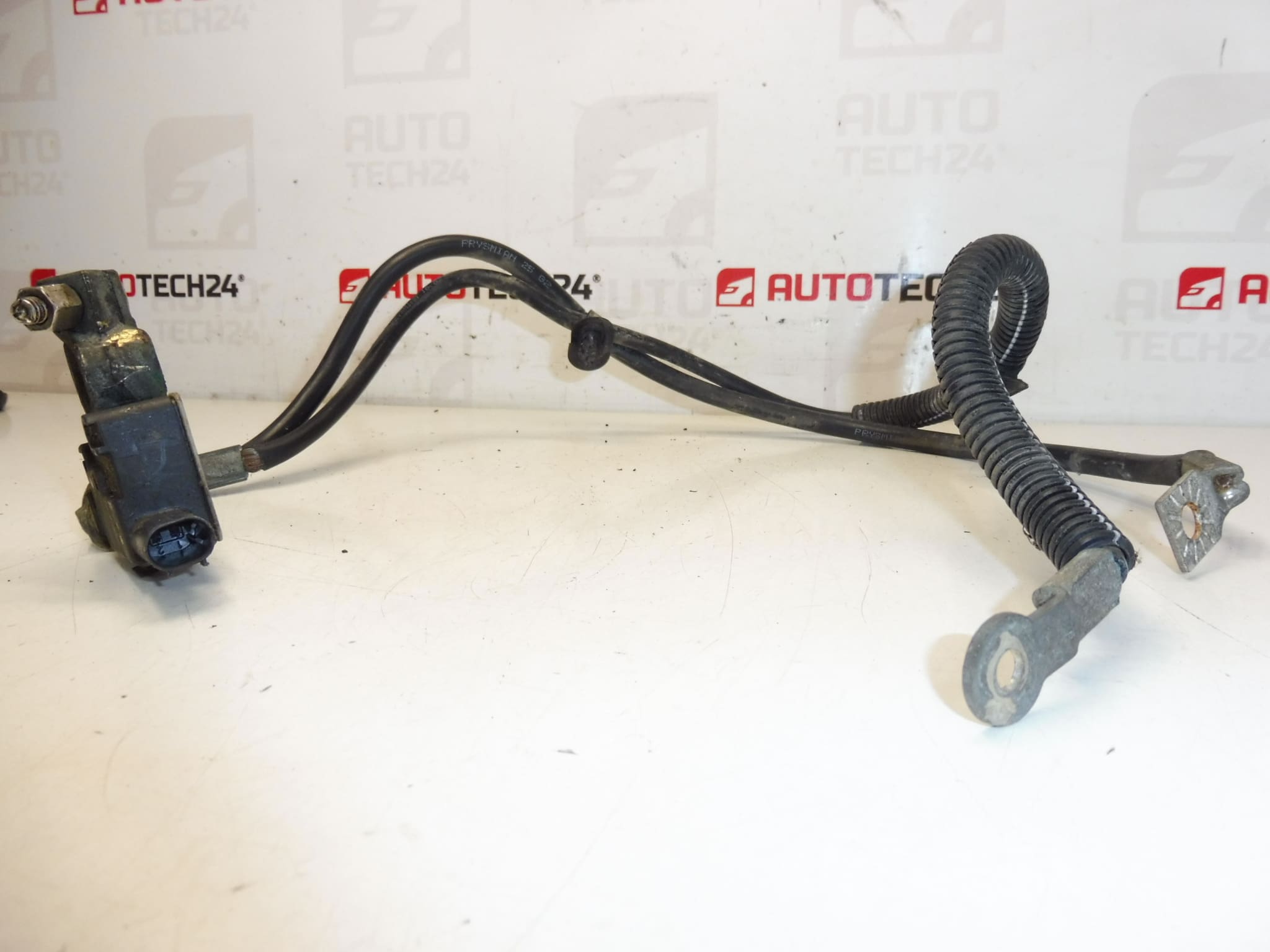
Negative battery cable for Citroën and Peugeot vehicles with 2.0 HDi engines.
Overview
This negative (ground) battery cable is designed for Citroën and Peugeot cars equipped with 2.0 HDi diesel engines. The cable provides a reliable electrical return path between the battery negative terminal and the chassis/engine block, ensuring correct operation of the starter, alternator and vehicle electronics. The part is commonly searched by its reference numbers, so check 9664067880, 5638SP or 5638VK when matching parts.
Applications And Compatibility
Typical compatible models (subject to engine and equipment version):
- Citroën C4 II
- Citroën C4 Picasso
- Citroën C5 X7
- Peugeot 3008 I
- Peugeot 308
- Peugeot 5008 I
How The Part Works
The negative battery cable connects the battery negative terminal to the vehicle ground (chassis/engine). It completes the electrical circuit for starting, charging and powering all onboard electronics. A secure, low-resistance connection is essential to avoid voltage drops that can lead to hard starting, intermittent electronics faults or charging-system warnings.
Common Failure Causes
Negative cables usually last for many years, but failures become more likely with age and exposure. Typical causes:
- Corrosion at terminal/clamp or at chassis attachment points (accelerated by road salt and moisture).
- Mechanical fatigue or broken conductor strands due to vibration, bending or poor routing.
- Heat damage from nearby exhaust components or turbocharger plumbing.
- Poor contact after previous repairs (loose clamps, missing solder/crimp quality or damaged insulation).
When To Replace
Replace the cable if you observe heavy corrosion, visible broken strands, burnt or melted insulation, hard starting, frequent warning lights related to charging or electronics, or unusually high voltage drop across the ground connection. There is no fixed service interval; replacement is condition-based and often required on older vehicles or cars exposed to aggressive environments.
Replacement Procedure
Recommended basic steps for experienced mechanics and competent DIYers:
- Park the vehicle on a stable surface, switch off ignition and remove key.
- Disconnect the battery following safety rules: always remove the negative terminal first to reduce risk of short circuit.
- Locate all attachment points for the negative cable (battery terminal, chassis/engine earth point, any junctions to starter or alternator).
- Loosen fasteners and remove the old cable. Inspect mating surfaces (battery post, chassis eyelet, starter terminal) and clean corrosion with a suitable wire brush or contact cleaner.
- Fit the new cable with correct routing and secure all clamps to avoid chafing and heat exposure. Use new hardware if original fasteners are corroded.
- Tighten connections to the manufacturer’s recommendations and reconnect battery terminals (connect positive first, then negative) and check for secure contact.
- Start the engine and verify proper charging operation and absence of warning lamps. If intermittent electrical faults persist, inspect other ground straps and connections.
Installation Recommendations
Use correct-size terminals and quality crimps or original-style clamps. Protect exposed metal with dielectric grease to slow corrosion. Ensure the cable is routed away from high-temperature components and fastened with clips to prevent vibration wear. Always follow manufacturer procedures and torque values when available.
Technical Information
Manufacturer: Stellantis (Citroën / Peugeot)
Model: Vehicles With 2.0 HDi Engines (See Application List)
Product Codes: 9664067880
Other Numbers: 5638SP, 5638VK
Notes For Buyers
This part is frequently identified by its reference numbers; verify the code against the vehicle’s requirements before ordering. Proper installation and clean grounding points are essential to restore reliable starting and electrical system performance.
Most Common Reason The Part Fails
The single most frequent cause of failure is corrosion at terminals or chassis connection points, leading to increased resistance and intermittent or permanent loss of a solid ground connection.